Water Damage Restoration in Castaic
A wet room can hide a much larger problem beneath flooring or behind a wall. Cleanup starts by locating the source, checking affected materials and planning safe water removal.
(888) 774-9605Discuss the wet roomsShare the affected rooms and whether water is still entering before discussing the next cleanup step.
Follow moisture through the building
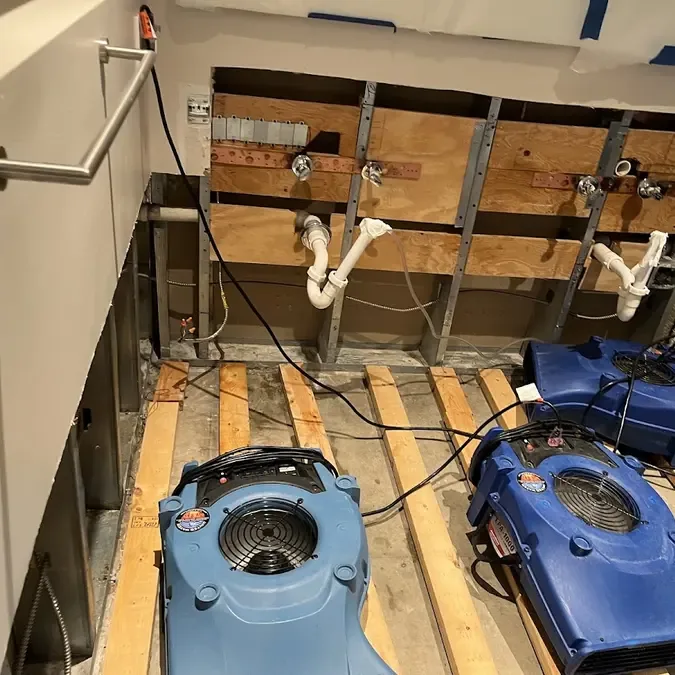
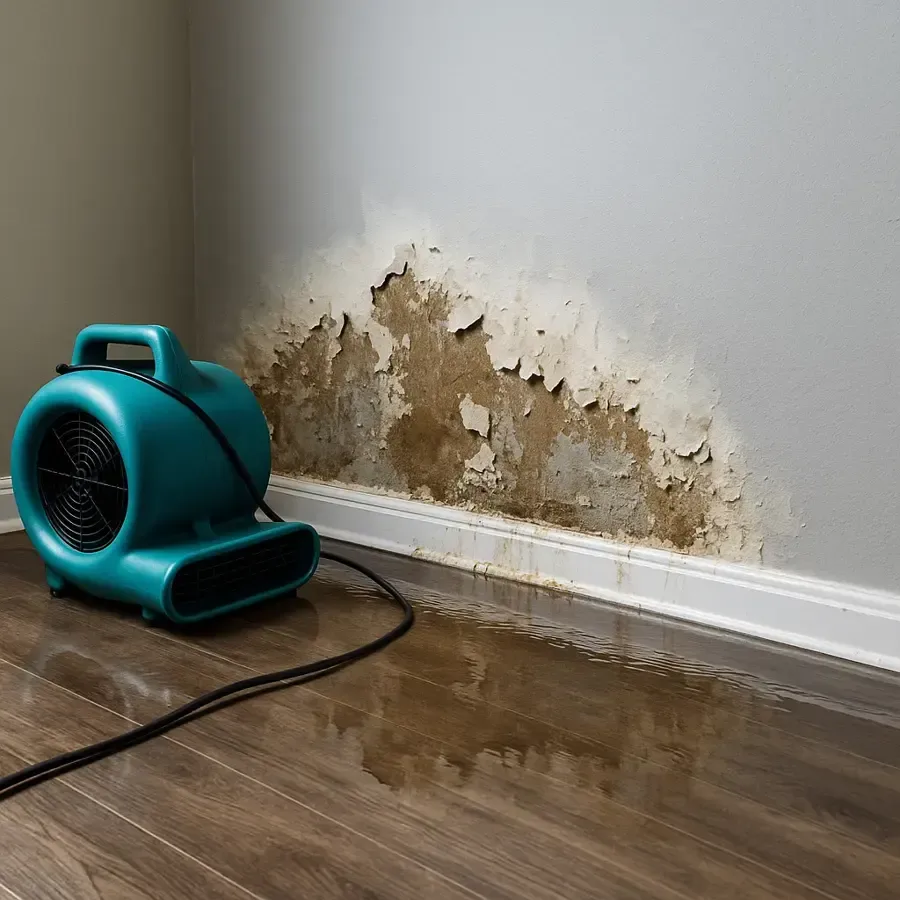
A room can look improved after extraction while its lower walls remain wet. A useful recovery plan identifies the water source, follows the spread through adjoining assemblies and explains which materials can stay. Written observations help connect the cleanup work with the repairs that follow.
Choose the problem that matches the damage
A leaking fixture, outdoor runoff and a wet ceiling need different approaches. These service pages explain what gets checked, removed and dried during recovery.
Water Extraction and Removal
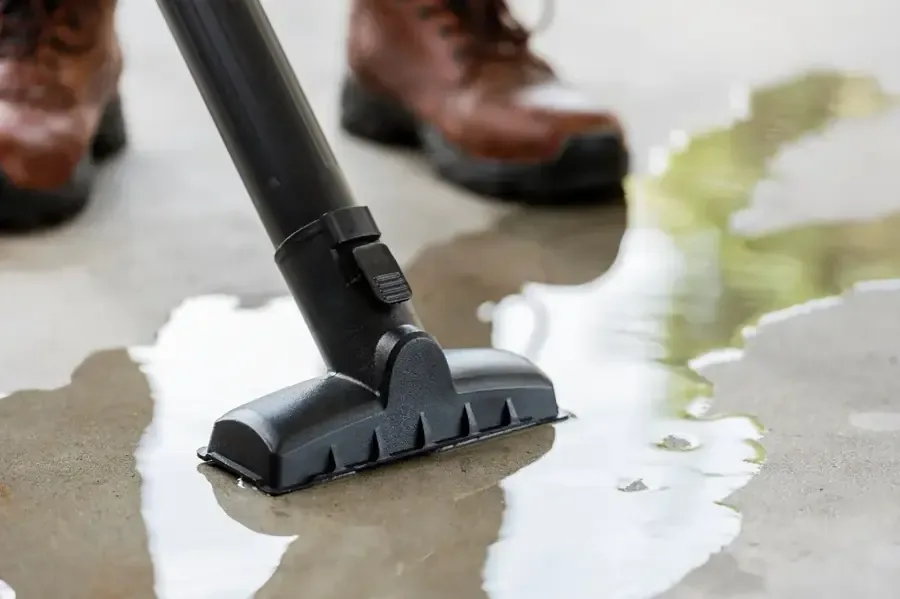
Standing water is removed while technicians map its path into adjacent building materials.
Service details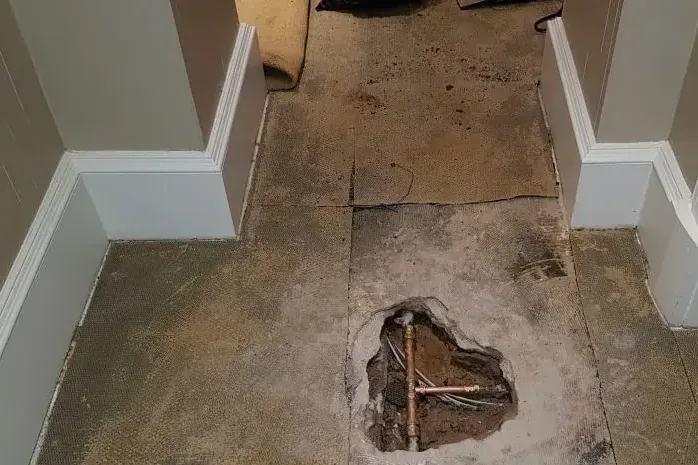
Slab Leak Water Damage
Damp floor edges need a plumbing assessment and inspection beneath affected surface finishes.
Service details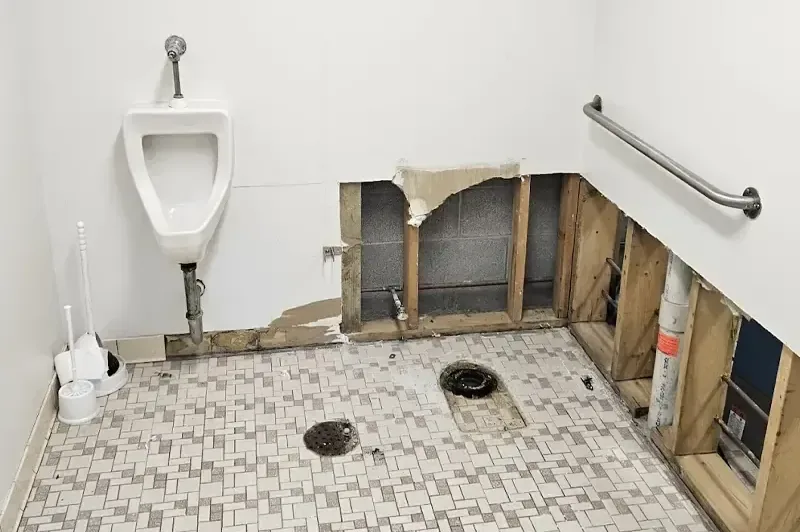
Sewage Backup Cleanup
Wastewater requires controlled access, removal of affected porous materials and careful surface cleaning.
Service details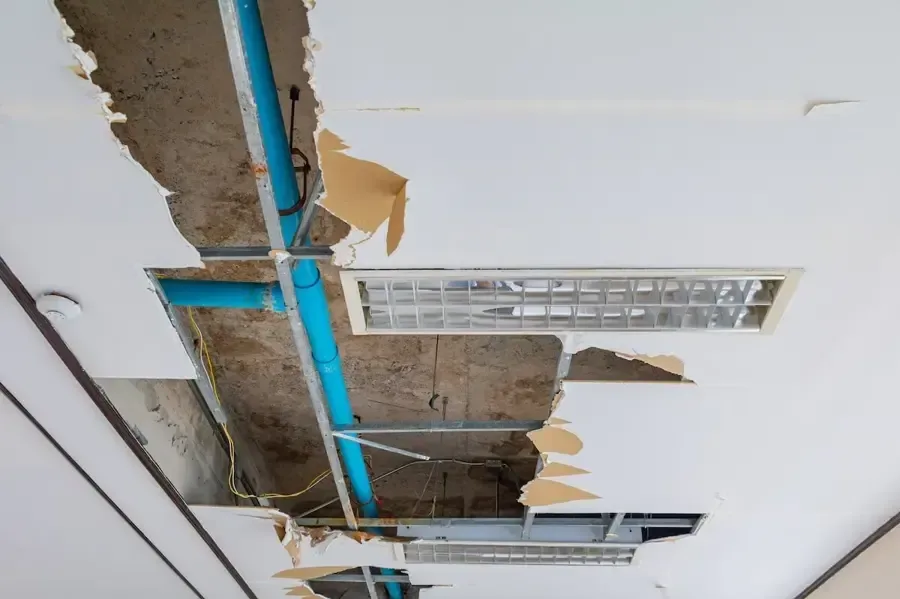
Burst Pipe Water Damage
After the supply stops, attention shifts to soaked cavities and connected rooms.
Service details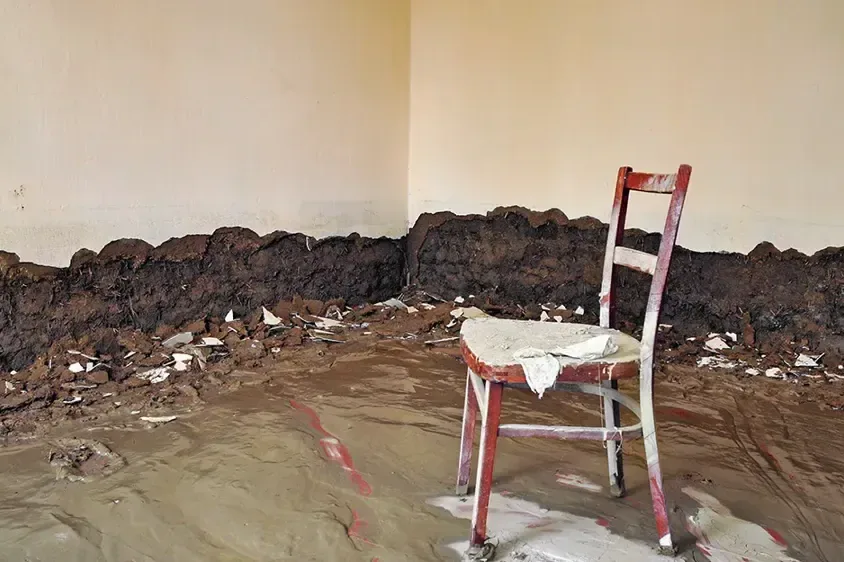
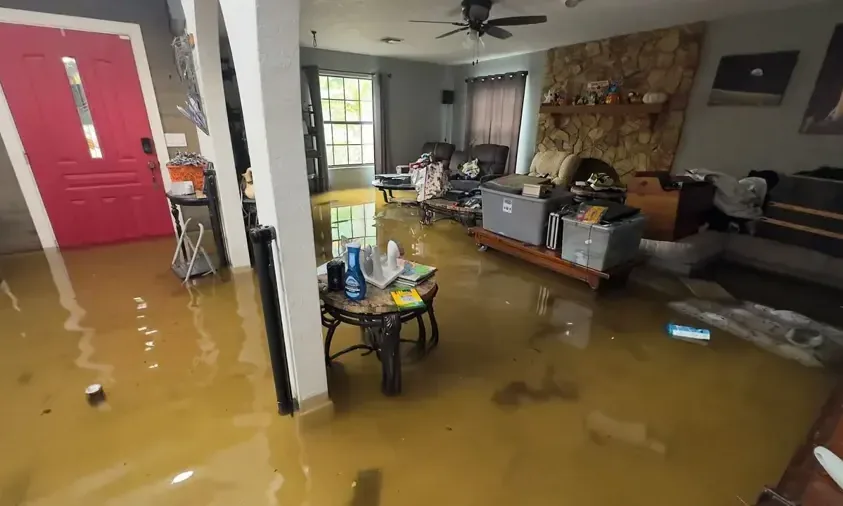
Storm Flood Cleanup
Outdoor water brings sediment indoors and changes decisions about flooring and wall recovery.
Service details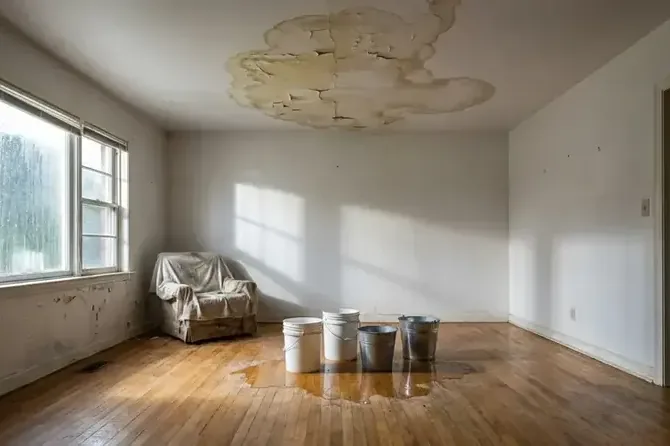
Roof Leak Water Damage
Rain entering overhead can leave wet insulation beyond the visible ceiling stain.
Service details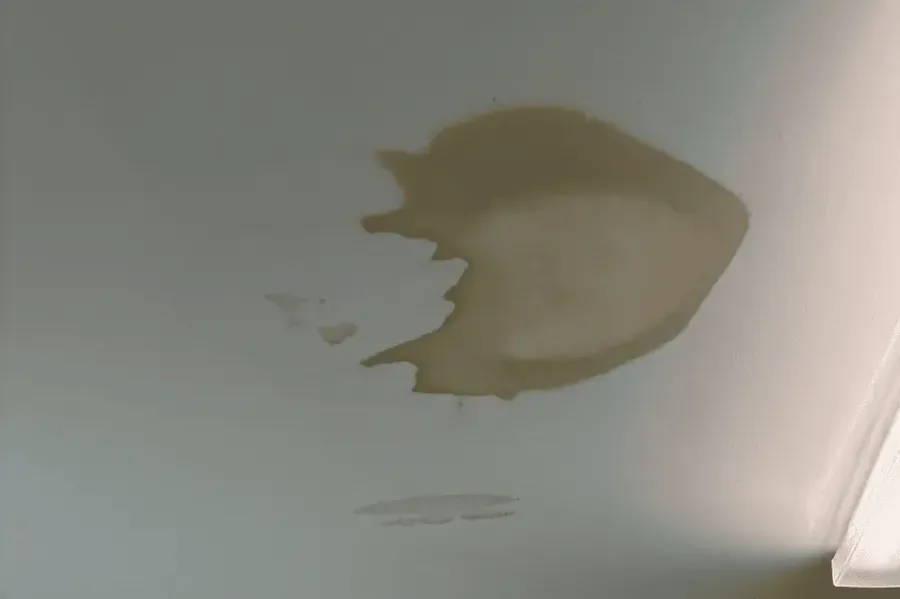
Ceiling Leak Water Damage
A sagging panel needs isolation before anyone investigates the cavity above it.
Service details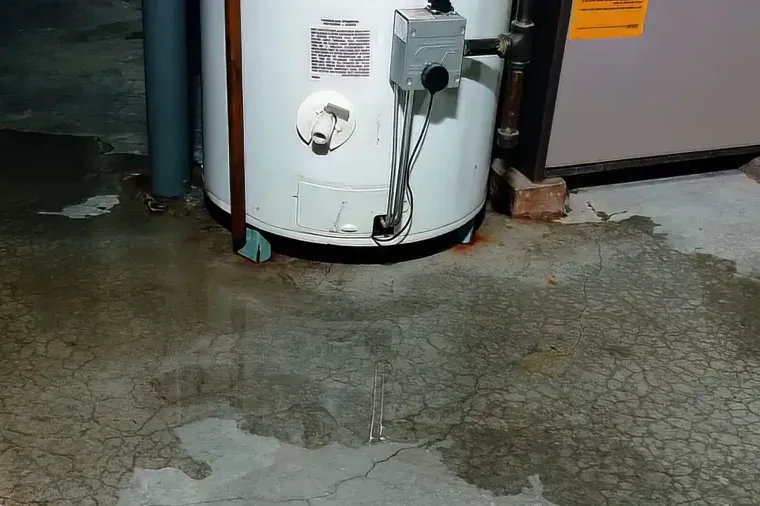
Water Heater Leak Cleanup
Water beneath a heater can reach closet walls and nearby flooring seams.
Service details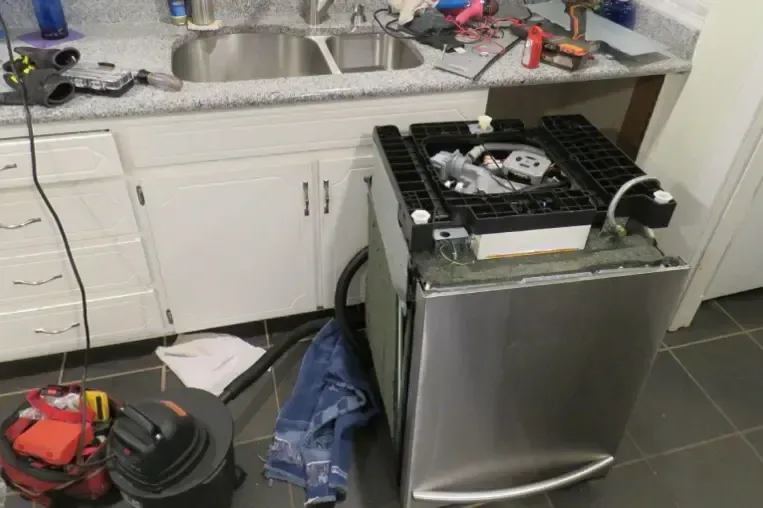
Appliance Leak Water Damage
Concealed cabinet spaces often need attention after a dishwasher or washer leak.
Service details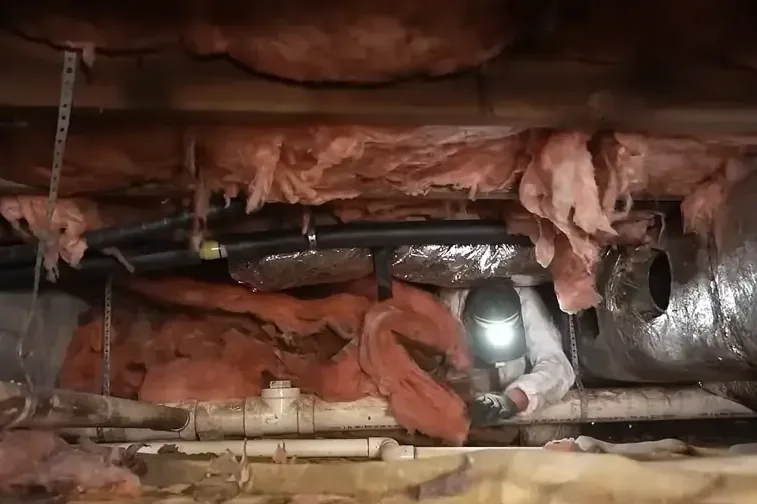
Crawl Space Water Removal
Underfloor pooling calls for access planning before pumping and inspecting exposed framing.
Service details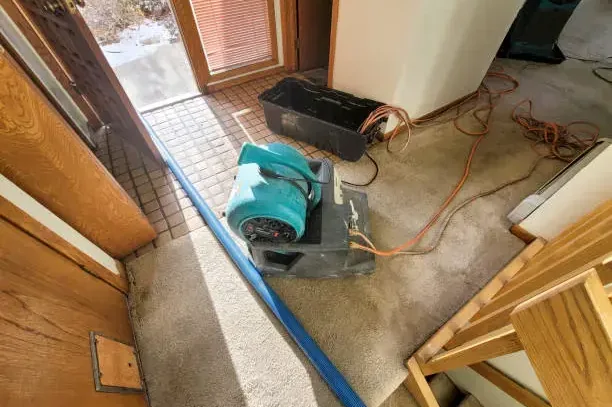
Structural Drying and Dehumidification
Moisture measurements determine whether assemblies are ready for the next repair stage.
Service details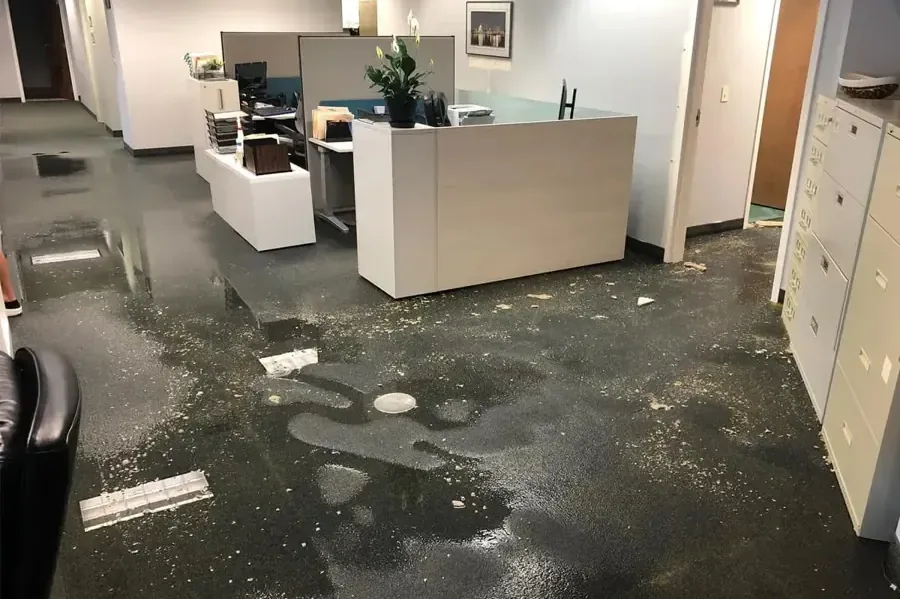
Commercial Water Damage
Business cleanup coordinates affected rooms, protected contents and safe paths through the building.
Service detailsFollow moisture through the building
Defined affected area
Readings at wet and apparently dry surfaces help establish a working boundary. Nearby rooms receive attention when flooring or wall cavities connect them.
Material decisions
Each affected finish needs a reason for retention or removal. Condition, water source and access all matter when selecting the next recovery task.
Visible progress
Repeated checks show whether drying is changing the materials themselves. Equipment placement can then respond to stubborn pockets instead of staying fixed throughout cleanup.
Clear handoff
Photographs, moisture notes and a description of remaining repairs give the property owner a usable record when arranging replacement finishes or discussing a claim.
Equipment selected around the moisture pattern
- Map the spread
Inspect visible damage and test neighboring surfaces. Mark the affected assemblies so followup checks can return to comparable locations during the drying process.
- Create safe access
Remove obstructing finishes only where needed for contamination removal, inspection or drying. Protect usable areas while the wet work zone is being opened.
- Adjust the setup
Position equipment around the actual moisture pattern. Change airflow or dehumidification when readings reveal slow areas, rather than relying on surface appearance alone.
- Review the endpoint
Compare final material readings with the selected drying target. Record unresolved source repairs and any reconstruction items before equipment is removed from the property.
What affects restoration costs in Castaic?
Budget ranges depend on how far water traveled, the materials involved and the work needed to reach hidden moisture. An inspection separates water removal, material disposal and drying from plumbing corrections or finish replacement so the written scope remains understandable.
Localized water damage
- Contained wet area
- Accessible surface removal
- Limited drying setup
Connected room damage
- Several affected spaces
- Selective finish removal
- Expanded moisture checks
Extensive assembly damage
- Multiple wet layers
- Complex access needs
- Broader recovery coordination
These planning ranges are estimates for cleanup scope. A written assessment should identify exclusions, disposal needs and any separate source repairs before the owner approves work.
Drying needs a defined finish point
Extraction, selective opening and humidity control serve different purposes. The work should connect those tasks to measured conditions, with clear notes about retained materials and the point at which repairs can proceed.
Keep the damage record usable
A claim discussion is easier with dated photographs and a clear scope. Coverage decisions belong to the policy provider, while cleanup records describe the observed damage.
- Photograph each affected room before removal
- Keep receipts for necessary emergency expenses
- Record when the water was first noticed
- Save the source repair assessment and invoice
- Request itemized cleanup and drying documentation
When paying for work directly
An owner arranging payment directly can request a staged estimate. Immediate stabilization, material removal and drying should each have a clear purpose and an understandable cost description.
Ask how additional hidden damage will be documented before the scope changes. Keep the original estimate alongside later approvals so the final invoice can be checked against completed work.
Match the cleanup to what entered
Supply water release
A supply leak still requires prompt attention. Water can travel through dirty cavities and damage materials even when its original source was clean.
Removal detailsUsed appliance water
Discharge from a washing cycle may carry residues into flooring layers. The appliance source and contacted materials shape cleaning and removal decisions.
Appliance recoverySewage intrusion
A drain backup needs a restricted work area. Affected absorbent finishes are evaluated for removal before cleaned surfaces proceed into the drying stage.
Wastewater responseReduce exposure while the scope becomes clear
- Keep the doorway clear
Children and pets should remain outside the affected room. Avoid walking through water to retrieve belongings or reach a switch near wet surfaces.
- Stop an accessible supply
A familiar shutoff can limit a plumbing release when reached safely. Uncertain valves, electrical exposure or an unstable ceiling require qualified help before entry.
- Record the visible change
Photograph the room from a dry location. Note the discovery time, active drips and any fixture use that happened before water became visible.
- Separate dry possessions
Move reachable dry items away from the wet boundary. Leave heavy furniture, connected appliances and saturated ceiling materials for an assessed removal plan.
- Describe the source clearly
Mention sewage, rain entry or an unresolved supply leak when requesting service. Those details affect access precautions, equipment selection and the initial cleanup sequence.
Share the property details before a visit
Castaic is an unincorporated community in Los Angeles County. The property location, entry arrangements and affected rooms help shape a useful conversation about access and cleanup needs.
Mention locked gates, stairs or restricted utility areas when describing the job. A clear description helps prepare for the building itself, including any rooms that cannot be entered safely.
Castaic, CA · [email protected]
Service for Castaic properties
Areas and access references
Location ZIP reference
Other service areas
Local context, property specific decisions
Castaic Creek, Castaic Lagoon and nearby recreation areas are part of the community setting. Inside a damaged property, the entry route and affected materials determine the cleanup plan.
September 26, 2001: A state record received on this date described proposed management of creek storm waters, including retention at the lagoon for recreation and transfers for residential and municipal demands.
- Water crossing a threshold
Outdoor entry can carry soil into floor seams and wall bottoms. Cleanup planning needs the actual entry point, deposited debris and depth of affected materials.
- Hidden interior travel
A leak discovered in Live Oak may extend past the visible puddle. Shared floor layers and enclosed wall spaces deserve inspection before drying equipment is positioned.
- Overhead warning signs
A stained ceiling in Meadowood calls for source tracing. The inspection distinguishes an upstairs fixture problem from roof entry before interior repairs are selected.
- Access beneath finishes
At a property in Hillcrest Park, construction details determine which spaces can be inspected. The plan follows the actual floor assembly and available access points.
- Unresolved source problems
A room near Hasley Canyon Park still needs its own source assessment. Repeated wetting can undermine completed drying, so repair coordination belongs in the recovery plan.
Questions before cleanup begins
Uncertain how far water spread?
Describe visible water, affected rooms and any unsafe areas to begin a focused discussion about the next practical step.
(888) 774-9605Discuss the damage boundaryCan a dry floor hide wet materials?
Yes. A surface can lose its shine while moisture remains underneath a covering or inside an adjacent wall. Checks should follow the likely travel path and include retained layers before the owner schedules finish repairs or moves furniture back.
What information helps during the first conversation?
Describe whether water is still arriving, where it appeared and which rooms look affected. Mention sewage, ceiling movement or electrical concerns immediately. Photos taken from a safe location can clarify the situation without requiring anyone to enter a hazardous room.
Does every wet material have to be removed?
Removal depends on water condition, physical damage and access for drying. Sound materials exposed to a suitable source may be retained when they can be cleaned and dried. Swollen, contaminated or inaccessible layers can require a different decision after inspection.
Is Castaic an incorporated city?
Castaic is an unincorporated community in Los Angeles County. The Castaic Area Town Council is a volunteer advisory board. For a restoration visit, the specific property location and access instructions remain more useful than a broad community description alone.
Should the water source be repaired first?
An active source needs control before sustained drying can succeed. Cleanup and source repair may require separate trades working in coordination. The scope should explain who handles the leak correction and how the affected area will be protected during that work.
Can occupants use the affected room during drying?
That depends on the water source, exposed materials, electrical safety and equipment layout. A separated room may need restricted access. Occupants should receive clear instructions about safe routes, equipment clearance and which belongings can be retrieved without disturbing the work.
Will cleanup include replacement flooring and paint?
An estimate should identify whether reconstruction is included or arranged separately. Water removal and drying prepare materials for the next stage but do not automatically include new finishes. Confirm the repair handoff and any remaining openings before approving the final scope.
How can an owner track drying progress?
Ask for comparable readings at marked locations and an explanation of the drying target. Room humidity helps describe conditions, but material readings show what is happening inside the affected assembly. Progress records should explain any changes to equipment placement or access.
Is a claim approval required before calling?
An owner can discuss stabilization needs while contacting the policy provider about coverage. Keep photographs, estimates and receipts organized. Approval of a claim and responsibility for payment depend on the policy and agreement, so those questions need direct confirmation before work expands.
Make the next cleanup decision with clarity
A description of the source, wet rooms and access concerns can turn an uncertain situation into a practical assessment.
(888) 774-9605Talk through the affected rooms