Stevenson Ranch Water Damage Restoration
A spreading puddle changes the use of a room quickly. Restoration in Stevenson Ranch starts with the source, the surfaces already wet and a practical route toward safe, dry living spaces.
(888) 774-9605Discuss the wet roomsProperty details help shape the response, including access, active leakage and any rooms that cannot be entered safely.
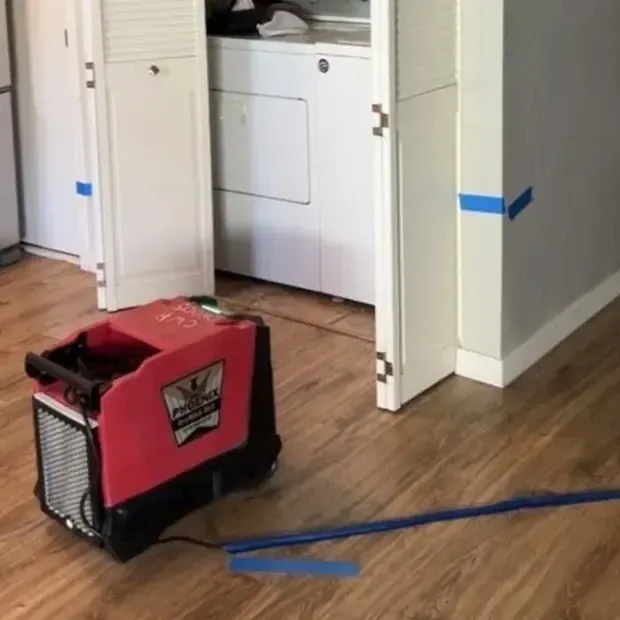
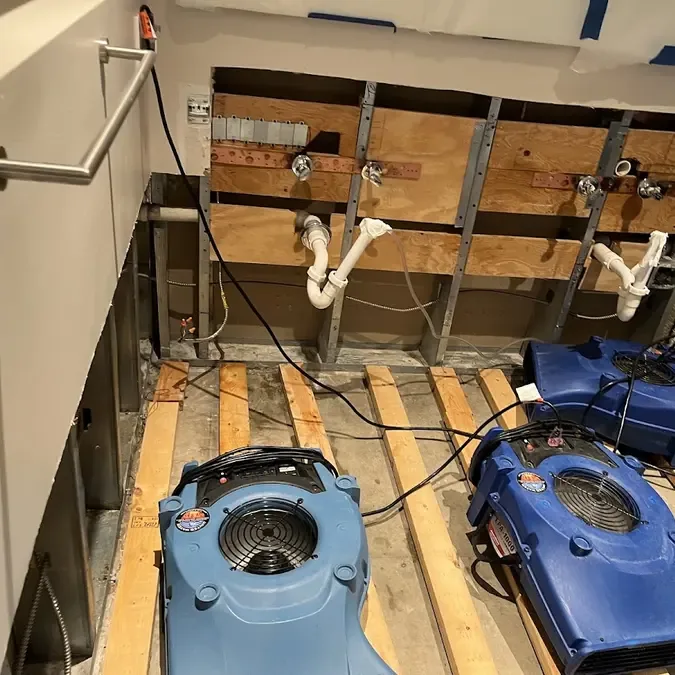
Follow moisture beyond the obvious puddle
A room may look improved after extraction while the wall base remains wet. Restoration should connect visible damage with measured conditions, explain which materials can stay and record why others need removal. That makes each next step easier for the property contact to understand and approve.
Different water sources need different cleanup decisions
The visible spill is only part of the job. Choose the service that matches the source or affected area, then describe where moisture has traveled.
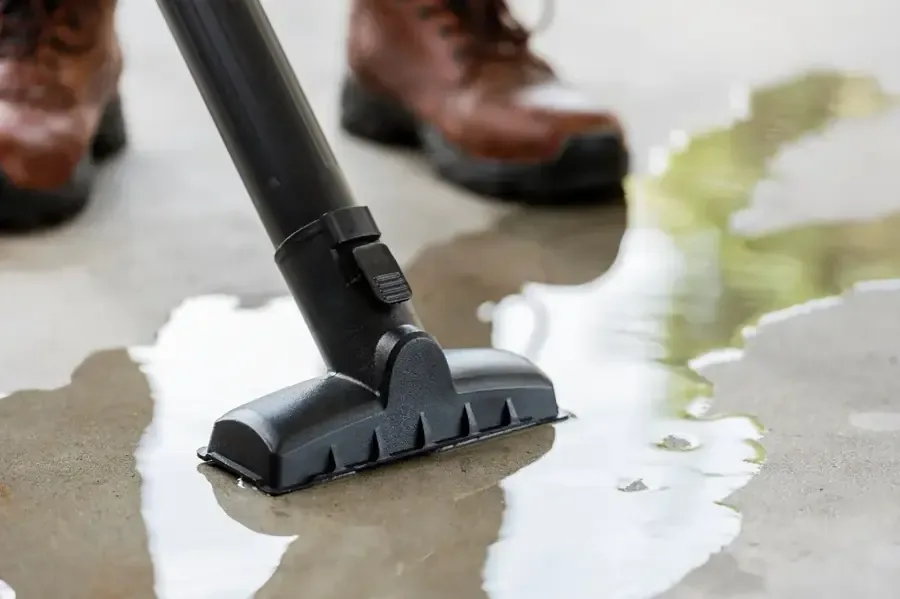
Water Extraction and Removal
Pooling water needs removal before moisture beneath nearby finishes can be mapped and dried.
Service details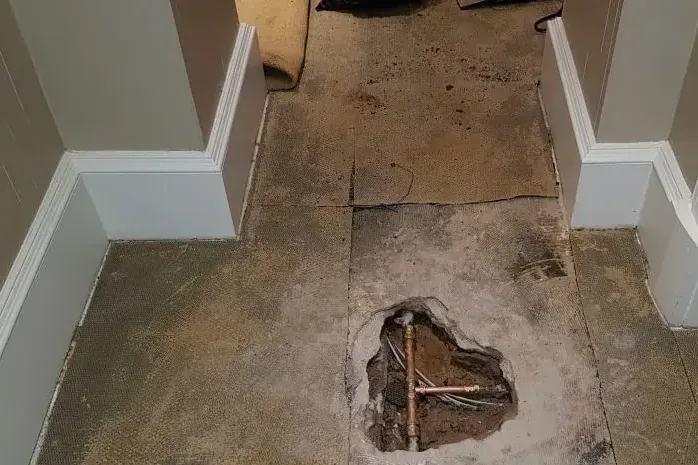
Slab Leak Water Damage
A diagnosed leak beneath concrete calls for coordinated pipe repairs and careful floor recovery.
Service details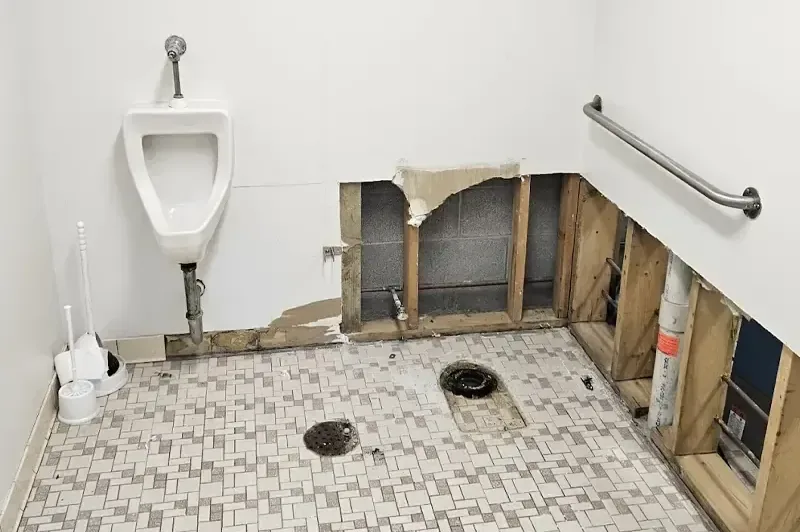
Sewage Backup Cleanup
Wastewater changes material handling, room access and the cleaning needed before drying can proceed.
Service details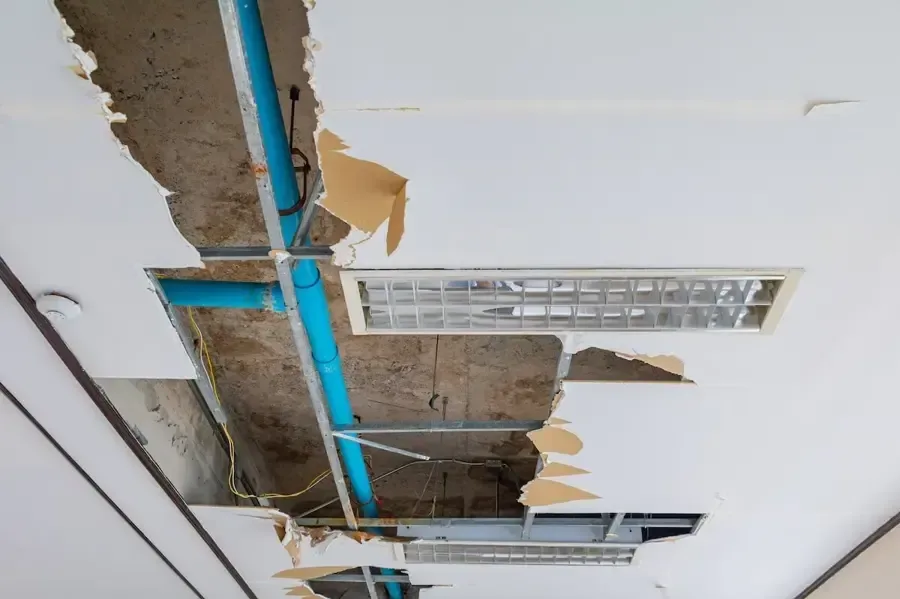
Burst Pipe Water Damage
Pressurized water can reach wall cavities beyond the first room where the break appears.
Service details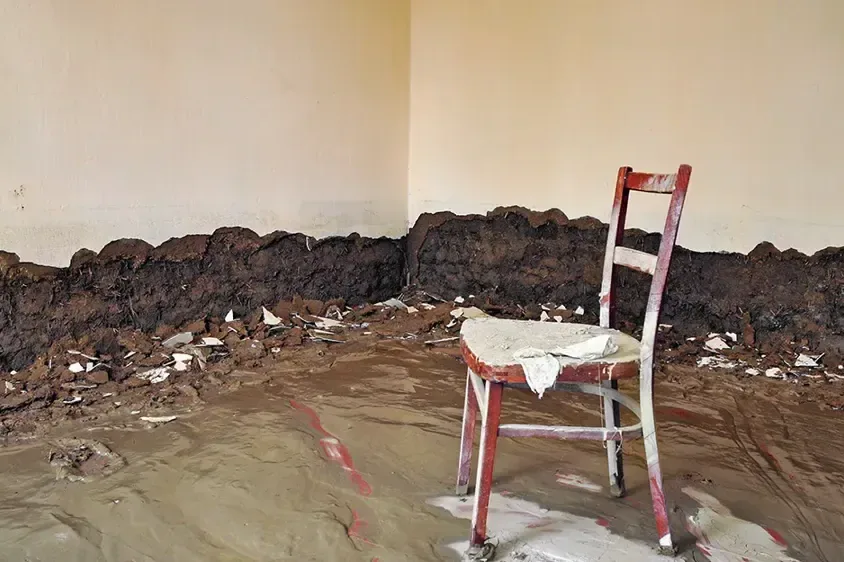
Storm Flood Cleanup
Outdoor water brings debris inside and requires attention to entry points and affected layers.
Service details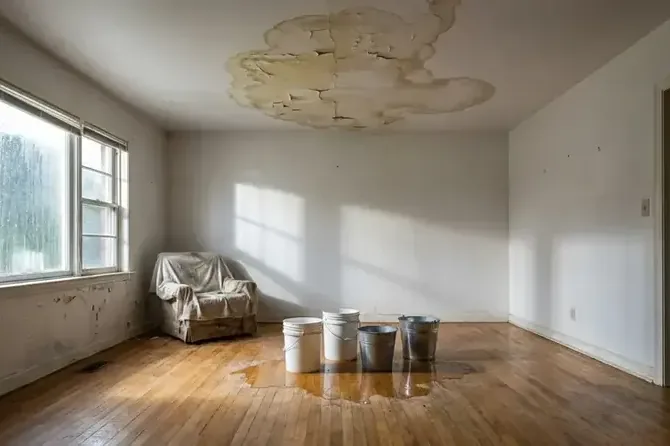
Roof Leak Water Damage
Roof entry can wet insulation and ceilings along a path above the visible stain.
Service details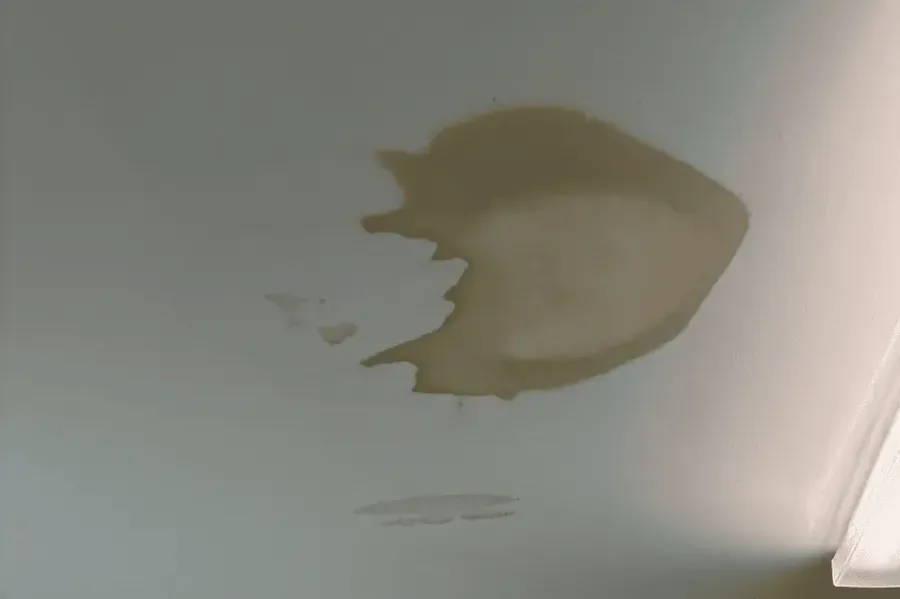
Ceiling Leak Water Damage
A dripping overhead surface needs source tracing and a check of the cavity above.
Service details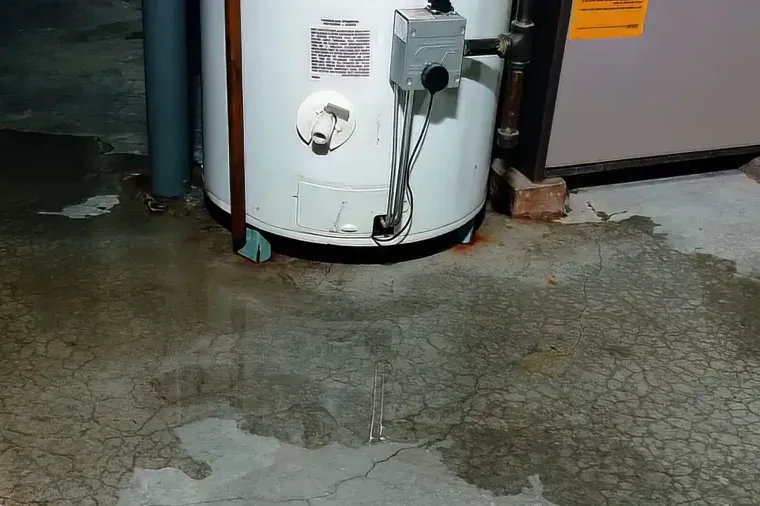
Water Heater Leak Cleanup
Water around the heater can spread under adjacent trim while equipment repairs are arranged.
Service details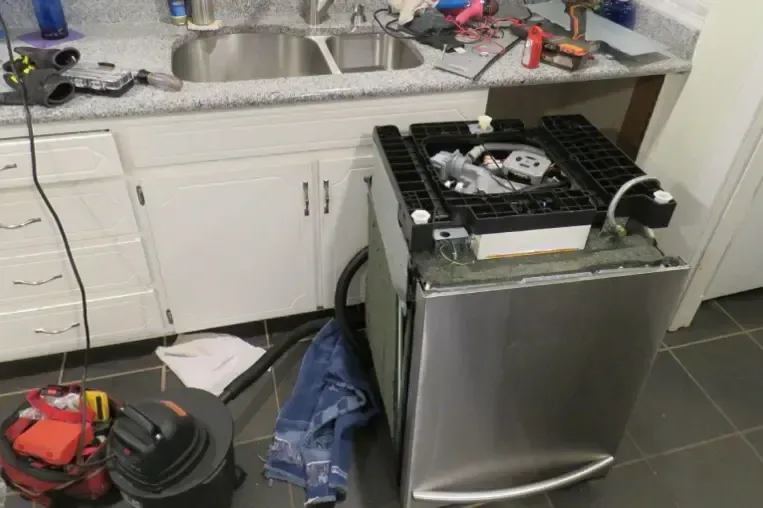
Appliance Leak Water Damage
A wet kitchen or laundry floor may conceal moisture beneath cabinets and connected finishes.
Service details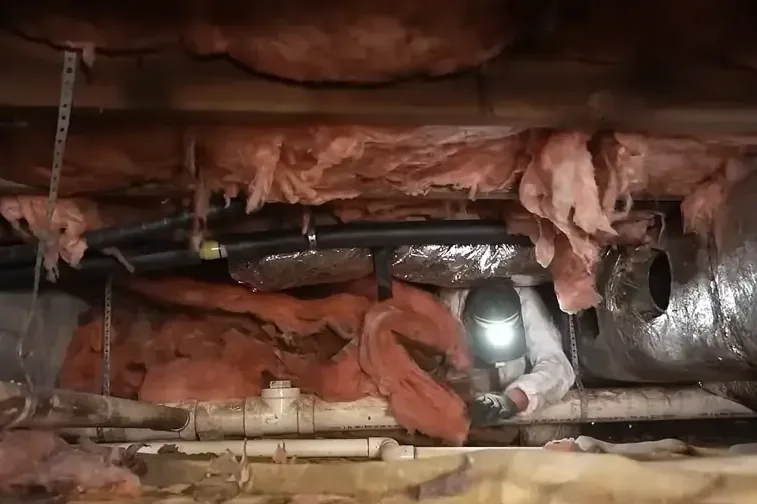
Crawl Space Water Removal
Underfloor pooling requires safe access, controlled removal and inspection of exposed framing and insulation.
Service details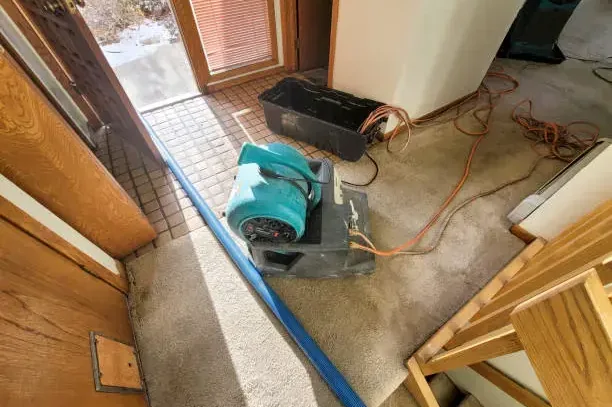
Structural Drying and Dehumidification
Material readings show whether drying reaches the deeper layers that a dry surface hides.
Service details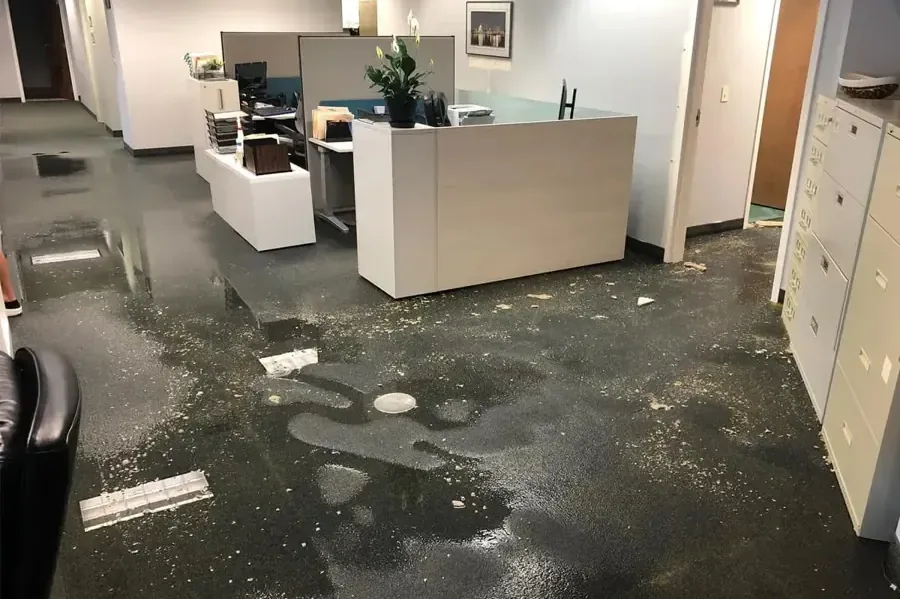
Commercial Water Damage
Business recovery pairs wet-area cleanup with access planning for staff, equipment and customer routes.
Service detailsFollow moisture beyond the obvious puddle
Source and spread
The inspection separates the point of entry from the full wet footprint. Water beneath a threshold can require attention even when the next room looks unaffected.
Material decisions
Solid finishes, absorbent backing and enclosed insulation respond differently. The work description should identify the affected layers and explain which ones need exposure, cleaning or replacement.
Practical access
Equipment placement must leave usable routes where conditions allow. Occupants need clear boundaries around cords, hoses, open cavities and rooms that remain out of service.
Recorded progress
Repeat measurements connect the starting condition to the final assessment. Photographs and written updates help the owner follow changes without relying only on appearance.
Equipment selected for the affected materials
- Locate
An initial inspection follows the water path through accessible surfaces and adjoining spaces, then records wet materials that need further testing or opening.
- Remove
Extraction reduces standing water while damaged materials are evaluated. Necessary removal gives cleaning and drying access to layers that sealed finishes would otherwise conceal.
- Dry
Air movement and dehumidification work together within the affected area. Equipment adjustments follow material readings and room conditions rather than the calendar alone.
- Assess
The closing assessment compares final readings with the drying goals and identifies repair needs. Open cavities remain accessible until the moisture condition supports rebuilding.
What affects restoration cost in Stevenson Ranch?
The footprint of wet material matters more than the size of the visible puddle. Access, contamination, demolition and the number of connected assemblies shape the estimate. The ranges below provide planning context for cleanup and drying, with repairs described separately.
A contained loss
- Accessible water removal
- Limited wet finishes
- Focused equipment placement
Connected wet spaces
- Several affected rooms
- Selective cavity access
- Documented drying visits
Extensive material contact
- Broader removal needs
- Complex moisture paths
- Expanded cleaning scope
A written scope should separate emergency work, ongoing drying and finish repairs. Additional wet layers discovered during access may change the estimate and should be explained before work expands.
Each stage should answer a practical question
Restoration progresses when the source is controlled, the wet materials are accessible and measurements show improvement. The property contact should know what work is happening, why equipment remains and what must be resolved before finishes return.
Document damage while conditions are visible
A useful claim record connects the discovery, the water source and the work performed. The insurer assesses policy coverage; the cleanup documentation describes the property conditions.
- Photographs showing the initial water spread
- Notes recording when leakage was discovered
- A list of affected household belongings
- The plumber's source diagnosis and repair
- Itemized cleanup estimates and drying records
When payment comes directly
Owners paying directly can request a staged estimate that identifies the urgent work first. Extraction and necessary access should have a clear scope before optional finish upgrades enter the discussion.
Keeping receipts and measurement records remains useful even without a claim. Those documents explain which areas were treated and help a later repair contractor understand the condition of exposed materials.
Water conditions determine the handling
Fresh supply release
A newly discovered supply spill needs prompt removal and an assessment of the surfaces it contacted, especially where water has disappeared under floor coverings.
Explore water removalAppliance discharge
A leaking appliance can release water carrying residues from its operation. The cleanup plan considers both the source and the hidden layers beneath the equipment.
Inspect appliance damageSewage intrusion
A wastewater backup requires restricted access and careful separation of contaminated materials. Cleaning and removal decisions come before ordinary room drying and reconstruction work.
Explore sewage recoverySmall decisions can keep the situation manageable
- Leave unsafe rooms alone
Standing water near electrical equipment, loose overhead material or sewage calls for a clear boundary. People and pets should remain outside the affected area.
- Identify an accessible shutoff
For a supply leak, an accessible valve may stop additional water. Nobody should cross a wet electrical area or disturb damaged equipment to reach it.
- Preserve the first observations
Photos from a safe doorway can record water spread and damaged belongings. A written timeline helps distinguish initial conditions from later cleanup work.
- Notify the responsible property contact
Tenants should contact the property manager promptly. In a condominium, the association may need to coordinate access when moisture reaches an adjoining assembly or unit.
- Describe access when requesting help
Mention locked gates, occupied rooms and any active dripping. Clear entry details let the assessment begin with the affected space and its immediate safety concerns.
Explain the property before the visit
Stevenson Ranch is an unincorporated community in Los Angeles County. The Old Road connects Westridge and the central and southern part of the community, helping describe the location of a property.
For the assessment, the useful details are the affected room, access arrangements and whether water continues to enter. Apartment and condominium contacts should also identify who can authorize entry into adjoining spaces.
Stevenson Ranch, CA · [email protected]
Stevenson Ranch and Westridge
Useful location details
Local ZIP
Nearby service pages
Local setting, individual building decisions
The community's homes and shopping areas include different layouts and access needs. Recovery starts with the affected property, whether the problem is a single fixture or water spreading through connected spaces.
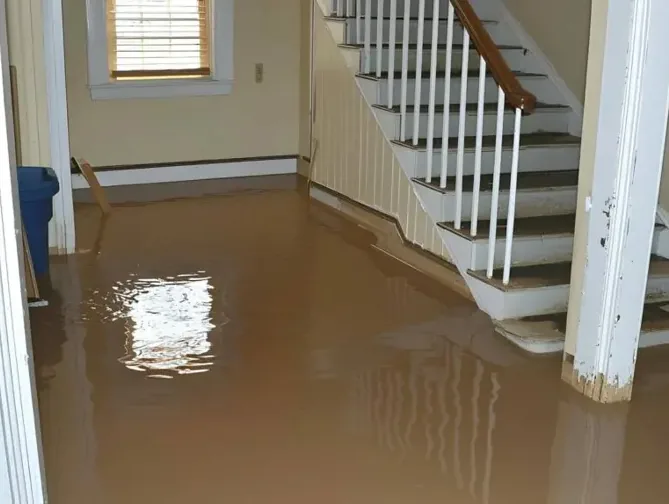
October 1, 2015: A water main broke at Stevenson Ranch Parkway and Pico Canyon Road. Water flowed down streets for more than four hours, and Valencia Water Company responded.
- Different dwelling layouts
The initially approved development included houses, condominiums and apartments. Shared access and adjoining spaces can matter when tracing water, so the inspection should identify the actual layout.
- Northern community access
Westridge occupies the northern portion of the census-designated place. Property contacts there should describe entry arrangements and affected rooms as clearly as contacts elsewhere in the community.
- Retail spaces
Valencia Marketplace provides commercial context alongside residential properties. A business water loss calls for separation of the work area from stock, staff routes and any remaining customer access.
- Overhead moisture
Dripping ceilings deserve attention above the stained finish. A source in an upper room or roof assembly can leave wet layers that need inspection before cosmetic repairs begin.
- Hidden floor edges
Water reaching cabinets and wall bases can remain beneath finishes after puddles disappear. The assessment should follow adjoining materials and record where the moisture path ends.
Questions before restoration starts
Unsure which service fits?
Describe the water source, the affected room and any safety concerns so the first assessment can focus on the problem.
(888) 774-9605Talk through the property damageWhat information helps with the first call?
The most useful details are when water appeared, whether it is still entering and which rooms are affected. The property contact should also mention sewage, electrical hazards, a sagging ceiling or access restrictions so the assessment can begin appropriately.
Does a dry floor mean the job is finished?
Surface appearance cannot show every layer beneath a floor or behind trim. Measurements at the wet boundary and in adjoining materials help determine whether drying is complete. A final assessment should address hidden areas identified during the initial inspection.
Can occupants stay during the work?
That depends on safe access, the water condition and the rooms required for daily use. Equipment, open cavities or contamination may make part of the property unsuitable for occupancy. The assessment should identify those restrictions before the work area is established.
Who should report damage in a rental?
A tenant should notify the property manager promptly and document visible conditions from a safe location. The manager can arrange authorization and access. When adjacent rooms or units may be affected, coordinated inspection helps identify the full extent of the water path.
Is plumbing repair part of drying?
Source repair and material recovery solve different problems. A plumber handles the defective supply or drain component, while the restoration scope addresses water removal, cleaning and drying. Both tasks need coordination so repaired finishes are not exposed to another active leak.
Will every wet material need replacement?
The decision depends on contamination, material condition and access for effective drying. Some materials can remain after treatment, while damaged or contaminated absorbent layers may need removal. The estimate should identify those decisions by location instead of treating the entire room alike.
What records are useful for insurance?
Photos, the discovery timeline, the source repair record and itemized work documentation help describe the loss. Drying measurements provide additional detail about recovery. Coverage and payment are determined by the insurer under the policy, so the property owner should discuss those separately.
How is the completion date established?
Drying duration follows the materials and their readings, not a fixed promise. Enclosed layers may require access before meaningful progress begins. Updates should explain what remains wet, what changed since the previous inspection and which conditions must be met before equipment removal.
Does service include commercial properties?
Commercial assessments account for stock, equipment and business access as well as wet construction materials. The responsible manager should identify restricted rooms and operational priorities. A clear work boundary helps organize cleanup while the property team evaluates safe use of unaffected areas.
Turn the first observations into a recovery plan
A description of the affected rooms helps establish the next inspection, removal and drying decisions for the property.
(888) 774-9605Discuss property recovery options