Structural Drying in Castaic
The end of visible water marks the start of another question: what remains inside the building materials? Structural drying uses access, controlled conditions and repeated readings to answer that question before repairs.
(888) 774-9605Discuss retained material moisture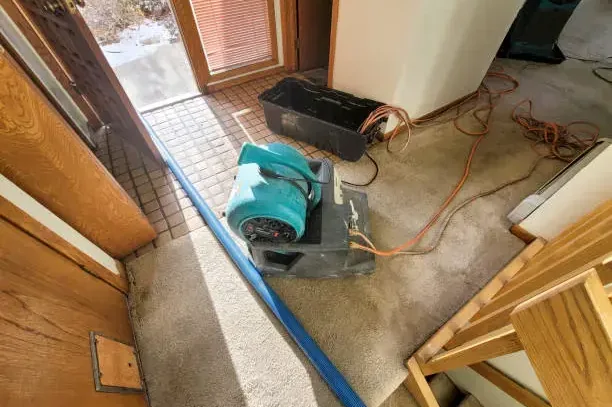
The essentials of structural drying and dehumidification
Readings comparable
Recorded material locations allow repeat checks to show meaningful change at the same parts of the affected assembly.
Access purposeful
Openings support the drying path where concealed moisture needs exposure, with each change linked to the material findings.
Equipment responsive
Airflow and humidity control are adjusted as conditions change, keeping attention on areas that recover more slowly than neighboring surfaces.
Endpoint documented
Material results and remaining work are carried into the repair handoff so replacement finishes follow the completed drying scope.
What to do after structural drying and dehumidification
- Share the water removal history
Describe the source, the rooms affected and any extraction or material removal already completed. Mention areas that were never opened so the assessment can account for hidden moisture.
- Keep the source repair status clear
Explain whether the leak is corrected or only temporarily controlled. Additional water input changes the drying plan, so unfinished plumbing or exterior repair work must remain visible in the discussion.
- Maintain the planned equipment arrangement
Avoid unplugging or relocating drying equipment without discussing the effect on the setup. Keep access paths clear so technicians can revisit marked materials and inspect connected surfaces safely.
- Ask about the intended endpoint
Request an explanation of the materials being tracked and the criteria for completing their drying. Keep that information with the work record before scheduling replacement finishes or closure of openings.
What does structural drying and dehumidification cost in Castaic, CA?
Structural drying costs in Castaic reflect the extent and density of wet materials, access needs and equipment arrangement. A written scope should explain monitoring and adjustments, with replacement finishes and unfinished source repairs distinguished from the drying work itself.
Limited exposed materials
$1,000 to $2,500
- Accessible wet surfaces
- Focused equipment setup
- Comparable moisture readings
Several wet assemblies
$2,500 to $5,000
- Connected material checks
- Expanded humidity control
- Selective access changes
Dense or extensive loss
$5,000 to $10,000
- Complex retained layers
- Broader equipment arrangement
- Detailed repair coordination
Category, wet square footage, material class and delay before drying affect the scope. These are typical ranges, not a quote. Compare inputs in the water damage cost calculator.
How structural drying and dehumidification progresses
Build the initial material moisture map
Inspection identifies retained assemblies and records material readings. Reference conditions and source status establish a target for those materials rather than the appearance of the room.
Create access and set drying conditions
Necessary openings expose trapped moisture while unsuitable materials are removed. Air movement and dehumidification are arranged around the accessible assembly, with attention to safe equipment placement and the areas occupants still need to use.
Measure progress and adjust the approach
Repeat checks return to recorded locations so changes can be compared. A slow recovering edge may require different airflow, more access or another look at the source instead of simply extending an unchanged setup.
Document the endpoint for repair planning
The completion assessment records retained material conditions and identifies any remaining work outside the drying scope. Those findings support the handoff to contractors preparing wall closure, flooring installation or other replacement finishes after recovery.
A room can feel comfortable while a floor edge or wall cavity remains damp. Structural drying in Castaic addresses that difference through material measurements and controlled drying conditions. Parker Ranch appears in the community's subdivision history, while an inspection of the present property establishes the framing, finishes and access relevant to its current water damage.
Choose measurement locations that answer useful questions
A single reading at the center of a wall rarely describes an entire wet assembly. Checks should follow the water path, include affected edges and compare useful reference locations. At a Hillcrest Park property, the assessor identifies the actual layers involved before selecting targets. Dense flooring, exposed framing and a thin finish can respond differently during the same recovery period.
Recording locations makes later checks meaningful. A lower number at a different spot may not describe improvement at the original wet area. The drying record should connect each observation to a material and position so decisions about equipment or access follow changes in the building itself.
Use equipment to support an exposed drying path
Air movement promotes evaporation at reachable surfaces, while dehumidification controls moisture in the surrounding air. Neither task can compensate for an active leak or a sealed pocket that remains inaccessible. Selective openings may be required to expose wet materials. The scope should explain that access before the owner assumes equipment placement alone will resolve every layer.
- Confirm that the source no longer adds water to the affected assembly.
- Remove unsuitable materials that obstruct inspection or the intended drying path.
- Check concealed edges when exposed surfaces improve faster than adjoining areas.
- Adjust the equipment layout when recorded progress reveals a slow recovering location.
Repair planning becomes clearer when the condition of retained materials is documented. Describe the release, completed removal work and enclosed surfaces to discuss the drying scope and its endpoint.
(888) 774-9605Discuss the material drying targetDefine repair readiness before equipment removal
In NorthLake, the finish contractor needs a clear account of the materials that remain and their condition. Drying targets should be appropriate to those materials, with results reviewed before replacement surfaces conceal them. The Castaic service hub connects drying with the source specific cleanup that may have preceded it.
The completion record should identify the drying endpoint, remaining source repairs and any surfaces awaiting reconstruction. A flooring installer may need additional checks for a selected replacement product. Explaining that handoff helps separate a completed restoration drying scope from later installation requirements, giving each contractor useful information about the assembly that will receive new finishes.
Safe access comes first
The response team keeps people away from wet electrical equipment and unstable ceilings. Occupants avoid entering contaminated water or disturbing soaked materials. Source isolation and safe access come before fans, cleaning or demolition, and the restoration assessment records those limits before work starts.
Structural drying and dehumidification around Castaic
Drying assessments include Parker Ranch, Hillcrest Park and NorthLake properties, with attention to present building assemblies, prior cleanup work and access for repeat material measurements.
The same service nearby: structural drying and dehumidification in Newhall, Valencia, Stevenson Ranch.
Related water damage services in Castaic
Structural Drying and Dehumidification questions in Castaic, CA
Questions before work begins
Repair planning becomes clearer when the condition of retained materials is documented. Describe the release, completed removal work and enclosed surfaces to discuss the drying scope and its endpoint.
(888) 774-9605Discuss the material drying targetCan room humidity show that a wall is dry?
Humidity describes the surrounding air, while the wall itself needs material assessment. A room can have controlled air conditions and still contain a damp cavity or dense substrate. Useful drying records connect environmental conditions with readings from the retained building materials at selected locations.
Why are repeat readings taken at marked spots?
Comparable locations make the progress record meaningful. A different material or position may produce a different reading even when the original wet area has not improved. Marked checks help show the actual response and support decisions about changing equipment placement or opening additional access.
Does more airflow always solve slow drying?
Airflow helps reachable surfaces release moisture, but it cannot correct ongoing water input or expose a sealed wet layer. Slow progress may require source reassessment or better access. Equipment changes should follow the material findings rather than assuming additional fans answer every drying problem.
Should equipment be turned off overnight?
The drying arrangement depends on continued operation as planned, unless a safety issue requires immediate attention. Discuss noise, access or other concerns with the service provider before changing the setup. Unplanned interruptions can alter the conditions used to evaluate progress at the next material check.
What determines when the equipment can leave?
The endpoint depends on the retained materials and their selected drying targets. Final checks should show that those conditions have been reached, with any limitations explained. Material checks reveal retained moisture that a dry feeling surface can conceal.
Can new flooring require checks after restoration drying?
Yes. The installer must consider the selected product and substrate requirements before covering the floor. Restoration records provide useful information about the affected assembly, but the installation decision can involve additional preparation or testing. Keeping those responsibilities clear helps coordinate the final repair stage.
Connect equipment decisions to measured changes in the building
Keep source repair records and prior moisture notes available so the assessment can focus on unresolved areas and the requirements for the next repair stage.
(888) 774-9605Assess drying progress needs