Commercial Water Damage in Newhall, CA
Newhall restoration teams assess wet business spaces, separate work zones and document extraction and drying around building access needs. Commercial water-loss dispatch operates 24/7, with scope based on site conditions.
(888) 774-9605Map the business water loss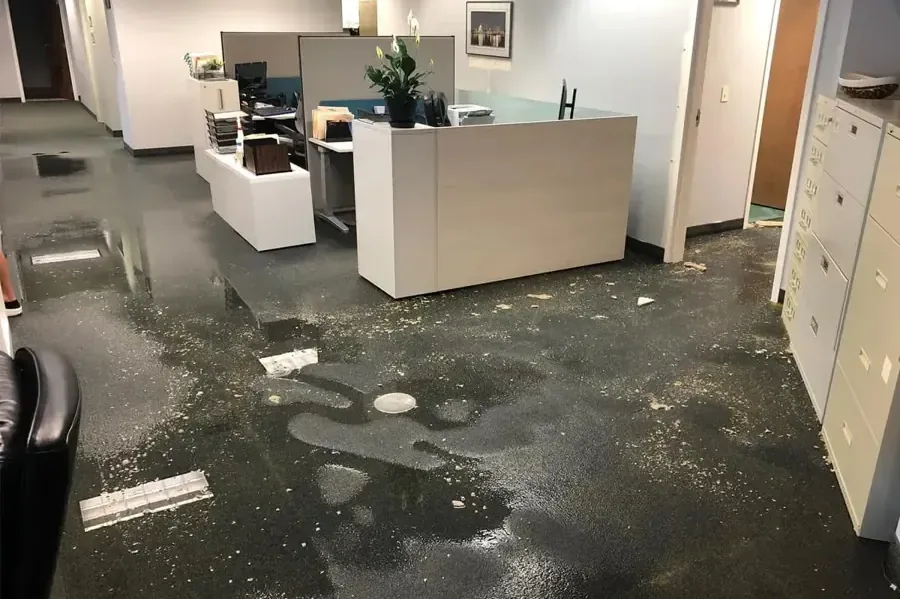
The essentials of commercial water damage
Rapid local response
A business loss affects access as well as materials. The 24/7 assessment begins with people, ongoing water and the authority to control the source before assigning equipment or removal work.
IICRC S500 drying standard
The commercial drying plan follows category, assembly and material response. Separate zones receive documented goals so an accessible open floor does not conceal moisture in partitions or overhead cavities.
Claim-ready documentation
A reviewable file connects photos, room locations, removal and equipment records. Owners, tenants and adjusters can distinguish building mitigation from source repair, contents questions and later reconstruction.
Local water experts
Old Town stores, dining spaces and cultural uses create different access needs. The contractor evaluates the actual occupancy and assembly rather than assuming every commercial loss behaves like a vacant warehouse.
What to do after commercial water damage
- Restrict the wet route
Management directs staff and visitors away from water and uncertain electrical conditions. The affected area remains separated until the appropriate safety and access assessment.
- Identify source responsibility
The owner or manager establishes who can authorize plumbing, roof or utility work. The mitigation team needs source status before relying on extraction and drying.
- Preserve business records safely
Photos and inventory notes document affected stock and equipment without moving contaminated items through clean areas. Sensitive equipment needs its own qualified condition assessment.
- Prepare access information
Keys, delivery routes, occupancy limits and the building contact help the contractor plan equipment movement. The drying scope should state which areas remain inaccessible or unavailable.
What does commercial water damage cost in Newhall, CA?
Commercial water mitigation often starts around $2,500 to $8,000 for a limited space and can reach $8,000 to $25,000 or more across larger assemblies. Category, access, contents and staged work strongly affect cost.
Limited business area
$2,500 to $8,000
- Source and access review
- Focused extraction
- Documented equipment setup
Several connected zones
$8,000 to $15,000
- Staged material access
- Broader drying capacity
- Zone-by-zone records
Extensive building loss
$15,000 to $30,000
- Complex work separation
- Multiple wet assemblies
- Detailed recovery coordination
Category, wet square footage, material class and delay before drying affect the scope. These are typical ranges, not a quote. Compare inputs in the Newhall water damage cost calculator.
How commercial water damage progresses
Establish the operating limits
The response lead meets the building contact, checks source status and identifies affected occupancies. The plan records restricted routes and areas requiring specialist evaluation before equipment or debris moves.
Survey assemblies and contents
The technician maps building moisture while management documents business contents and authorization needs. Findings distinguish the visible wet floor from ceiling, partition and subfloor contact that may extend into other zones.
Extract and stage the work
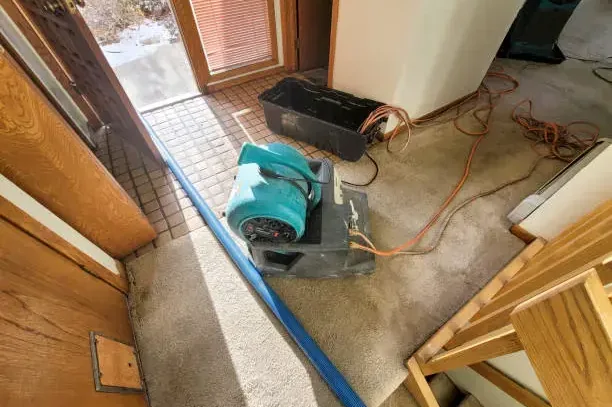
The crew removes water and unsuitable materials, then establishes drying zones where safe separation is possible. Hoses and equipment need safe routes and suitable power. The property representative coordinates any access restrictions with staff.
Report each zone clearly
Daily records show material progress, remaining access limits and source concerns. The final handoff identifies which assemblies support repair and which still require work, allowing management to coordinate subsequent decisions.
Old Town Newhall is a cultural and business center with shops, restaurants and theaters. A water loss around Main Street or Veterans Historical Plaza therefore needs more than a room-count estimate. The contractor checks staff and visitor access, contents, adjoining occupancies and the building assembly. The work plan identifies which business areas can remain accessible and which need to close during cleanup. A business on Newhall Avenue also needs source authorization and a safe equipment route identified early.
Plan access before placing equipment
Wet routes, extension cords, hoses and debris movement can interrupt normal circulation. The mitigation lead identifies safe entry, affected areas and any rooms that must remain unavailable. Building management and tenants need a clear description of where work occurs and which source repairs remain outstanding. A clean adjoining room does not automatically mean it can share the same air or traffic path during contaminated cleanup.
- The assessment records occupied areas and the route for equipment and removed materials.
- Business contents receive condition documentation before movement or disposal.
- The work plan separates contaminated spaces from unaffected stock and circulation.
- The contractor identifies access limits that prevent complete inspection of a wet assembly.
Match the drying plan to the commercial assembly
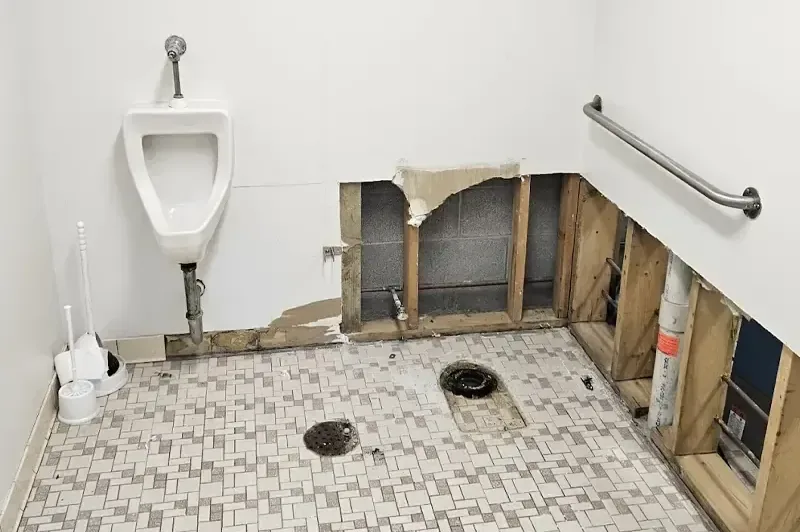
Floor coverings, partitions, cabinet bases and ceiling cavities can hide water beyond the open wet area. The technician maps those assemblies before selecting extraction equipment and drying zones. Dense floors or inaccessible wall layers may need a different approach from exposed framing. A broad open room can still contain small concealed pockets that control the repair schedule.
Where safe separation is feasible, staged work can address different zones in sequence. That decision depends on contamination, utilities, circulation and the work scope; it is not a blanket reopening promise. The drying team records each zone's condition so management can distinguish a completed area from one that still needs access or source work. Sewage cleanup and storm flood recovery require additional contamination decisions.
A commercial water loss needs a clear route for people, equipment and decisions. The assessment maps affected assemblies and records the work zones before extraction and drying proceed.
(888) 774-9605Discuss the business recovery scopeMake the loss record useful to several decision makers
A commercial file may need to explain conditions to an owner, tenant, building manager and insurer. Room sketches, photographs, itemized removal and daily readings keep the work reviewable. The record should distinguish building damage from inventory or equipment concerns and identify who approves source repair and reconstruction. Unclear responsibility can leave a repaired pipe above an unverified wet ceiling.
Ready.gov business preparedness supports continuity planning before a disruption. OSHA information provides workplace safety context. The site's actual hazards and operating requirements still determine access and work controls; neither a general checklist nor an equipment delivery establishes that a business may reopen.
Safe access comes first
The response team keeps people away from wet electrical equipment and unstable ceilings. Occupants avoid entering contaminated water or disturbing soaked materials. Source isolation and safe access come before fans, cleaning or demolition, and the restoration assessment records those limits before work starts.
Commercial water damage around Newhall
Coverage includes Old Town Newhall, Main Street, Sierra Highway and homes around William S. Hart Park. The service area includes ZIP 91321 and 91322.
Valencia, Stevenson Ranch, Castaic, Canyon Country and Acton are also in the service area.
Related water damage services in Newhall
Commercial Water Damage questions in Newhall, CA
Questions before work begins
A commercial water loss needs a clear route for people, equipment and decisions. The assessment maps affected assemblies and records the work zones before extraction and drying proceed.
(888) 774-9605Discuss the business recovery scopeCan the business stay open during drying?
That depends on hazards, contamination, utilities and whether safe separation is possible. Some losses permit staged work; others require restricted occupancy. The contractor describes work-zone conditions, and the relevant building and safety decisions govern use of the space.
Who authorizes work in a leased building?
Lease terms and management arrangements determine responsibilities, so the business identifies the owner or authorized contact early. Source repair, building mitigation and tenant contents may involve different decisions. A clear written scope helps keep those responsibilities visible.
Does the crew assess damaged business equipment?
The mitigation assessment records water contact and protects access, but specialized equipment can require its own qualified evaluation. Electronic, mechanical or sensitive stock concerns should not be treated as ordinary floor drying. Management coordinates those separate assessments with the recovery plan.
Why divide the building into drying zones?
Different areas can have different materials, contamination or access conditions. Zones allow the contractor to document those differences and stage work where separation is safe. The access assessment determines which apparently unaffected areas can remain occupied during cleanup.
What belongs in a commercial claim file?
Useful records include the discovery timeline, source findings, room maps, photographs, removed materials and equipment logs. Business contents and interruption concerns may need additional documentation. The insurer determines coverage and limits under the relevant policy, separate from the mitigation contractor’s observations.
How is completion reported for a large space?
The report should identify material readings and conditions by affected area, including inaccessible locations or unresolved sources. A single overall statement can hide differences between zones. Clear location-based records support repair coordination and management decisions about the next stage.
Give the building a documented water-loss plan
The restoration team coordinates access, removal and drying records around the conditions found at the property.
(888) 774-9605Arrange the commercial loss review