Canyon Country Water Damage Restoration
Water beneath a cabinet or behind a ceiling can reach adjoining materials before the visible puddle grows. Cleanup begins with locating the source, removing escaped water and measuring the affected rooms.
(888) 774-9605Discuss the wet roomsDescribe where water appeared, whether it is still entering and which rooms are difficult to access.
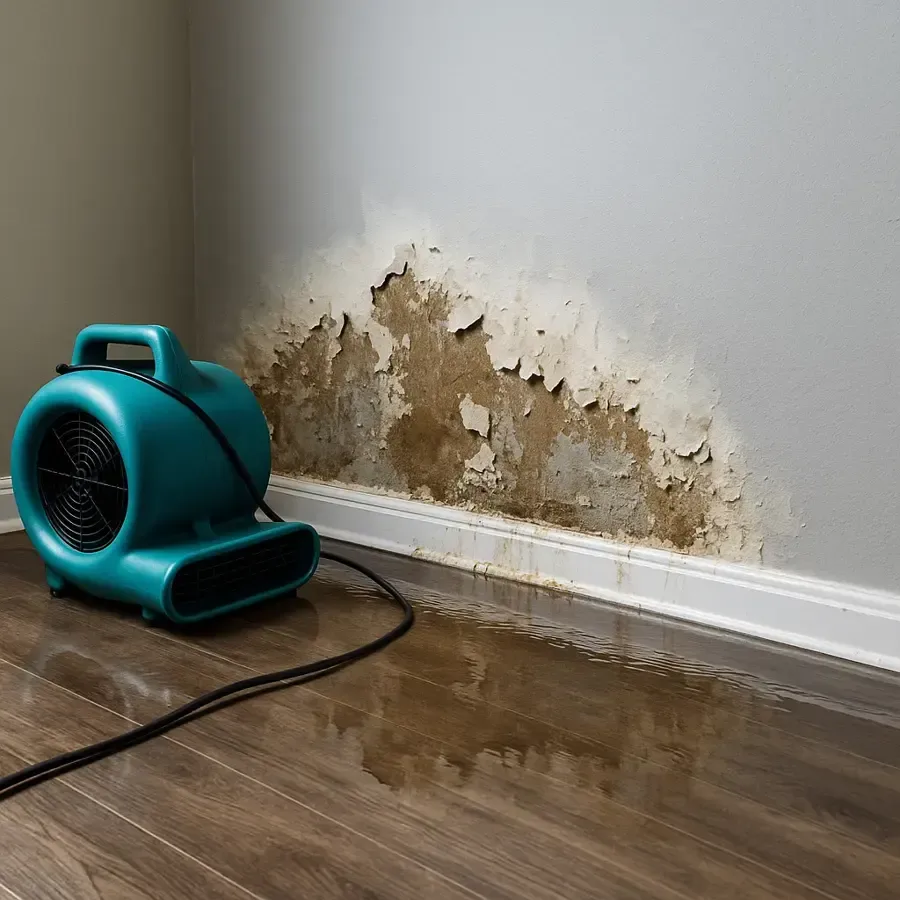
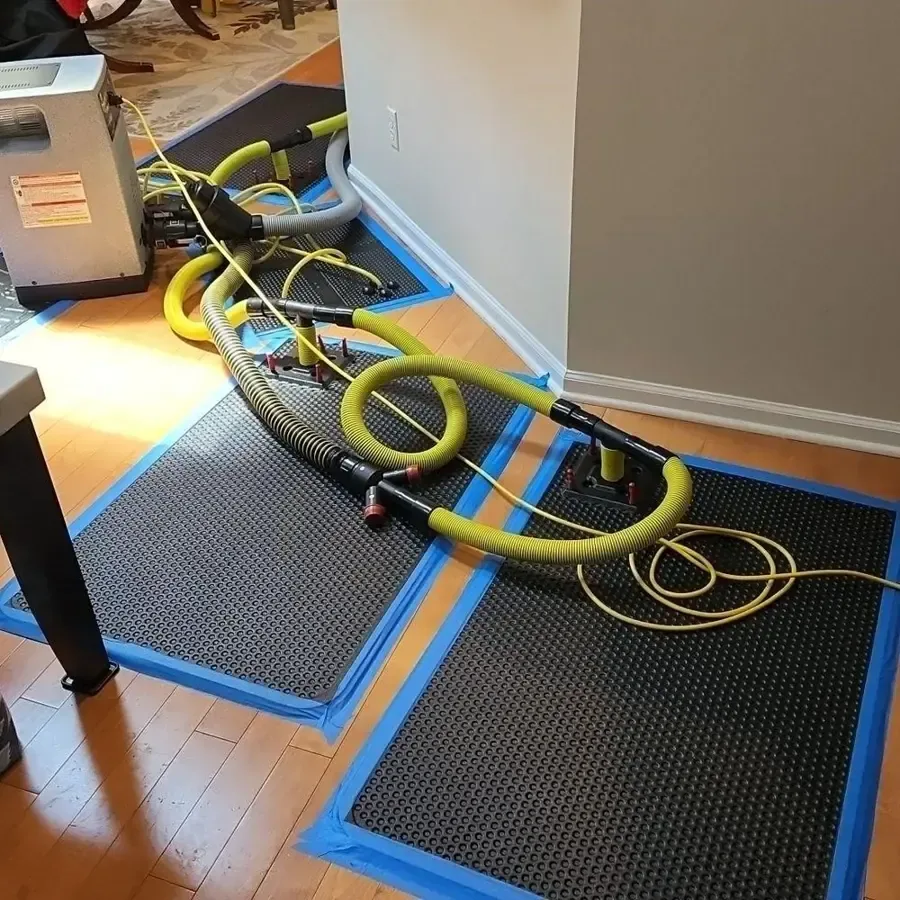
A useful scope follows moisture
A tidy floor can conceal a wet wall base. The assessment connects visible damage with material readings so each opening has a purpose. In Whites Canyon, Vista Canyon and Tick Canyon, the actual room construction determines access, protection and drying choices throughout the affected property.
Cleanup matched to the water source
A ceiling stain needs different access than a backed up drain. Explore water extraction or select the problem below for preparation steps and material decisions.
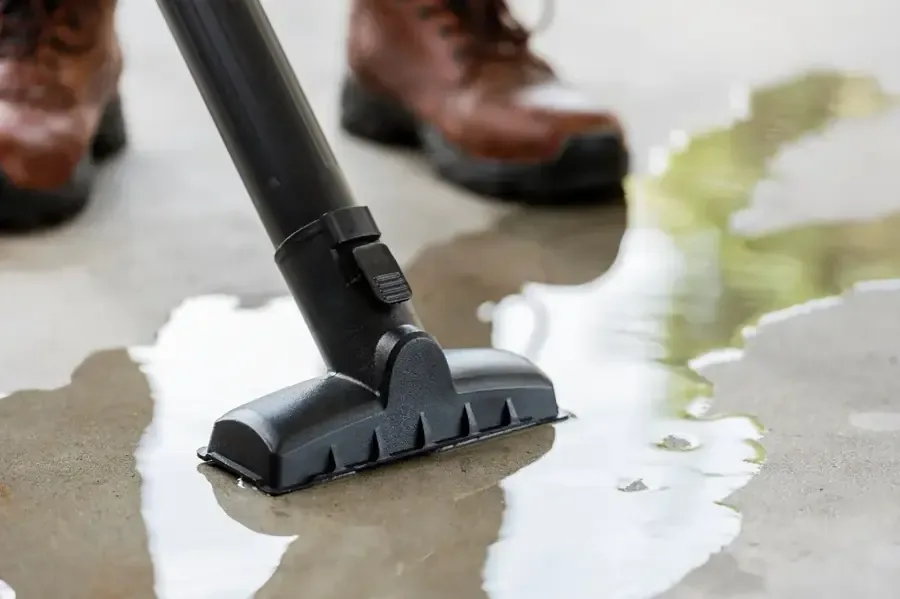
Water Extraction and Removal
Pooling water needs collection before drying equipment can reach moisture held inside the floor.
Service details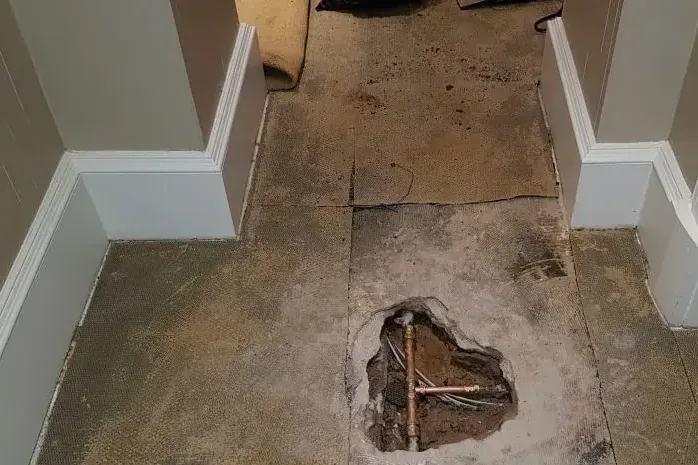
Slab Leak Water Damage
Damp floor edges deserve investigation beneath the finish before replacement flooring covers the problem.
Service details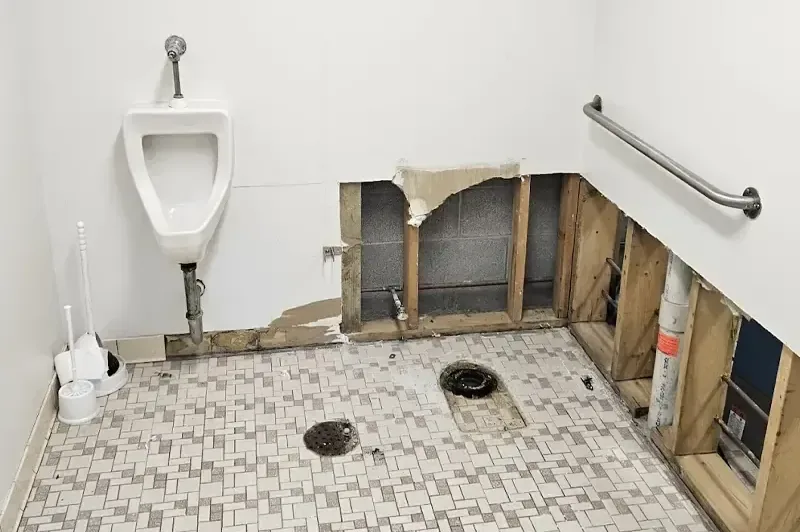
Sewage Backup Cleanup
Wastewater changes the handling of porous materials and requires separation from clean living spaces.
Service details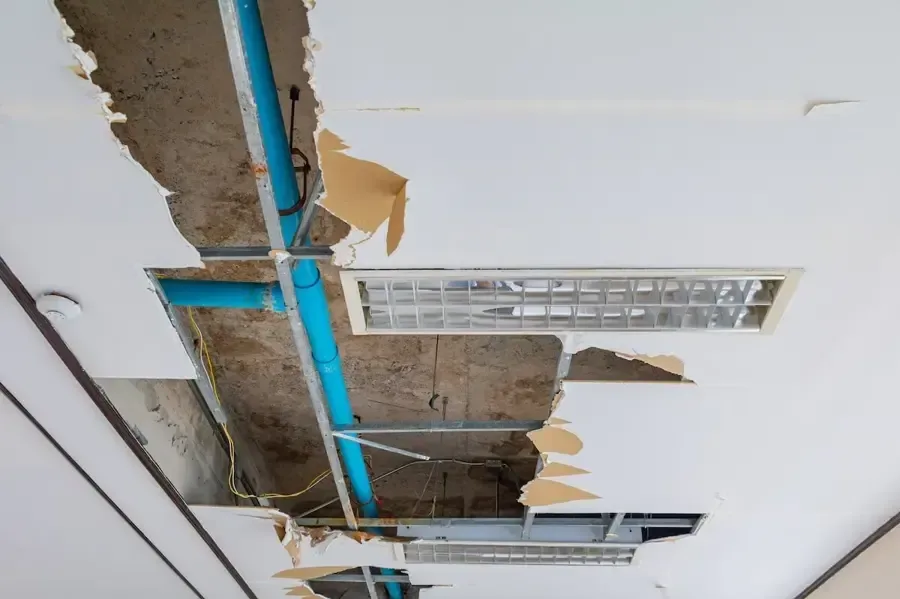
Burst Pipe Water Damage
A stopped pipe leak still leaves soaked cavities that need tracing through adjoining rooms.
Service details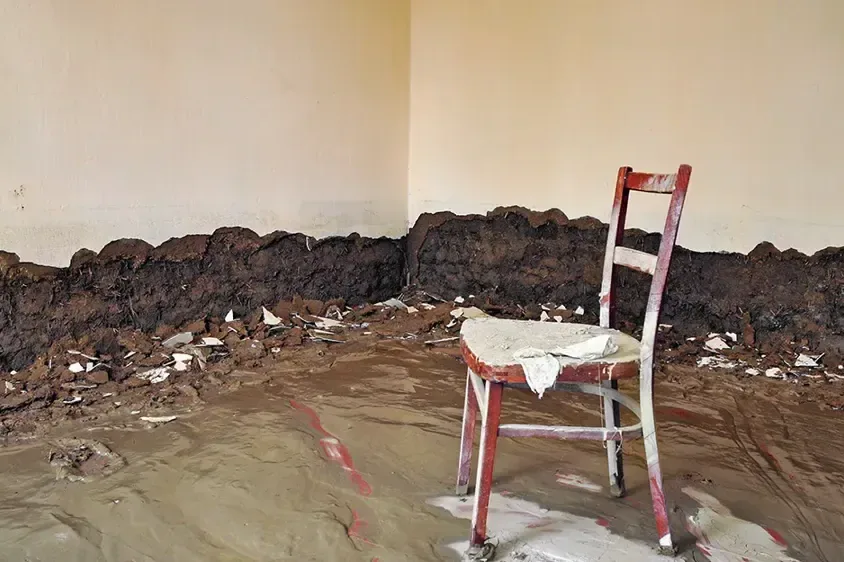
Storm Flood Cleanup
Outdoor water brings a different cleanup problem when sediment enters an occupied indoor space.
Service details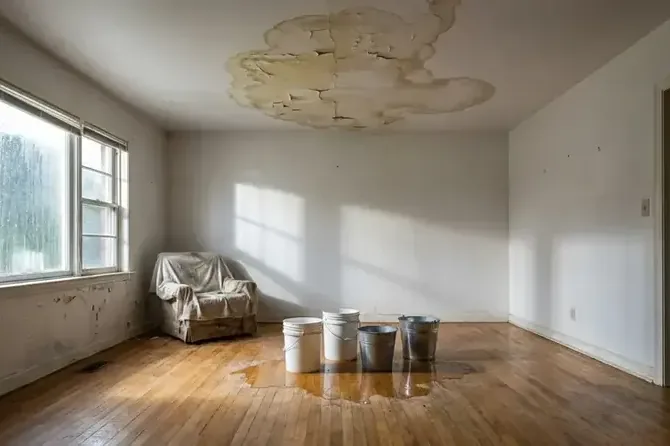
Roof Leak Water Damage
An attic inspection follows rainwater from roof entry toward insulation and the ceiling below.
Service details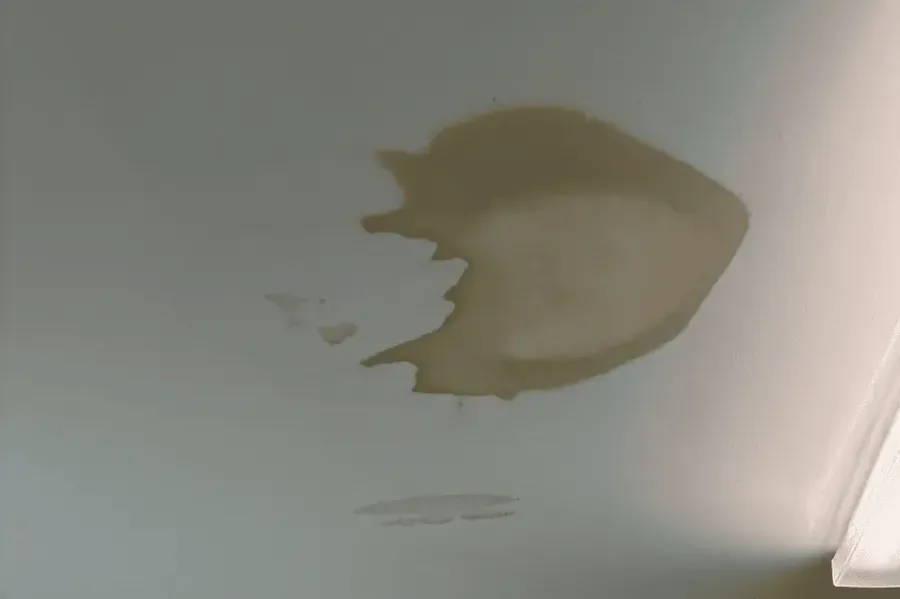
Ceiling Leak Water Damage
Sagging drywall requires a protected area while the overhead source and trapped moisture are assessed.
Service details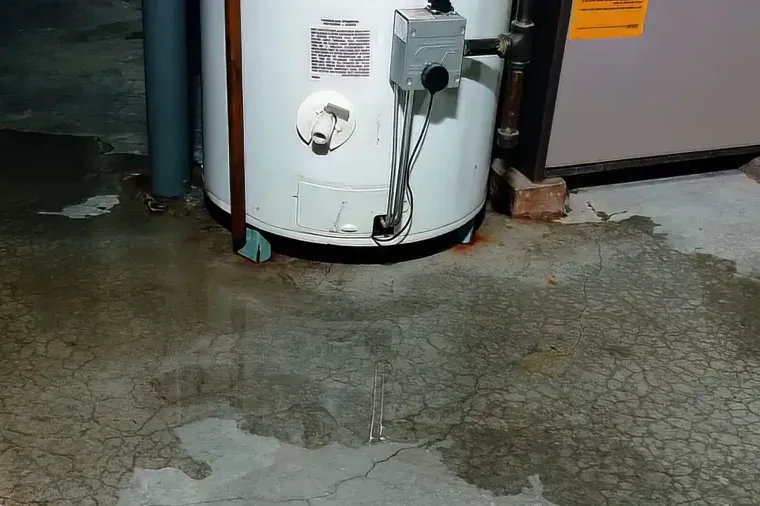
Water Heater Leak Cleanup
Water escaping a tank can disappear beneath a closet threshold and wet nearby room edges.
Service details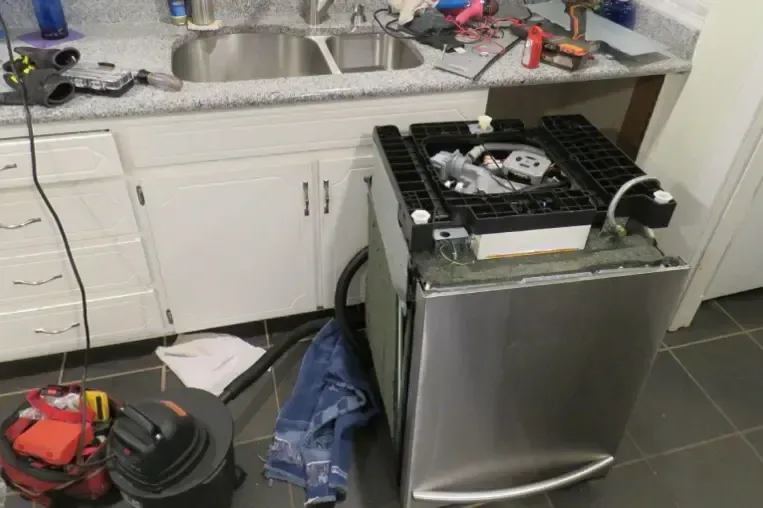
Appliance Leak Water Damage
Hidden dishwasher or laundry leaks need attention behind equipment as well as across visible flooring.
Service details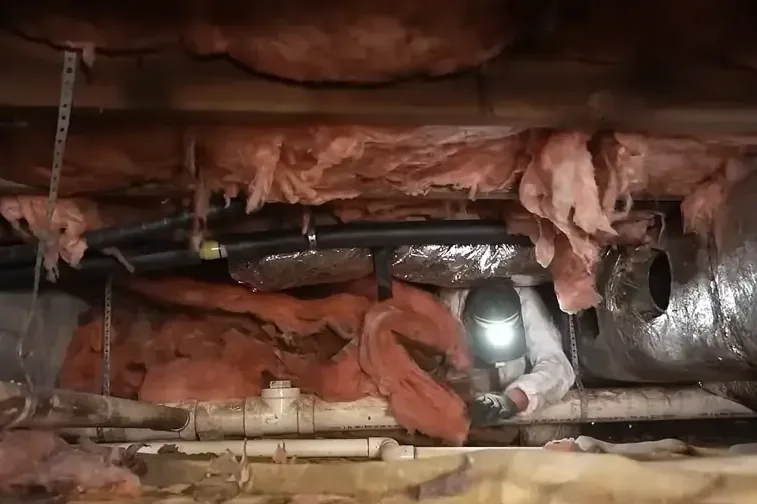
Crawl Space Water Removal
Underfloor pooling calls for safe access, source control and inspection of insulation beside wet framing.
Service details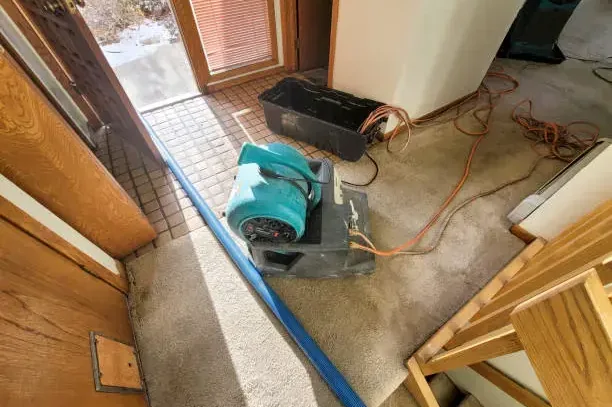
Structural Drying and Dehumidification
Repeated material readings show whether walls and flooring are responding to controlled drying conditions.
Service details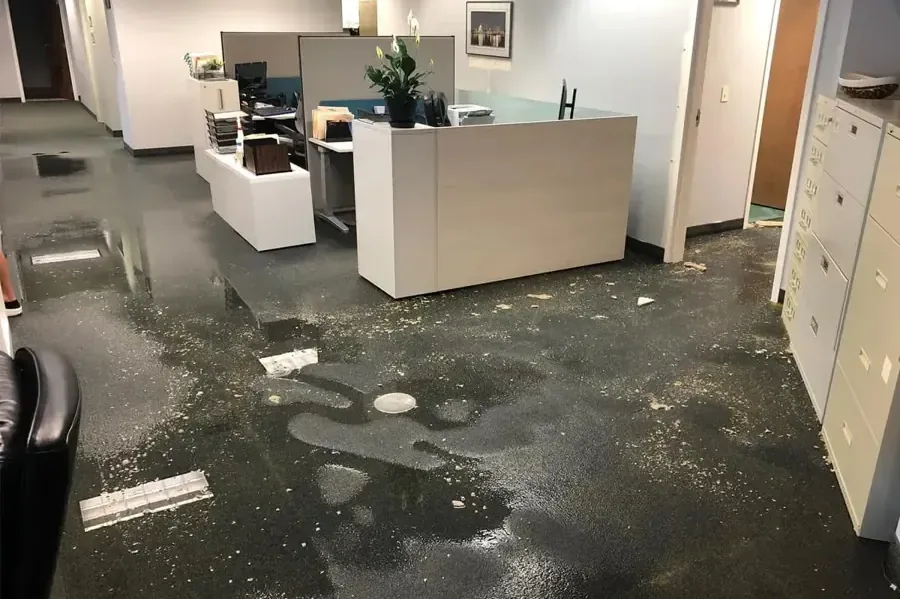
Commercial Water Damage
Business recovery coordinates wet work areas, stored contents and safe routes through the occupied building.
Service detailsA useful scope follows moisture
Room by room findings
Inspection notes should identify where moisture was measured and which adjoining surfaces were checked. A room name alone gives little detail about concealed damage or recovery needs.
Material specific decisions
Wet carpet backing, dense flooring and exposed framing respond differently. The scope should explain what can remain, what needs access and what condition prevents reliable recovery.
Visible progress records
Equipment placement starts the drying phase. Follow up readings show its effect and help explain changes in the setup when a difficult cavity stays wet longer.
Separate repair responsibilities
Stopping the leak, drying materials and restoring finishes are distinct tasks. Clear descriptions help the owner understand which professional handles each task before work moves forward.
Equipment chosen for the wet materials
- Establish the boundary
Inspect adjacent walls, thresholds and lower spaces from the leak location. Mark affected materials so equipment and removal decisions address the water path.
- Create working access
Protect clean routes and move suitable contents. Open only the areas needed to reach trapped moisture or remove materials that cannot remain in the cleanup scope.
- Manage moisture release
Position extraction and drying equipment around the exposed wet assembly. Adjust airflow and humidity control as readings show which materials are responding and which need attention.
- Document the stopping point
Compare final measurements with suitable dry references. Record remaining repair needs and unresolved source issues so cosmetic work does not hide moisture still requiring treatment.
What shapes Canyon Country cleanup costs?
The amount of visible water is only part of the estimate. Room connections, hidden wet layers, contamination and safe access determine the work. An inspection should separate extraction and drying charges from plumbing repairs and replacement finishes.
Limited room cleanup
- Accessible wet surfaces
- Small equipment setup
- Focused material checks
Connected space recovery
- Several affected edges
- Additional cavity access
- Wider drying coverage
Extensive interior work
- Complex material removal
- Expanded moisture monitoring
- Multiple work areas
These planning ranges help frame a conversation. A written assessment should explain the affected materials, expected work and any separate reconstruction items before the owner approves a scope.
From the source to the final readings
The practical goal is a building ready for repair, with escaped water removed and retained materials assessed through drying. Each stage creates information needed for the next decision instead of relying on appearance alone.
Give the adjuster a clear sequence
A useful claim record connects the initial discovery, the source repair and the cleanup work. Keep observations factual and save documents as the job progresses through each stage.
- Photos showing each affected room clearly
- Date and circumstances of initial discovery
- Plumbing notes describing the source repair
- Itemized cleanup scope and equipment records
- Receipts for approved protective work completed
When paying for cleanup directly
Ask for immediate water removal and later reconstruction to be described separately. Comparing structural drying with finish repairs helps identify which decisions must happen before new coverings can be selected.
Discuss access limits, contents handling and likely inspection openings before approving the scope. If additional wet material appears during removal, request an explanation of the change and its effect on cost.
Different sources change material handling
Recent supply escape
A recently stopped supply leak may allow recovery of suitable materials. Assessment still checks where the water traveled and what it contacted along its path.
Explore water collectionEquipment related leakage
A leaking appliance can wet concealed cabinet bases before a floor looks soaked. Access behind the equipment helps identify affected layers and a workable cleanup boundary.
Inspect appliance damageWastewater inside rooms
Sewage cleanup needs controlled handling and careful removal of affected porous finishes. Keep occupants outside the contaminated area until cleaning and assessment establish safe next steps.
Understand wastewater workMake the affected space safer to assess
- Avoid pooling water
Stay on a dry route. Keep people away from wet outlets, hanging ceiling sections and water carrying waste or outdoor debris.
- Stop a reachable source safely
Use an accessible fixture shutoff only from a safe position. A concealed leak or unsafe valve needs the appropriate plumbing professional before normal use resumes.
- Record what can be seen
Photograph affected rooms from dry ground, including thresholds and furniture edges. Note when the leak appeared and whether any equipment was running at that time.
- Protect dry belongings first
Move clean, lightweight items out of adjoining dry spaces when access is safe. Leave heavy furniture and anything resting beneath a soft ceiling in place.
- Describe the whole water route
Mention stains outside the original room, damp closets and water under cabinets. Those details help establish inspection needs beyond the most obvious puddle on arrival.
Describe access as well as the damage
Mention locked gates, occupied rooms and the location of the nearest dry entrance when arranging an assessment. Access information helps protect unaffected parts of the property during equipment movement.
For homes in Pinetree or Falcon Ridge, explain whether water is upstairs, at floor level or beneath the building. The location determines what needs inspection before a cleanup scope is prepared.
Canyon Country, CA · [email protected]
Canyon Country properties
Neighborhoods and familiar corridors
Primary postal areas
Nearby community pages
A community with varied water pathways
Canyon Country lies along the Santa Clara River. Household leaks, outdoor accumulation and overhead water each need a source specific response that considers the affected building and safe access to its interior.
March 4, 2019: A dated report described rain related landslide problems at American Beauty and Trestles Home, where crews diverted and pumped accumulated water during the hillside response.
- Ground conditions after rain
Avoid moving ground and follow current access restrictions during an active hillside emergency. Interior cleanup begins when the building and approach can be assessed safely.
- Concealed fixture leakage
A small visible puddle can connect to damp cabinet backs or wall bases. Record the location and stop using the suspected fixture until the source has been evaluated.
- Different housing examples
Whites Canyon includes midcentury homes, while Vista Canyon includes contemporary tract housing. Inspect the wet materials in the individual home before selecting removal methods or drying access points.
- Water heater replacement questions
The Santa Clarita Permit Center lists Water Heater Changeout among residential instant online permit categories. Discuss replacement requirements separately from the work needed to remove escaped water and dry finishes.
- School and community routines
Canyon High School and Sierra Vista Junior High are in Whites Canyon. When a household is managing disrupted routines, identify dry belongings and a protected exit before cleanup begins.
Questions after discovering water indoors
Start with the visible symptoms
Describe the source, wet materials and access concerns so the conversation begins with the condition inside the affected property.
(888) 774-9605Discuss the damage detailsIs a dry surface enough to close a wall?
A surface can dry while material behind it stays damp. Before closing a wall, the retained framing and accessible cavity surfaces need suitable moisture checks. The repair plan should also identify how the original leak was stopped.
What should stay untouched beneath a wet ceiling?
Leave furniture and belongings beneath a sagging section until the area has been evaluated. Moving items can put someone directly under unstable material. Keep people away and describe any visible bulge or active dripping when requesting help.
Can belongings remain inside the affected room?
Some contents can remain protected in place, while others block extraction or airflow. The decision depends on the water source, the object's material and safe handling. Document valuable items before movement and keep contaminated belongings away from clean storage.
Does every wet floor need complete replacement?
The floor's layers, adhesive, condition and exposure determine the answer. Inspection may show that some sections can dry in place while others need lifting. A written scope should explain the reason for removal instead of treating every finish identically.
Which records help explain a hidden plumbing leak?
Keep the plumber's findings, photos of opened areas and any source repair invoice together. Add the dates when stains or dampness were first noticed. Cleanup measurements then help connect the repair location with the materials that require drying.
Should normal appliance use continue during cleanup?
Avoid operating equipment suspected of causing the leak until its source has been addressed. A new cycle can add water behind cabinets or beneath flooring. Unaffected appliances also need safe electrical access and clearance from hoses and drying equipment.
How is a drying setup adjusted during the job?
Material measurements and room conditions show whether the arrangement is working. A difficult wall cavity may need different access, while a drying room may need less equipment. Changes should follow those observations and be recorded with the job notes.
Who decides whether a claim is covered?
The insurer evaluates coverage under the policy and circumstances of the loss. Cleanup documentation describes damage and work performed. Keep coverage discussions separate from urgent source control, and ask the adjuster what authorization and supporting documents are needed.
What information helps schedule a property assessment?
Provide the affected room, whether water is still entering, any known contamination and available access. Mention ceiling instability or electricity near water immediately. Photos taken safely can help explain the condition, but concealed damage still requires inspection at the property.
Make the next decision about the actual damage
Explain the wet rooms and source concerns to begin a cleanup conversation focused on the affected property.
(888) 774-9605Describe the water problem