Appliance Leak Water Damage in Newhall, CA
The Newhall restoration team checks water escaping from washers, dishwashers and refrigerator connections, then extracts and dries affected cabinets and floors after source control. Appliance-loss dispatch operates 24/7.
(888) 774-9605Trace the appliance water spread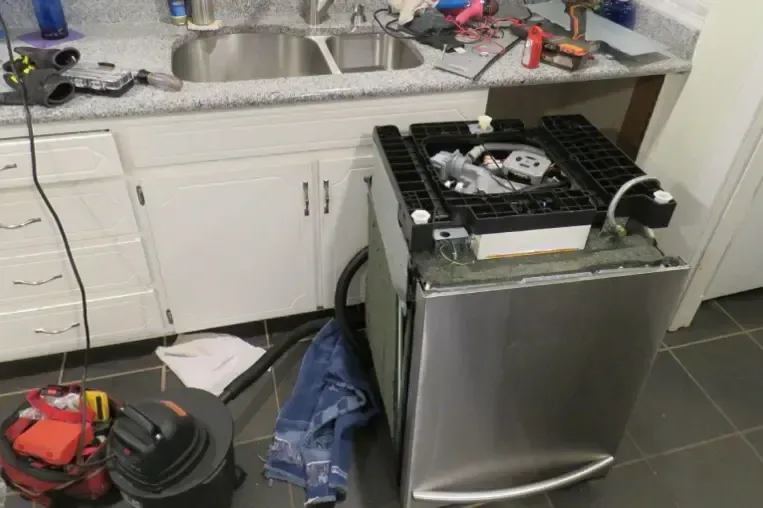
The essentials of appliance leak water damage
Rapid local response
A small concealed release can continue beneath cabinets between appliance cycles. The 24/7 assessment prioritizes stopping use, identifying the source and checking whether water has reached adjacent rooms.
IICRC S500 drying standard
Source category and material condition guide recovery. The contractor checks beneath finishes and inside accessible bases instead of assuming a wiped surface means the floor assembly is dry.
Claim-ready documentation
Before-and-during photographs record appliance position, affected cabinets and necessary openings. The file connects those observations with equipment diagnosis and drying readings to explain each part of the scope.
Local water experts
Individual homes have different kitchens, laundry locations and flooring layers. The assessment verifies the actual setup and follows the water path without inventing a local appliance or plumbing failure rate.
What to do after appliance leak water damage
- Stop the appliance cycle
The household stops further use when conditions permit and avoids standing water near electrical connections. A source professional evaluates safe isolation and repair.
- Avoid another test run
Repeating a wash or rinse can enlarge the loss. The appliance technician investigates the cause while the restoration assessment documents existing moisture.
- Keep concealed edges accessible
Items near toe kicks and floor transitions move only from a safe position. The crew needs access beneath and beside the installation to trace water.
- Record supply and discharge clues
Photos of the visible leak, water condition and affected finishes help preserve the original scene. The owner avoids labeling the water clean without an assessment.
What does appliance leak water damage cost in Newhall, CA?
Appliance leak mitigation typically ranges from $800 to $4,500, with cabinet or subfloor involvement reaching $8,000 or more. Water category, concealed access and damaged finishes matter more than the appliance’s size.
Limited floor spill
$800 to $1,800
- Accessible extraction
- Local moisture checks
- Focused drying setup
Cabinet and flooring contact
$1,800 to $4,500
- Toe-kick access
- Underlayment assessment
- Monitored material drying
Multiple layers or rooms
$4,500 to $8,500
- Expanded selective removal
- Lower-room assessment
- Documented drying handoff
Category, wet square footage, material class and delay before drying affect the scope. These are typical ranges, not a quote. Compare inputs in the Newhall water damage cost calculator.
How appliance leak water damage progresses
Identify the release
The assessment distinguishes supply leakage from used discharge and notes whether equipment continues operating. Electrical concerns and connection status shape the safe route to source control and interior inspection.
Map beneath the equipment
The technician checks cabinet bases, flooring edges and the space below when applicable. The wet boundary often extends beyond the appliance outline, so measurements guide the access scope.
Remove water and unsuitable layers
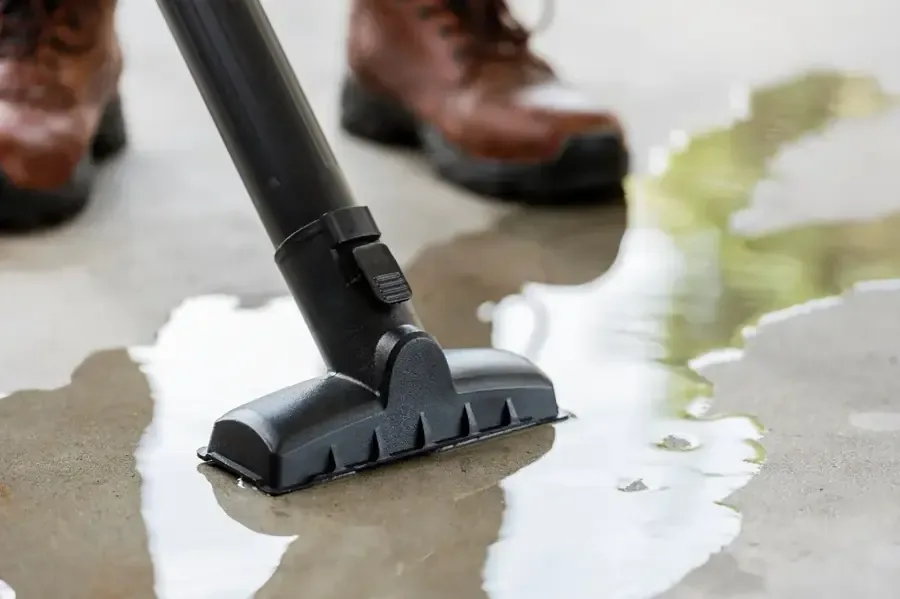
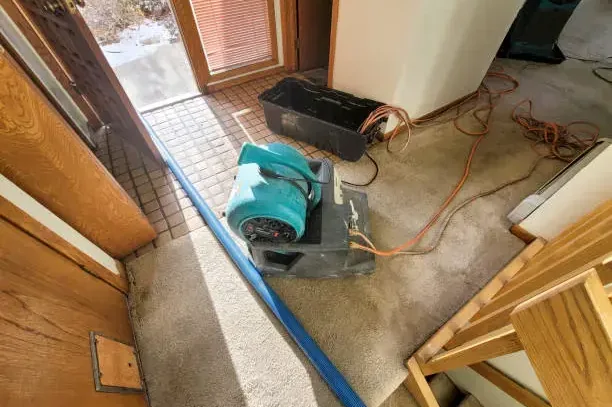
The crew extracts water and documents materials that cannot remain because of contamination, swelling or blocked access. Drying equipment then addresses the remaining assembly rather than a concealed wet sandwich.
Verify before reinstalling finishes
The drying record identifies material progress and remaining damage. Cabinet repair, appliance reinstallation and flooring replacement follow a clear handoff so completed source work does not hide unresolved moisture.
An appliance leak can spread beneath flooring while only a narrow wet edge appears in the room. The mitigation technician follows the supply or discharge route and checks the materials behind the equipment. Homes around William S. Hart Park, Newhall Avenue and Sierra Highway need an inspection of their own installation. The technician checks the installed equipment, connections and cabinet construction at the affected property.
Identify whether the water is supply or discharge
A refrigerator connection can release supply water; a dishwasher or washing-machine discharge may carry residue from use. The cleanup category depends on source, contact and time rather than the appliance name alone. The technician records those conditions before deciding whether carpet, underlayment or cabinet materials can remain. Running another cycle to reproduce a leak can add unnecessary water.
- The source assessment traces water through the supply connections, appliance components and discharge path.
- The moisture survey reaches beneath toe kicks, floor transitions and nearby trim.
- The crew inspects the room below when water may pass through the floor assembly.
- The scope explains cabinet or flooring removal needed to access trapped moisture.
A dry kitchen surface can conceal a wet base
Water can move under a floating floor, beneath a dishwasher or along a cabinet base without leaving a broad puddle. A mop handles the open surface but cannot reach every concealed layer. The restoration team evaluates swollen composite materials, loosened finishes and moisture at adjacent wall bottoms. Some materials lose strength or shape and cannot be restored simply by drying.
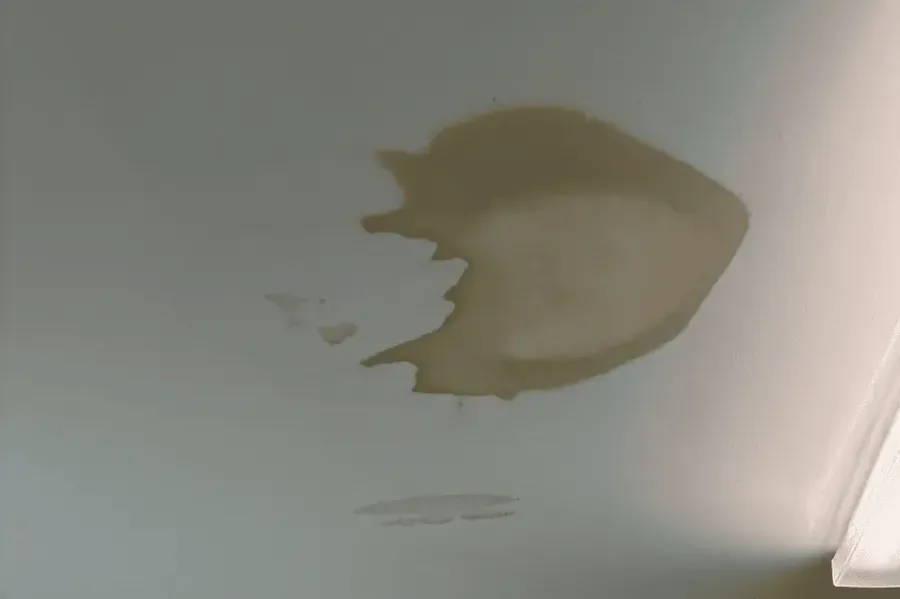
Appliance movement requires attention to remaining electrical, water and drain connections. The contractor coordinates source work and access rather than pulling equipment blindly across a wet floor. Once access is established, extraction reduces retained water and controlled drying follows. Ceiling leak assessment covers damage below the source room, while structural drying verifies exposed assemblies.
An appliance leak can leave a dry-looking room above a wet underlayment. The assessment follows the water beneath equipment and cabinets before the damaged area receives new finishes.
(888) 774-9605Discuss the concealed appliance leakKeep the appliance diagnosis with the damage record
The service technician's findings identify the failed component or connection. The mitigation file documents water contact, removed finishes and drying measurements. Together these records explain the release and the resulting damage, with separate scopes for equipment repair and building recovery. The owner keeps photographs from before the appliance or cabinets move.
EPA WaterSense leak information supports noticing unexplained household water use. Ready.gov supply planning helps households prepare when a kitchen or laundry area becomes unavailable. The property-specific assessment still determines source isolation, safe access and the materials that need cleanup.
Safe access comes first
The response team keeps people away from wet electrical equipment and unstable ceilings. Occupants avoid entering contaminated water or disturbing soaked materials. Source isolation and safe access come before fans, cleaning or demolition, and the restoration assessment records those limits before work starts.
Appliance leak water damage around Newhall
Coverage includes Old Town Newhall, Main Street, Sierra Highway and homes around William S. Hart Park. The service area includes ZIP 91321 and 91322.
Valencia, Stevenson Ranch, Castaic, Canyon Country and Acton are also in the service area.
Related water damage services in Newhall
Appliance Leak Water Damage questions in Newhall, CA
Questions before work begins
An appliance leak can leave a dry-looking room above a wet underlayment. The assessment follows the water beneath equipment and cabinets before the damaged area receives new finishes.
(888) 774-9605Discuss the concealed appliance leakIs dishwasher water treated like a fresh supply leak?
The source and contents matter. Used dishwasher water can carry food residue or cleaning products, while a supply connection begins differently. Contact and elapsed time also affect category. The crew evaluates conditions before deciding which materials can be cleaned or dried.
Can a refrigerator leak wet more than the kitchen?
Water can travel beneath flooring or along wall edges before appearing at a doorway. In some assemblies it can reach the space below. The technician checks adjoining areas and follows moisture readings rather than limiting the survey to the appliance footprint.
Do cabinets always need removal?
The decision depends on construction, condition, contamination and access to trapped moisture. Some bases allow targeted access; swollen or damaged composite materials may not recover. The contractor documents why a component remains, opens or requires replacement.
Should the owner pull out the appliance?
Moving connected equipment across a wet floor can strain supply and drain connections or expose electrical hazards. Source isolation and safe access should be established first. The appropriate professional coordinates movement while preserving the evidence of the original leak.
Why does the floor still feel soft after drying?
Moisture and physical damage are different conditions. Underlayment, composite materials or damaged finishes can lose strength even after water content falls. The repair assessment evaluates that damage separately from the drying record before a replacement decision.
What should a written scope separate?
Appliance repair, extraction, material removal, drying and reconstruction should be identifiable. The source technician explains the equipment issue, and the mitigation contractor records building damage. Insurance coverage depends on the policy and cause, not simply on the appliance involved.
Reach the water beneath the appliance
The cleanup team separates source repair from cabinet, floor and cavity drying decisions.
(888) 774-9605Arrange appliance-area assessment