Water Damage Restoration in Acton
A wet floor can hide damage beneath cabinets, inside walls and around stored belongings. Acton property owners can arrange water removal and a drying assessment that follows the full path of the leak.
(888) 774-9605Discuss the wet roomsKeep people away from unstable ceilings and electrical equipment until the affected area has been assessed.
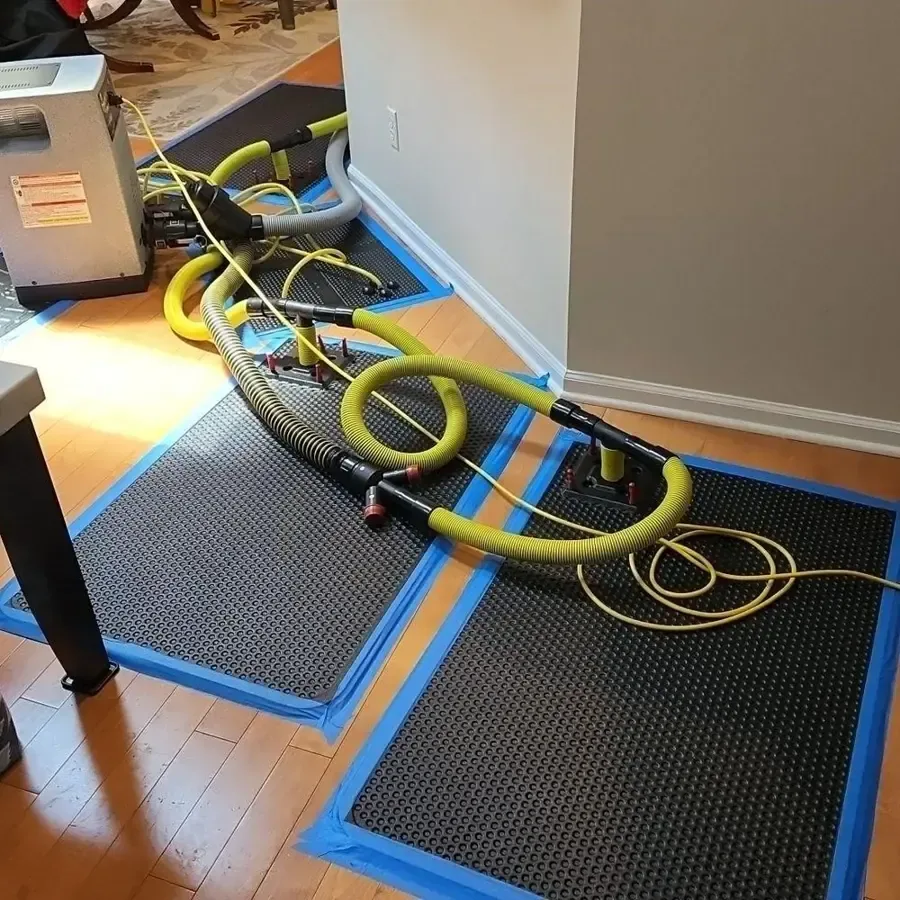
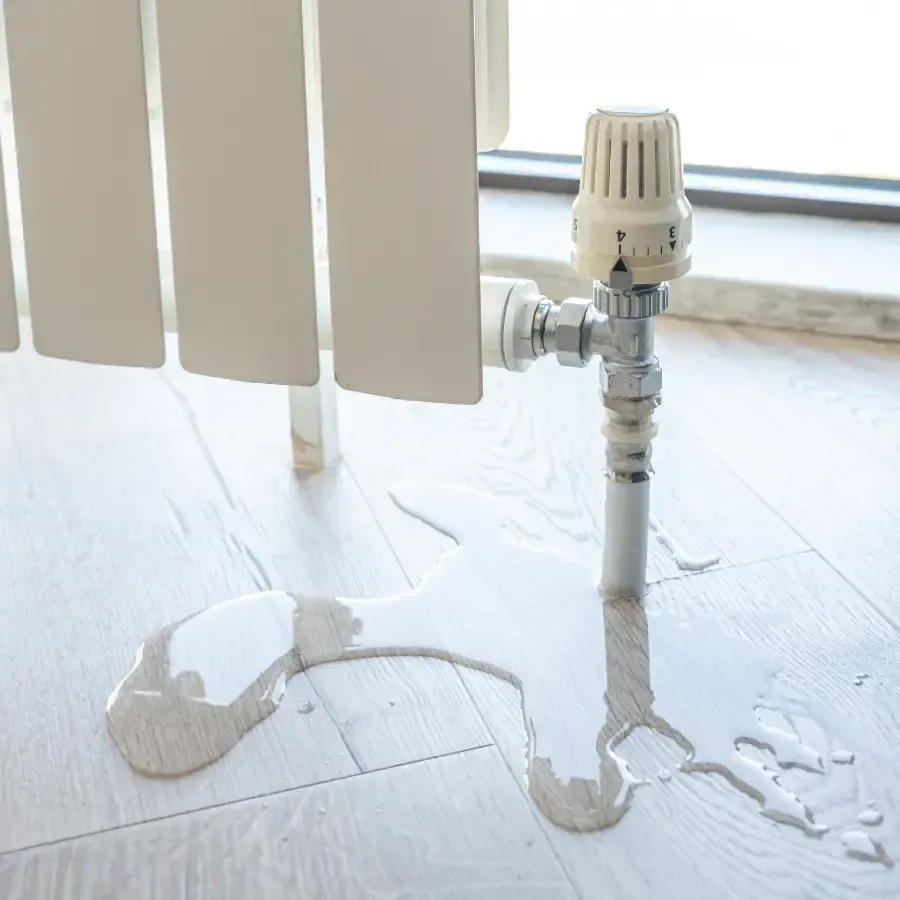
Follow water beyond its first puddle
Ranch-style homes and equestrian facilities are part of the Acton valley's housing setting. A useful assessment focuses on the particular building: where water entered, which finishes it reached and what must be opened or protected. Detached storage and occupied living areas may need separate inspection decisions.
Help for the damage that happened
Different sources leave different cleanup needs. Select water removal or another problem below to understand containment, material recovery and the questions that shape an appropriate scope of work.
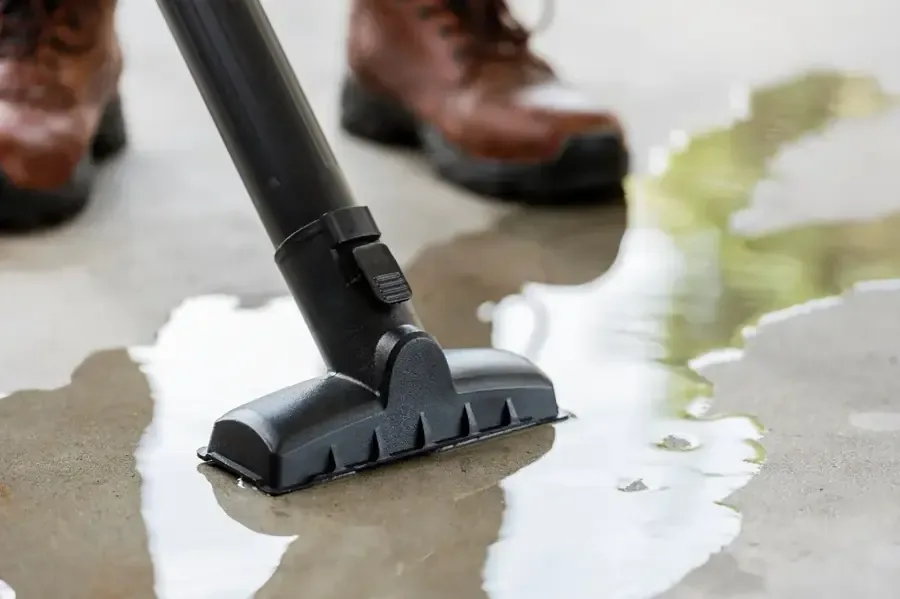
Water Extraction and Removal
Standing water needs removal before moisture beneath floor coverings can be measured and addressed.
Service details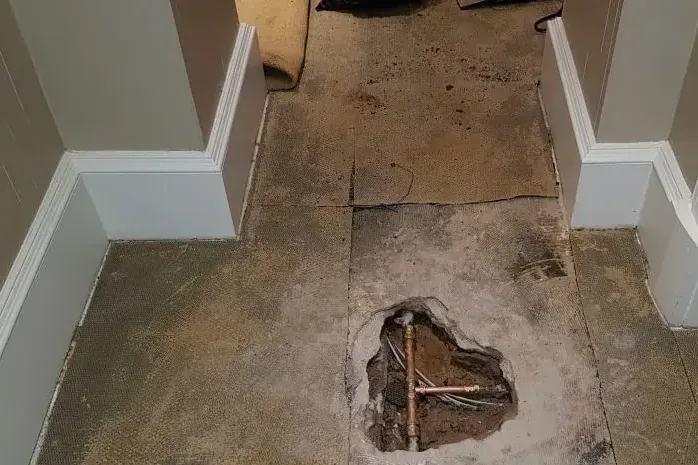
Slab Leak Water Damage
Damp floor edges need assessment beneath finishes after the leaking pipe is located.
Service details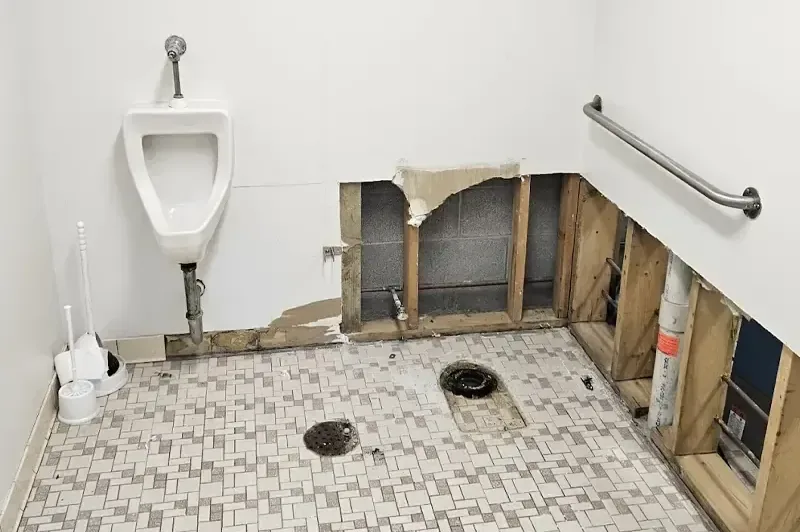
Sewage Backup Cleanup
Contaminated rooms need controlled access, removal decisions and cleaning before ordinary drying equipment is positioned.
Service details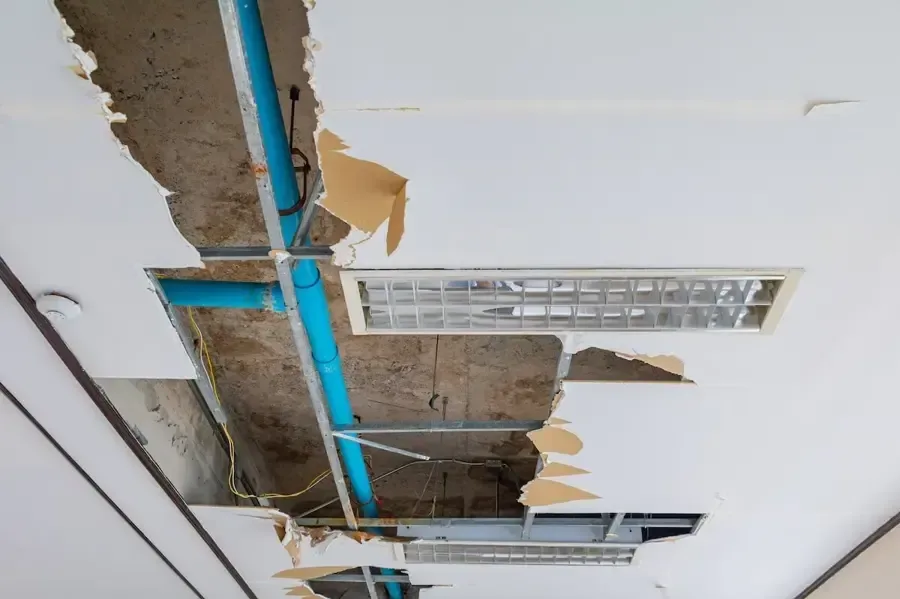
Burst Pipe Water Damage
A ruptured pipe can send water through wall cavities into rooms beyond the visible break.
Service details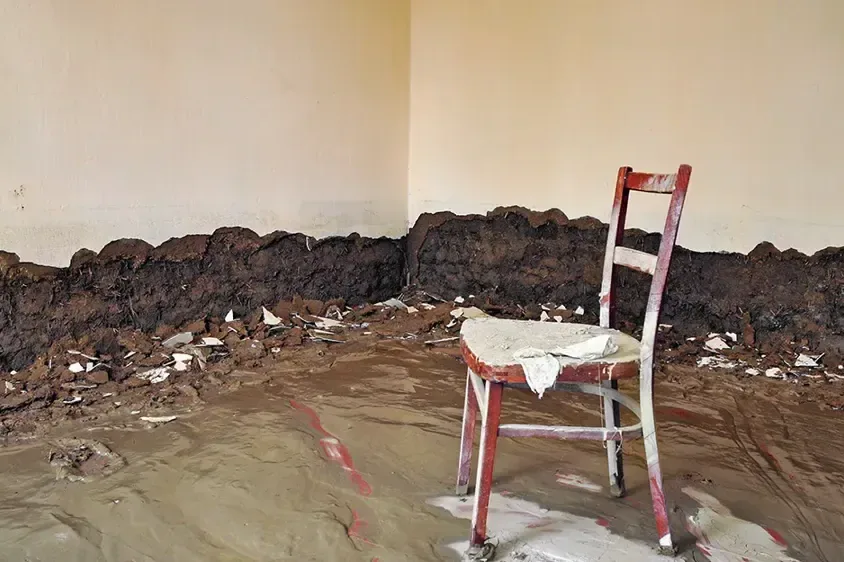
Storm Flood Cleanup
Mud carried indoors changes the cleanup sequence and the handling of saturated household materials.
Service details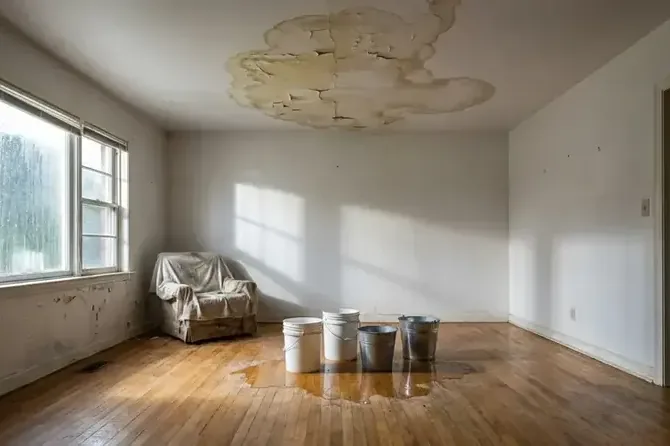
Roof Leak Water Damage
Attic insulation and ceiling layers deserve attention when rain enters through a roof opening.
Service details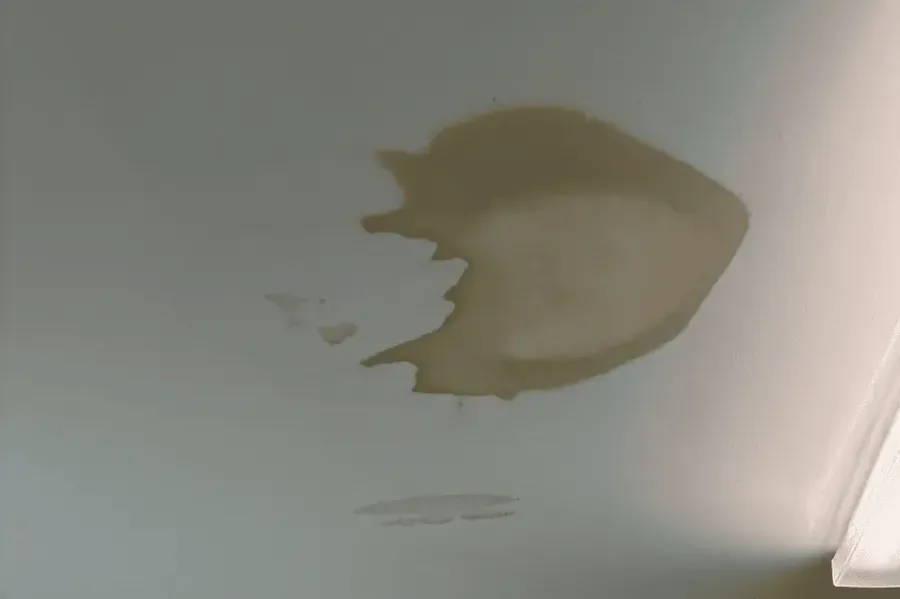
Ceiling Leak Water Damage
An overhead stain needs source tracing before a patch or fresh paint conceals wet material.
Service details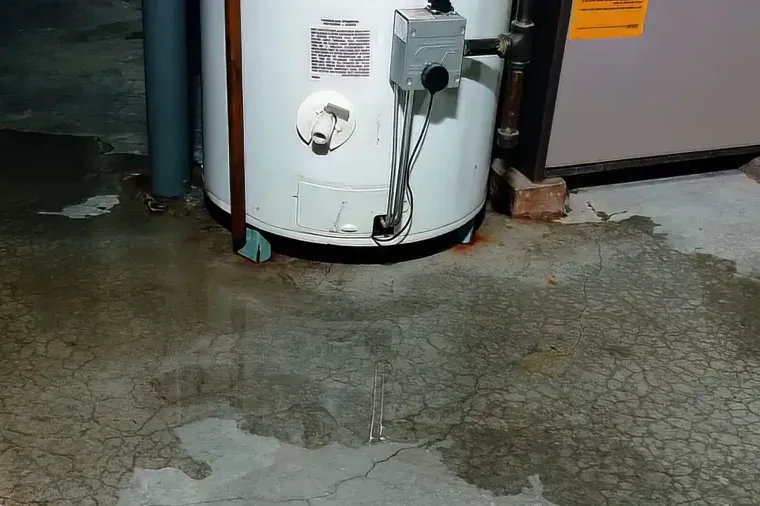
Water Heater Leak Cleanup
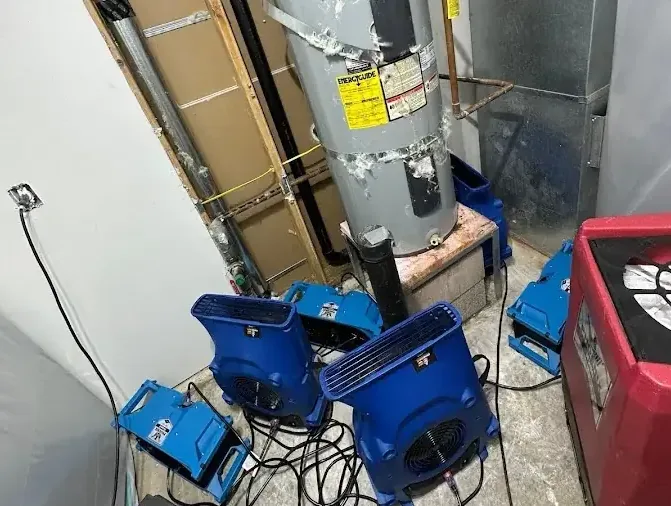
Water escaping a heater can soak the surrounding platform and adjacent closet or garage finishes.
Service details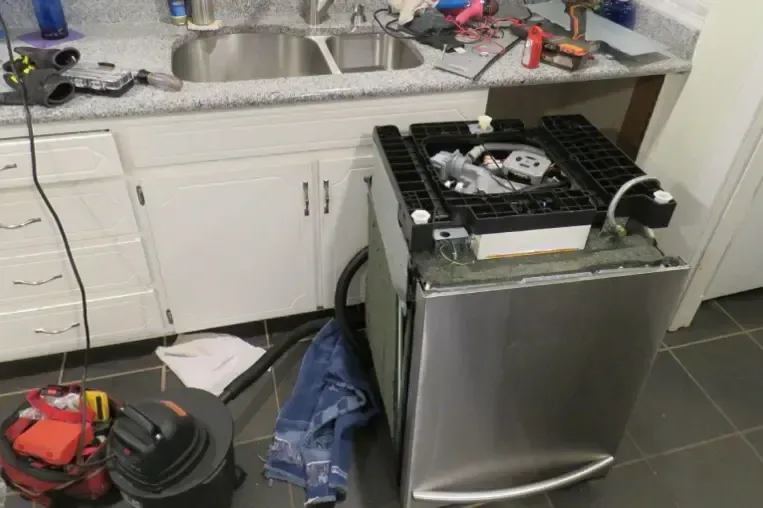
Appliance Leak Water Damage
Leaks behind appliances often leave cabinet bases wet even after the kitchen floor looks clear.
Service details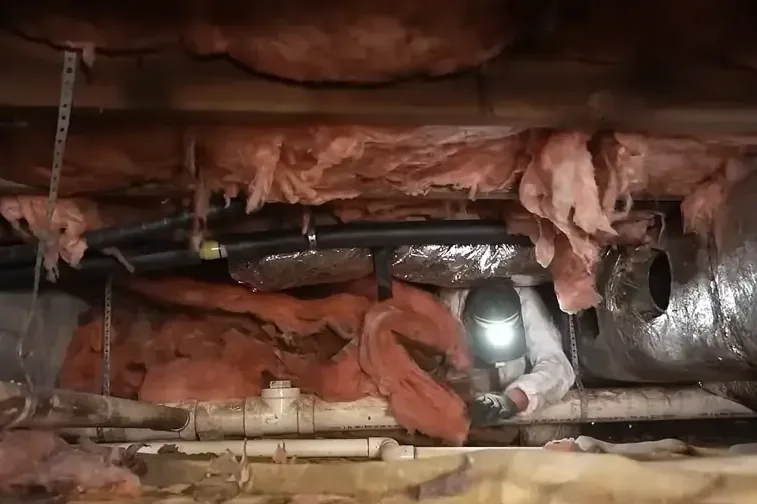
Crawl Space Water Removal
Underfloor pooling requires safe access and an inspection of insulation, supports and the floor above.
Service details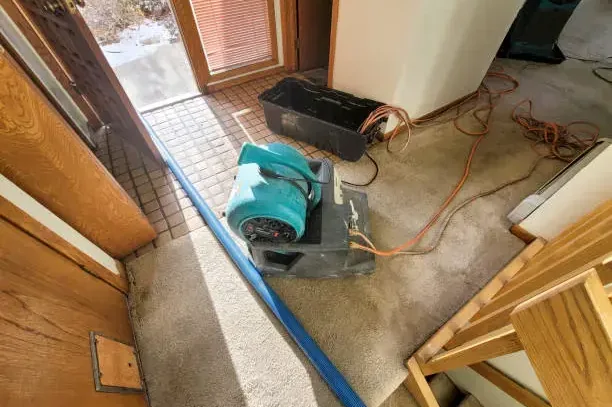
Structural Drying and Dehumidification
Material readings track drying progress before damaged finishes are repaired or replaced.
Service details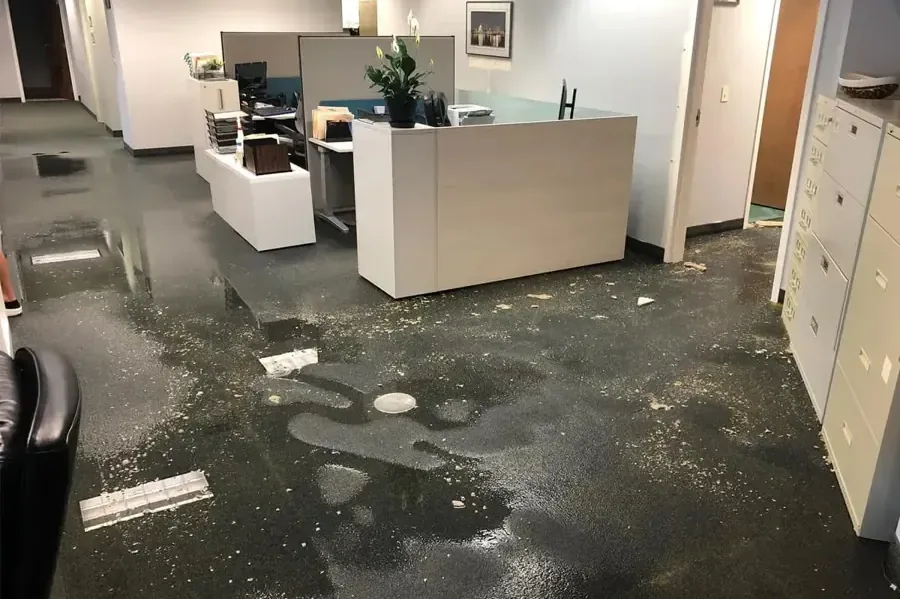
Commercial Water Damage
Business cleanup must account for access, contents and affected work areas alongside the water damage.
Service detailsFollow water beyond its first puddle
Source separated
Plumbing repair and water damage recovery are distinct tasks. The work description should identify who stops the leak and who handles the wet building materials.
Materials considered
A soaked cabinet base needs a different decision from a washable hard surface. Removal and retention should reflect contamination, swelling and access for effective drying.
Progress recorded
Moisture readings provide a way to track recovery inside the affected area. Equipment placement can change as exposed surfaces dry and concealed pockets become apparent.
Handover explained
The final account should distinguish completed cleanup from reconstruction still required. Owners can then arrange replacement finishes with a clearer understanding of the remaining work.
Equipment selected for the affected materials
- Map affected surfaces
Inspect the wet room and adjoining construction, recording moisture patterns that help distinguish the obvious puddle from water absorbed into hidden edges and cavities.
- Remove excess water
Extract accessible water and address damaged materials that obstruct drying. The method should reflect contamination and the condition of the surfaces receiving the work.
- Manage the drying space
Place equipment for the actual wet materials, control humidity and maintain suitable access. Avoid sending air through dirty cavities or spreading debris into occupied rooms.
- Check before closure
Compare later readings with the drying targets and inspect retained materials. Explain any remaining repair needs before flooring, trim or wall finishes conceal the assembly.
What can Acton water damage cleanup cost?
A planning range depends on the amount of water, affected construction and contamination. A room with accessible wet surfaces differs from water trapped beneath several finishes. An inspection should connect the proposed cost to specific removal and drying tasks.
Limited wet area
- Accessible surface recovery
- Contained material contact
- Focused drying equipment
Connected room damage
- Several affected surfaces
- Selective cavity opening
- Broader moisture monitoring
Extensive building recovery
- Complex water migration
- Wider material removal
- Coordinated drying zones
These ranges support early planning. The written scope should state what cleanup includes and separate source repairs, replacement finishes and other work requiring an additional estimate.
A drying plan should have an endpoint
Equipment is part of recovery, but measurements determine its progress. The assessment should define wet areas, identify materials that can remain and explain the conditions required before replacement finishes cover the building again.
Document the loss as it develops
A clear record helps explain what happened and what work followed. Coverage decisions belong to the insurer and depend on the policy and circumstances of the loss.
- Photographs before damaged materials are removed
- Notes describing the first visible water
- Receipts for emergency protection and cleanup
- An inventory of affected household belongings
- Written estimates and later moisture records
When the owner funds the work
An owner paying directly can request a scope organized around immediate containment, necessary removal and drying. Separating these tasks makes it easier to understand the cost before cosmetic repairs begin.
Ask which items can remain, which require disposal and which need another trade. Keep the final drying record with repair invoices so later work starts with a documented account of the damage.
Water source changes the response
Fresh supply release
A supply leak still requires prompt removal and inspection. Time, contact with dirty surfaces and concealed spread can complicate what began as a limited spill.
Explore water removalEquipment discharge
Appliance water may carry detergent or food residue. The assessment should include the appliance recess and the flooring that continues beneath adjacent cabinets.
Inspect appliance damageWastewater intrusion
Sewage contact calls for restricted entry and deliberate handling of porous contents. Keep the affected room isolated while cleanup and disposal requirements are assessed.
Understand contaminated cleanupMake the first decisions from dry ground
- Keep the wet area clear
Keep occupants outside rooms with standing water, loose ceiling material or an uncertain electrical condition until safe access is established.
- Control a reachable water source
An accessible supply valve may stop an active plumbing leak. Avoid entering water or reaching around electrical equipment to find a shutoff that cannot be approached safely.
- Record the visible spread
Photograph the source area and adjoining spaces from a safe position. Include damaged belongings and keep an approximate account of when the water first appeared.
- Leave trapped water to assessment
Do not lift heavy wet flooring or puncture a bulging ceiling. Those actions can release water suddenly and expose hidden hazards within the affected assembly.
- Describe access and occupancy
Provide the property location, affected rooms and any blocked entrances. Mention whether occupants can remain elsewhere while the wet portion of the building is evaluated.
Access details make an assessment more useful
Acton is an unincorporated community in Los Angeles County. Provide the property location and describe the affected structure, including whether the wet area is inside the dwelling or another building.
Mention gates, locked rooms, unsafe flooring and any entrance that water has blocked. Those details help organize an assessment while keeping occupants away from areas that require closer inspection.
Acton, CA · [email protected]
Describe the building location
Local roads and community landmarks
Local ZIP code
Additional town pages
Indoor damage has several possible starting points
Acton lies between the Sierra Pelona Mountains and the San Gabriel Mountains. Its valley homes and surrounding mountain properties need water damage decisions based on the affected building and the actual water source.
August 3, 2017: A summer flash flood damaged local homes and businesses, left mud and debris, flooded roads and eroded railway track around a Metrolink train in the community.
- Water with sediment
The documented summer flood carried mud through the community. When sediment enters a building, cleanup must address dirty surfaces and saturated materials before equipment begins circulating air.
- Spaces beneath finishes
A floor can look clearer after extraction while its underlayment remains wet. Inspection should follow seams, room edges and other places where water could have traveled unseen.
- Separate property structures
Valley ranch-style housing includes equestrian facilities. Describe which structure is affected so inspection and access decisions match the dwelling, storage area or other building involved in the loss.
- Water service identification
Waterworks District 37 is associated with the community. Identify the service connection at the actual property when arranging source repair, and keep that task distinct from interior water recovery.
- Occupancy and belongings
Owner and renter households are both present locally. Record who can authorize access and explain affected belongings so cleanup planning accounts for the people using the damaged space.
Questions before water recovery begins
Explain what is wet now
Describe the source, the rooms involved and any access hazard so the first conversation focuses on the actual damage.
(888) 774-9605Talk through the affected roomsWhat information helps during the first conversation?
The most useful details are the source of the water, whether it is still entering and the rooms involved. Mention standing water, an unstable ceiling or sewage contact. Describe safe access without entering a hazardous room to gather more information.
Can a floor remain wet after the puddle disappears?
Yes. Water can remain beneath flooring, inside cabinet bases and along wall edges. The technician checks these concealed layers for retained moisture and records the affected areas. Moisture assessment helps decide whether accessible drying is enough or whether a particular finish needs opening.
Does every wet building need the same equipment?
Equipment selection depends on the affected materials and the moisture load. A small exposed wall section differs from several enclosed assemblies. The drying plan should explain the purpose of the equipment and how readings will be used to judge progress.
Should occupants remove soaked belongings immediately?
Move unaffected items only when there is a safe, dry route. Heavy saturated contents, sewage contact and electrical hazards call for a different approach. Photograph affected belongings before disposal and discuss handling with the cleanup provider and the insurer when applicable.
How should a rental property loss be reported?
Notify the property manager or owner promptly and describe the affected rooms. Keep photographs and written communication. Access authorization, appliance repair and responsibility for damaged contents may involve different parties, so those decisions should be clarified before unnecessary disposal occurs.
Does cleanup include fixing the leaking pipe?
The work description should distinguish stopping the leak from recovering the wet building. A plumbing repair may need a separate provider or estimate. Drying should be coordinated with source control so repaired finishes are not exposed to another release of water.
What makes floodwater cleanup different from a supply spill?
Water entering from outdoors can deposit sediment and contaminants across floors and contents. The response may require controlled removal and cleaning before drying. A supply spill also needs assessment, but its path, contact surfaces and duration determine the appropriate treatment.
When is repainting a stained wall appropriate?
Repainting belongs after the source has been corrected and the affected materials have been assessed. A coating can hide a stain without resolving trapped moisture. Damaged material may need replacement, and retained surfaces should meet the drying targets before finishing begins.
What records should remain after equipment is removed?
Keep the scope, invoices, photographs and available moisture records together. The closing description should identify the areas treated and any remaining repairs. That record helps the owner understand what was completed and gives the next contractor useful information about the affected construction.
Turn the visible damage into a clear work plan
Describe the wet areas and source so containment, cleanup and drying can be discussed in a practical order.
(888) 774-9605Arrange an assessment conversation