Storm Flood Cleanup in Newhall, CA
Newhall cleanup pros assess outdoor water entering buildings, remove contaminated materials and dry the remaining structure after safe access and source conditions allow work. Storm-loss dispatch is available 24/7.
(888) 774-9605Discuss indoor storm water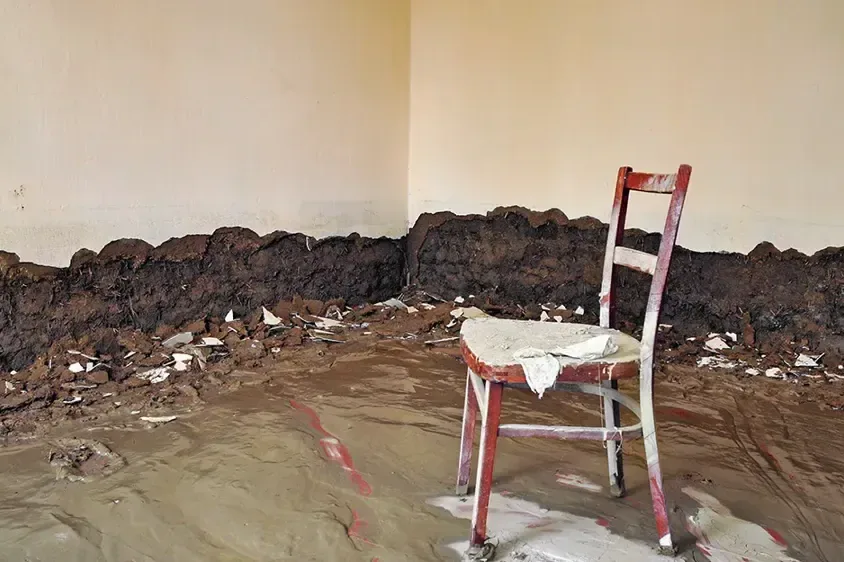
The essentials of storm flood cleanup
Rapid local response
Storm water can continue entering while weather and drainage conditions change. The 24/7 assessment focuses on access and ongoing entry, then establishes a practical sequence for indoor cleanup.
IICRC S500 drying standard
Outside water requires category-aware decisions before drying. The crew evaluates contaminated layers and exposed assemblies instead of placing fans across mud, soaked padding or uncleared debris.
Claim-ready documentation
Entry photographs, sediment observations and removed-material records help preserve the cause and scope. Drying logs add the evidence needed to distinguish cleanup from later repair or replacement.
Local water experts
The rainy winter climate makes source and entry-path inspection useful when water appears indoors. Each building receives an entry-path survey tailored to its observed thresholds, walls and floor construction.
What to do after storm flood cleanup
- Stay outside unsafe water
Occupants do not cross moving water or enter an electrically uncertain wet room. Emergency instructions and a safe access assessment come before property cleanup.
- Photograph actual entry
Images from a secure position preserve thresholds, water marks and debris. The owner notes which spaces received outside water without guessing the hidden extent.
- Keep contaminated contents separate
Wet items stay out of clean living areas until assessed. Moving muddy rugs or boxes through the home can spread contact beyond the flooded room.
- Avoid sealing damp finishes
Replacement flooring and paint wait for cleanup and moisture verification. Closing a cavity early can hide residue and retained water behind a finished surface.
What does storm flood cleanup cost in Newhall, CA?
Indoor storm flood cleanup commonly ranges from $2,500 to $10,000, with broad contamination or multiple assemblies exceeding $15,000. Sediment, porous removal, access and the remaining drying load shape the cost.
Limited indoor entry
$2,500 to $5,000
- Water and sediment removal
- Focused cleaning
- Initial structural checks
Several affected rooms
$5,000 to $10,000
- Porous-material disposal
- Controlled debris routes
- Expanded drying equipment
Extensive assembly contact
$10,000 to $18,000
- Complex cavity access
- Staged cleaning areas
- Detailed drying verification
Category, wet square footage, material class and delay before drying affect the scope. These are typical ranges, not a quote. Compare inputs in the Newhall water damage cost calculator.
How storm flood cleanup progresses
Assess safe entry
The response team considers electrical hazards, unstable materials and ongoing outside water before work starts. The record identifies the observed entry route and the spaces that cannot yet be accessed.
Remove water and residue
The cleanup crew extracts standing water, handles sediment and evaluates contaminated finishes. Controlled movement of debris preserves separation between affected rooms and clean portions of the property.
Clean exposed assemblies
Technicians address recoverable surfaces after removal exposes the contact path. The scope identifies inaccessible areas or materials requiring further evaluation before the drying equipment can work effectively.
Dry the remaining structure
The drying team follows moisture trends in framing, concrete and adjoining finishes. Final records connect the cleanup decisions with material readings, giving repair work a documented starting condition.
The region's mild, rainy winters bring a different water pattern from its hot, dry summers. A building on Main Street, near Sierra Highway or around William S. Hart Park still needs its own entry-path assessment. The Santa Clara River is part of the regional setting; the inspection identifies the building’s actual water contact. The contractor documents where water actually entered and what it contacted indoors.
Separate rising runoff from a roof-source leak
Outside water crossing a threshold can carry soil and contaminants through floor coverings and wall bottoms. Water descending from a roof follows a different route and requires its own source evaluation. The assessment records the observed entry, depth evidence and affected materials instead of treating every rainy-day loss as identical. More than one route can occur during the same storm.
- Photos preserve the entry point, sediment and water marks before cleaning changes the evidence.
- The crew checks concealed contact beneath floor edges and behind lower wall finishes.
- Contaminated porous materials receive removal decisions before air movement begins.
- Electrical and structural concerns control when occupied areas can safely be entered.
Cleaning comes before the drying setup
A pump removes free water but leaves residue and absorbed moisture behind. The cleanup team removes affected porous layers and cleans recoverable surfaces using a category-appropriate method. Mud in a cavity or beneath a cabinet cannot be resolved by lowering room humidity alone. Controlled debris handling keeps cleaned areas from becoming contaminated again as work progresses.
After cleaning, the drying contractor sizes airflow and dehumidification for the remaining materials. Winter indoor conditions, building enclosure and dense finishes can all affect progress. Structural drying verifies the assembly, while roof leak water damage addresses water descending from the building envelope.
Outside water brings a cleanup question as well as a drying question. The response team documents contact, safe access and the materials that need removal before equipment starts.
(888) 774-9605Review the storm entryRecord cause, cleanup and recovery separately
A useful loss file distinguishes outdoor flooding from a supply release or a roof opening. The owner keeps storm photographs and source observations; the contractor adds removal details, cleaning work and material readings. The insurer then evaluates the relevant policy or flood coverage. The mitigation team does not decide whether a storm label alone makes a loss covered.
Ready.gov flood precautions explain why moving or electrically hazardous water is unsafe. USGS California storm history provides regional context. The cleanup plan follows the entry route, sediment and water contact recorded at the affected property.
Safe access comes first
The response team keeps people away from wet electrical equipment and unstable ceilings. Occupants avoid entering contaminated water or disturbing soaked materials. Source isolation and safe access come before fans, cleaning or demolition, and the restoration assessment records those limits before work starts.
Storm flood cleanup around Newhall
Coverage includes Old Town Newhall, Main Street, Sierra Highway and homes around William S. Hart Park. The service area includes ZIP 91321 and 91322.
Valencia, Stevenson Ranch, Castaic, Canyon Country and Acton are also in the service area.
Related water damage services in Newhall
Storm Flood Cleanup questions in Newhall, CA
Questions before work begins
Outside water brings a cleanup question as well as a drying question. The response team documents contact, safe access and the materials that need removal before equipment starts.
(888) 774-9605Review the storm entryIs all storm damage considered flood damage?
Rain can enter through a roof, a wall opening or ground-level runoff, and those routes may receive different insurance treatment. The contractor records the observed cause and affected materials. The insurer applies the actual policy wording rather than a broad storm description.
Can an owner enter once the water stops rising?
Electrical and structural assessment remain necessary after the water level stabilizes. Wet wiring, contaminated contact and weakened materials can remain after the storm passes. Occupants follow emergency instructions and wait for the appropriate access assessment before entering affected spaces.
Why remove flooring after pumping the room?
Contaminated water can remain beneath a finish or within padding and underlayment. Pumping clears free water but does not clean those layers. The crew evaluates category, contact and material condition when deciding what must leave before drying proceeds.
Does summer heat dry a flooded building?
Warm outdoor air does not clean contamination or prove that enclosed materials have dried. A controlled indoor environment and moisture measurements remain necessary. Dense assemblies and closed cavities can retain water even when exposed surfaces appear dry in hot weather.
What records should be kept before cleanup?
Photos of entry points, sediment, water marks and affected contents preserve conditions that cleaning changes. A discovery timeline and any source information are also useful. The contractor adds removal, treatment and drying records as the work progresses. Keep those records with source photographs and receipts for the claim review.
Does a nearby river mean a home is in a flood zone?
A named river provides geographic context, not a parcel-specific designation. Flood mapping and property conditions require separate verification. Cleanup decisions follow actual indoor water contact and material damage rather than assuming that every nearby building shares the same exposure.
Start with the water that actually entered
The cleanup scope follows runoff contact, residue and hidden moisture through the affected building.
(888) 774-9605Arrange indoor flood assessment