Water Extraction in Castaic
The puddle is only the visible part of a release. Removing it promptly opens the way to checking floor seams, wall bottoms and adjoining spaces for retained moisture.
(888) 774-9605Discuss standing water removal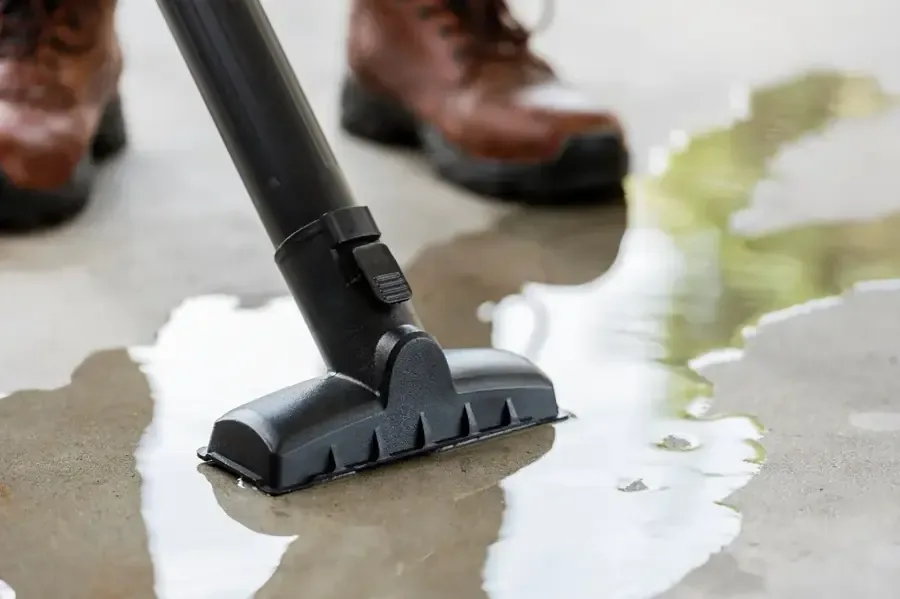
The essentials of water extraction and removal
Removal matched to surfaces
Hard flooring and absorbent coverings release water differently. Equipment selection follows their condition and the amount of accessible liquid present.
Edges included
Thresholds and lower walls receive attention beyond the open puddle, helping define where extraction ends and additional material recovery begins.
Contents considered
Furniture bases and stored items can retain water after floor removal. Their condition is documented before movement changes the affected room.
Next work explained
The owner receives the remaining moisture priorities, making the transition from liquid removal to drying understandable before finish repair planning begins.
What to do after water extraction and removal
- Stay on dry flooring
Avoid crossing standing water to reach a breaker, plug or possession. Describe electrical concerns from a dry area and keep the affected entrance clear.
- Limit incoming water safely
Use an accessible supply shutoff only when its operation is familiar and the route is safe. Otherwise arrange source control through an appropriate professional.
- Show the first wet location
Tell the technician where water initially appeared and which adjacent rooms changed afterward. This sequence helps direct inspection toward connections that may hide moisture.
- Protect reachable dry contents
Shift lightweight dry belongings out of the likely work path. Leave saturated furniture and connected equipment in place until removal can be assessed safely.
What does water extraction and removal cost in Castaic, CA?
Castaic extraction costs reflect the number of wet spaces, access limitations and moisture beneath finishes. The ranges below describe cleanup scale; drying equipment, disposal and source repairs should be identified clearly in the estimate.
Contained room
$500 to $1,500
- Accessible standing water
- Limited floor footprint
- Simple equipment access
Several wet spaces
$1,500 to $3,000
- Connected room spread
- More extraction passes
- Expanded edge inspection
Water beneath finishes
$3,000 to $7,500
- Concealed layer access
- Selective material lifting
- Detailed moisture mapping
Category, wet square footage, material class and delay before drying affect the scope. These are typical ranges, not a quote. Compare inputs in the water damage cost calculator.
How water extraction and removal progresses
Establish a usable work zone
The initial inspection identifies the source, visible spread and immediate access restrictions. Equipment routes are chosen to protect dry surfaces while keeping occupants away from the active removal area.
Remove the accessible liquid
Extraction equipment is matched to the surface and water depth. Repeated passes address absorbent materials, with attention to corners, thresholds and other places where liquid collects during removal.
Trace the remaining moisture
Testing continues beyond the former puddle, including connected finishes and lower wall sections. Materials that remain wet are marked for further access, cleaning or a separate drying setup.
Explain the remaining recovery work
The completion discussion distinguishes removed liquid from moisture still held in building materials. The owner receives the next priorities, including source correction, drying checks and any necessary material removal.
Water lying across a Castaic room can slip beneath a doorway before its source becomes obvious. At a home in Live Oak, the first assessment should follow that movement across connected finishes, including dry looking edges. Extraction reduces the liquid available to soak into materials, but the removal plan also needs to account for electrical exposure, the original source and any debris in the water.
Find the boundary before choosing the tool
A shallow film on a hard surface calls for different handling than water held in carpet and cushion. The technician checks depth, reachable outlets and the path for hoses before bringing equipment through the building. In North Bluffs, a useful access description includes the affected room and any steps or locked doors between that room and the entrance.
- Inspect threshold joints where water can enter a neighboring floor assembly.
- Check furniture bases and stored items that may hold additional liquid.
- Identify fragile finishes before moving hoses or repositioning heavy contents.
- Separate contaminated water concerns from ordinary surface removal during the assessment.
Removal should reveal what still needs attention
Several passes may be needed where an absorbent covering releases water gradually. The operator watches what each pass collects and tests the layers that can be reached. Material readings show whether the floor remains wet after extraction. Moisture beneath trim or inside a wall bottom may require selective access, especially when water remained in contact with the assembly.
For a property around Hillcrest Park, decisions about lifting flooring depend on its actual construction and condition. Material inspection determines whether cleaning and drying are practical. The structural drying service explains how that next stage tracks moisture after accessible liquid has been removed.
Standing water deserves a clear removal plan that reaches the hidden edges as well as the open floor. Describe the source and the rooms affected to begin that discussion.
(888) 774-9605Discuss the remaining puddlesConnect extraction with a documented recovery plan
The owner should receive a description of the areas treated and the materials still requiring work. Photographs of wet boundaries, removal openings and affected possessions help make the scope understandable. An unresolved plumbing leak needs separate correction, while dirty outdoor entry may require sediment removal and a broader cleaning approach before equipment starts circulating air.
Finish replacement belongs after the drying assessment. Putting a new covering over a wet substrate can conceal the very area that still needs attention. A practical handoff identifies retained layers, locations for repeat measurements and any spaces that remain inaccessible, allowing subsequent work to focus on the building rather than just the vanished puddle.
Safe access comes first
The response team keeps people away from wet electrical equipment and unstable ceilings. Occupants avoid entering contaminated water or disturbing soaked materials. Source isolation and safe access come before fans, cleaning or demolition, and the restoration assessment records those limits before work starts.
Water extraction and removal around Castaic
Extraction assessments are available for properties in Live Oak, North Bluffs and Hillcrest Park, with access arrangements and affected floor levels discussed before the visit.
The same service nearby: water extraction and removal in Newhall, Valencia, Stevenson Ranch.
Related water damage services in Castaic
Water Extraction and Removal questions in Castaic, CA
Questions before work begins
Standing water deserves a clear removal plan that reaches the hidden edges as well as the open floor. Describe the source and the rooms affected to begin that discussion.
(888) 774-9605Discuss the remaining puddlesCan a household vacuum remove standing water?
A household vacuum is unsuitable for liquid pickup unless specifically designed for that use, and wet electrical conditions add hazards. Professional removal also includes evaluating the source and checking hidden layers. Stay out of water where electrical safety is uncertain.
Why check an adjacent room that looks dry?
Water can travel underneath continuous flooring or through wall openings before appearing at the surface. An adjacent room may hold moisture at its perimeter while its center looks normal. Testing those connections helps define the removal and drying boundary accurately.
Does extraction always mean lifting carpet?
The water condition, backing, cushion and substrate determine what happens next. Some assemblies permit useful extraction before further decisions; others need removal because of contamination or damage. The assessment should explain which layers can remain and how those layers will dry.
Should furniture be moved before service begins?
Reachable dry items can be moved away from the affected edge. Heavy or saturated pieces need a handling plan because lifting can damage weakened materials or spread water. Photographs and a contents list help document their condition before relocation or disposal.
What happens if water returns after removal?
Returning water points to an unresolved source or an area that continues releasing liquid. Note when and where it reappears, avoid the affected space and arrange reassessment. Additional extraction alone will not solve a supply leak or ongoing outdoor entry.
When can the floor covering be replaced?
Replacement should follow evaluation of the substrate and completion of the required drying. A floor that feels dry underfoot may still contain moisture below its surface. The repair decision should rely on material checks and the requirements of the replacement finish.
A useful next step starts with the wet boundary
Keep electrical concerns and unsafe access in the initial description so the assessment can account for them before equipment placement.
(888) 774-9605Assess removal needs