Crawl Space Water Removal in Newhall, CA
For Newhall buildings with an accessible crawl space, the removal team checks pooled water, contamination and wet underfloor materials before pumping and drying. Crawl-space loss assessment is available through 24/7 dispatch.
(888) 774-9605Review the water beneath the floor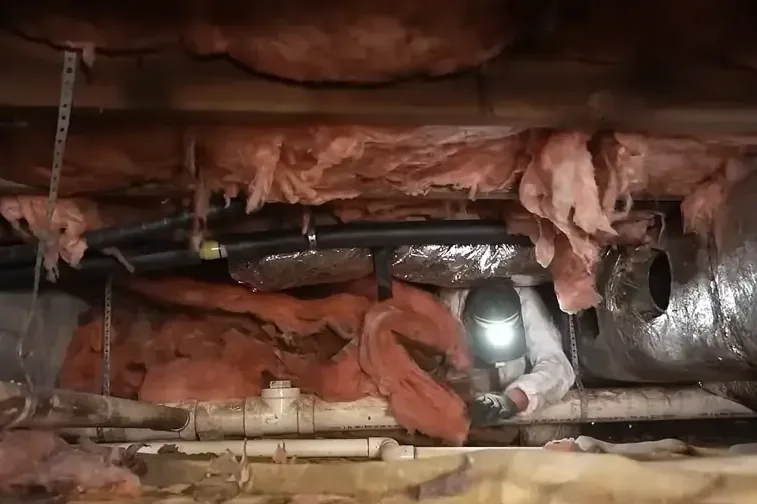
The essentials of crawl space water removal
Rapid local response
Water beneath a floor can remain hidden while materials overhead absorb moisture. The 24/7 assessment begins with access and source conditions so removal proceeds in a safe and useful order.
IICRC S500 drying standard
The drying team measures wood and checks the underfloor environment. Pumping clears free water, while a separate drying plan addresses moisture held in joists, subfloor and other remaining materials.
Claim-ready documentation
Concealed work needs clear records. Photos, locations and material readings show why insulation leaves, where equipment operates and which parts of the space still need attention.
Local water experts
Crawl-space cleanup starts with the space beneath the floor: its entry opening, standing water, utilities and affected materials. Each property receives an access and construction assessment before the contractor selects removal and drying methods.
What to do after crawl space water removal
- Keep the access opening clear
The owner makes the hatch location known without entering the wet space. Stored items move only from a safe area above or outside the opening.
- Do not crawl through pooled water
Wet wiring and uncertain contamination can make entry hazardous. The response assessment determines the appropriate access method before anyone goes beneath the floor.
- Limit the known source
A safely accessible supply valve can reduce an active plumbing release. A drain backup or water entering from outside needs source tracing before pumping begins.
- Describe changes upstairs
New floor softness, odors or visible damp edges help direct the survey. The technician uses those symptoms to direct source investigation and underfloor material measurements.
What does crawl space water removal cost in Newhall, CA?
Crawl space water removal and drying often range from $1,500 to $6,000, with contamination or difficult access reaching $10,000 or more. Clearance, wet insulation, water source and the underfloor drying load affect labor.
Accessible limited pooling
$1,500 to $3,000
- Safe-access assessment
- Pumping and extraction
- Initial wood readings
Wet insulation and framing
$3,000 to $6,000
- Selective material removal
- Underfloor equipment setup
- Repeated moisture checks
Complex or contaminated space
$6,000 to $11,000
- Controlled debris handling
- Restricted-access labor
- Expanded cleaning and drying
Category, wet square footage, material class and delay before drying affect the scope. These are typical ranges, not a quote. Compare inputs in the Newhall water damage cost calculator.
How crawl space water removal progresses
Inspect the entry conditions
The response team confirms the foundation space, identifies the source and evaluates clearance, electrical concerns and contamination. The scope records any access limit before removal equipment or personnel enter.
Remove accessible water
Pumping and extraction address pooling while source repair proceeds through the appropriate trade. The crew documents water that cannot yet be reached and materials obstructing effective removal or inspection.
Address wet underfloor layers
Category and condition determine insulation and debris handling. The drying plan then targets remaining joists and subfloor, accounting for airflow routes and humidity rather than relying on an open hatch.
Verify across the space
Readings from multiple affected locations show whether the concealed assembly improves consistently. The final handoff records remaining source concerns, inaccessible portions and material condition separately from completed water removal.
A building with a crawl space needs an underfloor assessment that begins at the access opening and follows the water into the assembly. Properties near Heritage Junction, Sierra Highway and William S. Hart Park require an individual underfloor inspection. The crew verifies the access opening, water source and affected materials before describing the removal scope. The underfloor inspection traces dampness to the affected materials and checks the source.
Safe entry comes before underfloor extraction
A crawl space can combine restricted movement, wet wiring, damaged insulation and an uncertain water source. The assessment determines whether entry is appropriate and what work conditions require specialist attention. The household should not crawl into standing water to locate a leak. Photographs taken safely from the opening give the technician a starting point for planning a closer underfloor inspection.
- The technician identifies whether water comes from a supply release, drain or outside entry.
- The scope notes electrical exposure, limited clearance and unsafe access conditions.
- Wet insulation and debris receive category-specific removal decisions.
- The moisture survey checks joists and subfloor above the visible pooling.
Pumping alone does not dry the floor assembly
Removing free water reveals the remaining load in wood, insulation and other materials. An unresolved pipe leak or recurring outside entry can refill the space, so source control remains part of the coordination. The restoration contractor distinguishes immediate water removal from drainage or plumbing repairs that require a separate scope.
Airflow beneath a floor needs a planned route, and outside ventilation is not automatically the right drying method. The team considers indoor and underfloor humidity, access and material response. Dehumidification helps manage released moisture where conditions permit. Sewage cleanup changes the handling of contaminated contact, while structural drying tracks the remaining wood assembly.
Underfloor pooling can leave the room above looking unchanged. The assessment confirms the source, safe entry and wet materials before pumping and framing measurements begin.
(888) 774-9605Discuss the underfloor conditionsDocument what the owner cannot readily see
Underfloor photographs, a simple location sketch and repeated readings make concealed work reviewable. The file should identify water removal, discarded insulation, remaining access limits and the condition of framing. The technician checks the far side of the space as well as the hatch, recording readings at each accessible wet area.
EPA moisture information supports attention to concealed dampness. CDC flood safety information describes exposure concerns when water and contamination affect a building. The on-site assessment determines whether and how the crawl space can be entered; general information cannot certify safe access.
Safe access comes first
The response team evaluates restricted entry, wet wiring and uncertain contamination before underfloor work. Occupants remain outside the crawl space and avoid handling soaked insulation. A clear hatch does not make the entire space safe; access conditions must support the removal and drying method.
Crawl space water removal around Newhall
Coverage includes Old Town Newhall, Main Street, Sierra Highway and homes around William S. Hart Park. The service area includes ZIP 91321 and 91322.
Valencia, Stevenson Ranch, Castaic, Canyon Country and Acton are also in the service area.
Related water damage services in Newhall
Crawl Space Water Removal questions in Newhall, CA
Questions before work begins
Underfloor pooling can leave the room above looking unchanged. The assessment confirms the source, safe entry and wet materials before pumping and framing measurements begin.
(888) 774-9605Discuss the underfloor conditionsDoes every local house need crawl space inspection?
The service applies only where a crawl space exists and conditions suggest water involvement. The assessment identifies the building’s foundation and access conditions on site. The technician confirms the construction and safe access before recommending an underfloor removal scope.
Can an owner pump the water from inside the space?
Restricted access, wet electrical components and uncertain water category can make entry unsafe. The household stays out of pooled water and describes the conditions from a safe position. The appropriate professional evaluates entry and equipment placement before removal begins.
Why remove wet insulation after pumping?
Insulation can retain water, obstruct inspection and hold moisture against wood. Contamination and material condition affect whether it can remain. The contractor documents that decision and the extent of removal before setting the drying plan for the exposed assembly.
Will opening vents dry the joists?
Ventilation is not a universal solution because outside air conditions and access vary. The drying team evaluates humidity and material response, then establishes useful airflow and dehumidification where needed. Repeated readings determine whether the chosen setup is actually drying the wood.
Does this service repair drainage around the home?
Immediate extraction and structural drying differ from permanent drainage correction. A recurring outside-water source may require separate assessment and repair. The mitigation scope should identify that limitation so successful pumping is not mistaken for resolution of the underlying entry problem.
What proves the hidden space is dry?
A documented set of material readings across affected locations is more useful than one dry patch near the opening. The contractor records the drying trend, reference conditions and inaccessible areas. Those details support the repair handoff without hiding limitations of the inspection.
Bring concealed underfloor water into the scope
The removal team documents access, extraction and drying progress across the affected crawl space.
(888) 774-9605Arrange an underfloor water review