Water Extraction in Newhall, CA
The extraction crew removes standing water in Newhall homes and businesses, checks the wet perimeter and prepares affected rooms for controlled drying. Emergency dispatch operates 24/7.
(888) 774-9605Get pooled water moving out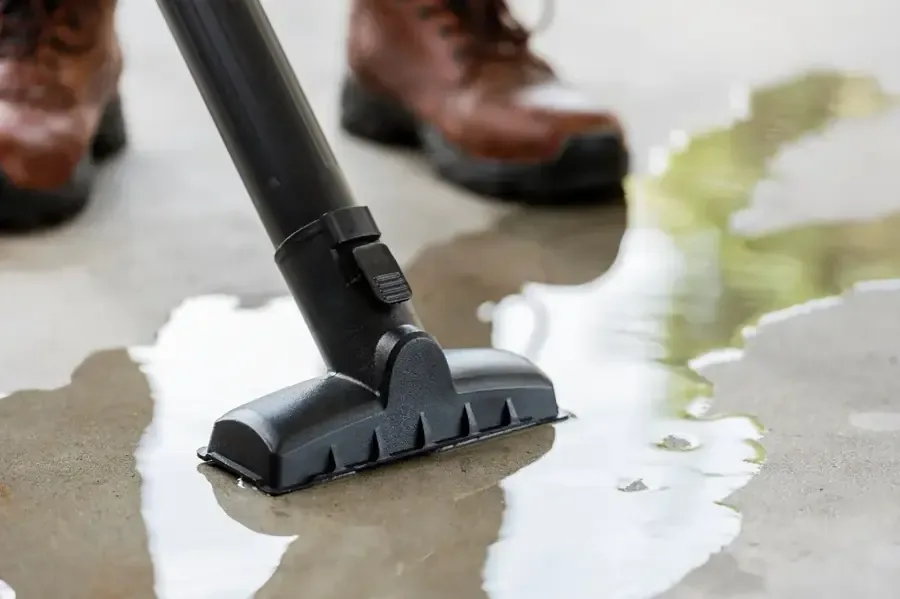
The essentials of water extraction and removal
Rapid local response
Active pooling receives urgent attention through 24/7 dispatch. The initial assessment prioritizes ongoing flow, unsafe access and water approaching previously dry rooms before cosmetic damage.
IICRC S500 drying standard
Extraction reduces the load that dehumidifiers must handle. The drying team uses material readings and indoor conditions to decide what equipment follows water removal.
Claim-ready documentation
The loss record distinguishes visible water, affected assemblies and removed materials. Clear photographs and room measurements help explain the extraction scope to the property owner and adjuster.
Local water experts
Old Town combines homes with stores and restaurants. Access planning respects occupied spaces and business contents while the assessment follows the actual water path through each property.
What to do after water extraction and removal
- Keep feet out of unsafe water
Occupants stay clear of wet outlets, cords and unstable surfaces. Electrical assessment comes before carrying pumps or vacuums into the affected area.
- Stop additional flow safely
A reachable supply valve may limit the loss. The household avoids crossing standing water to reach a shutoff or an electrical panel.
- Preserve a clear record
Photos from a dry location document water depth, affected contents and the original spread before items move or extraction changes the scene.
- Report the wet footprint
The first conversation identifies affected rooms, visible contamination and access restrictions so the extraction assessment begins with the right conditions in view.
What does water extraction and removal cost in Newhall, CA?
Water extraction commonly falls around $500 to $3,000 for a contained loss; broader saturation with removal and drying can reach $3,000 to $7,500. Water category, access and retained moisture set the scope.
Contained room
$500 to $1,500
- Standing water removal
- Accessible flooring
- Initial moisture survey
Several wet spaces
$1,500 to $3,000
- Repeated extraction passes
- Multiple floor materials
- Drying setup assessment
Water beneath finishes
$3,000 to $7,500
- Selective material access
- Expanded extraction labor
- Measured drying support
Category, wet square footage, material class and delay before drying affect the scope. These are typical ranges, not a quote. Compare inputs in the Newhall water damage cost calculator.
How water extraction and removal progresses
Survey the spread
The technician traces wet surfaces into adjacent rooms, compares readings with unaffected material and records whether the source continues to supply water. Access and contamination guide the sequence.
Remove bulk water
The extraction team chooses pump and vacuum equipment for depth, surface and access. Detailed passes follow bulk removal so water does not remain trapped beneath recoverable finishes.
Expose retained moisture
The drying crew checks padding, cabinet bases and wall bottoms. Materials that obstruct drying or require disposal receive a documented removal scope before equipment placement proceeds.
Measure the handoff
The restoration record captures the extracted area, remaining wet materials and drying goals. Follow-up readings show whether conditions improve or whether another hidden pocket needs attention.
A puddle shows only the water that has not yet entered materials. The extraction crew checks baseboards, door thresholds and the underside of flooring before deciding where removal starts. Main Street shop access and merchandise can complicate that first assessment. Properties by Newhall Avenue also need an entry route that keeps equipment clear of occupied rooms. Around William S. Hart Park and Veterans Historical Plaza, household contents and adjoining rooms need the same attention to safe access.
Water removal reaches beyond the visible puddle
Portable extractors reach tight rooms, while larger equipment handles accessible water volumes. The technician selects the tool for the surface instead of dragging one attachment across carpet, tile and delicate finishes. Repeated passes can remove retained water from suitable carpet, but damaged backing or contaminated padding may require removal. The technician checks subfloor moisture after the open surface clears.
- The assessment marks the wet boundary at cabinets, partitions and transitions between floor materials.
- Extraction passes target low spots and water trapped at carpet seams or pad edges.
- The crew records materials that cannot be reached without lifting or opening a finish.
- The drying plan accounts for wet cavities as well as the visible room footprint.
Source control and extraction have different jobs
A shutoff stops new supply water; extraction removes water already inside. The restoration team checks whether a plumber or utility has controlled the source before relying on drying equipment. A drain backup or outdoor runoff changes the cleanup category and the materials that can remain. The sewage cleanup assessment addresses contaminated contact, while structural drying manages retained moisture after removal.
The hot, dry summer pattern here does not make a closed cabinet or wet pad self-drying. Indoor humidity, material depth and air access determine the next step. The crew measures these conditions rather than opening windows by habit.
Water crossing a threshold or soaking a second room needs a clear extraction scope. The response team reviews the source, access and wet materials before removal starts.
(888) 774-9605Discuss the pooled waterRecords explain what the extraction accomplished
Pre-removal photos, room sketches and initial readings preserve the difference between standing water and absorbed moisture. Follow-up measurements identify areas that still need drying or selective removal. The claim file separates extraction labor from equipment days and rebuilding. The insurer evaluates coverage under the actual policy; a dry-out record supports the facts without deciding coverage.
The EPA moisture information explains why hidden dampness matters. For water entering from outdoors, Ready.gov flood information supports safe access decisions. Neither source replaces an on-site evaluation of electrical hazards, contamination or the condition of the floor assembly.
Safe access comes first
The response team keeps people away from wet electrical equipment and unstable ceilings. Occupants avoid entering contaminated water or disturbing soaked materials. Source isolation and safe access come before fans, cleaning or demolition, and the restoration assessment records those limits before work starts.
Water extraction and removal around Newhall
Coverage includes Old Town Newhall, Main Street, Sierra Highway and homes around William S. Hart Park. The service area includes ZIP 91321 and 91322.
Valencia, Stevenson Ranch, Castaic, Canyon Country and Acton are also in the service area.
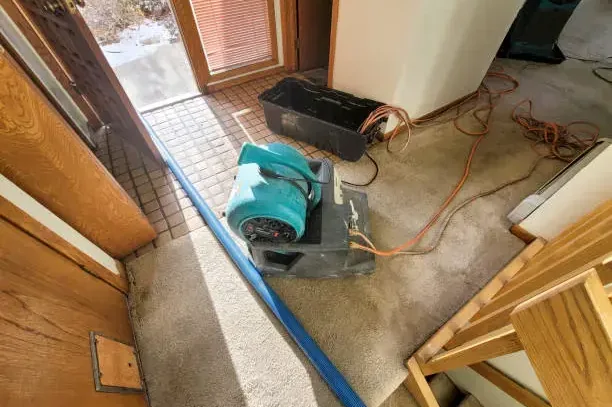
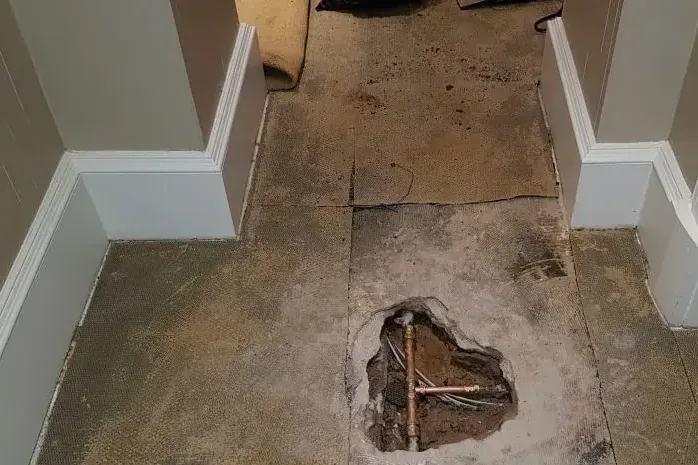
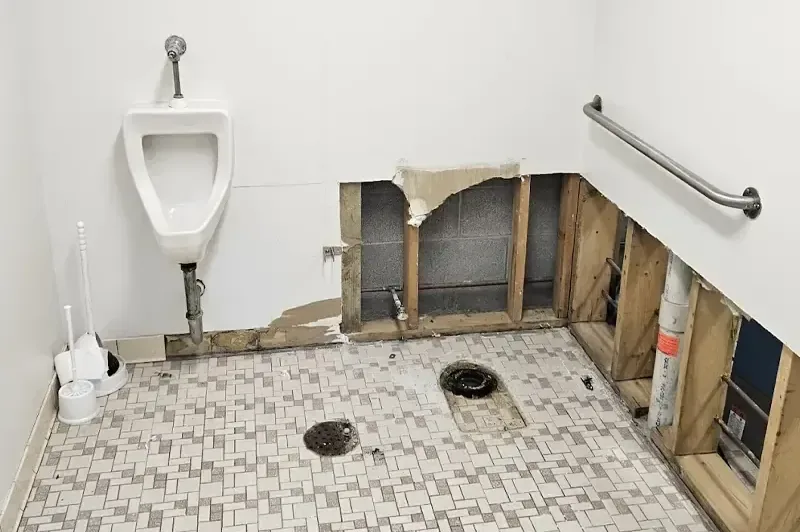
Related water damage services in Newhall
Water Extraction and Removal questions in Newhall, CA
Questions before work begins
Water crossing a threshold or soaking a second room needs a clear extraction scope. The response team reviews the source, access and wet materials before removal starts.
(888) 774-9605Discuss the pooled waterDoes extraction finish the restoration?
Extraction removes bulk water but leaves moisture inside absorbent materials. The drying team checks wood, drywall, pad and enclosed spaces before deciding what must dry or come out. Equipment removal follows material readings rather than the absence of puddles.
Can household equipment handle a wet carpet?
A small household vacuum is not a substitute for water extraction equipment, and electrical exposure makes improvised cleanup dangerous. Saturated padding can hold substantial water beneath a surface that looks manageable. The assessment considers water category and backing condition before recovery.
Why does water reappear after a first pass?
Water may drain from padding, travel from an adjoining room or continue entering from an unresolved source. The crew distinguishes those causes with repeat measurements and source checks. Additional passes help only when the underlying reason for the returning water receives attention.
Does hot weather make drying equipment unnecessary?
Outdoor warmth does not show the humidity inside a wall or beneath flooring. Closed rooms and wet assemblies can retain moisture despite a dry afternoon. Dehumidification and controlled airflow address the indoor environment while instruments track the material response.
What determines extraction cost?
Wet area is only one factor. Water category, access, floor construction, extraction effort and the time before work begins all affect labor and removal needs. The written scope should identify those drivers and separate later repairs from mitigation.
What belongs in the insurance record?
Useful records include source information, initial photos, affected rooms, moisture readings and the work performed. The contractor documents observed conditions and equipment use. Coverage, deductibles and exclusions depend on the policy and the insurer, including separate treatment of outside flooding.
Get standing water out of the living space
The extraction team removes accessible water and identifies the moisture that still needs controlled drying.
(888) 774-9605Start the room assessment