Sewage Backup Cleanup in Newhall, CA
The cleanup team treats sewage in Newhall as Category 3 water from the start, separates the affected area and removes contaminated porous materials before cleaning and controlled drying. Dispatch operates 24/7.
(888) 774-9605Arrange safe backup cleanup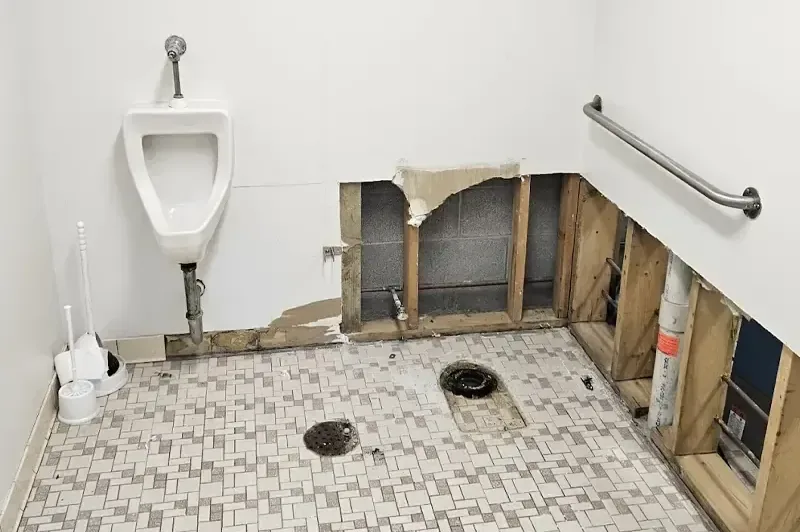
The essentials of sewage backup cleanup
Rapid local response
A sewage backup needs urgent isolation before routine household or business traffic spreads contact. The 24/7 dispatch process starts with access, ongoing discharge and the spaces that must remain unused.
IICRC S500 drying standard
Category and material condition shape the plan before equipment placement. The drying team treats cleanup as a prerequisite and verifies moisture in the remaining structure after contaminated layers leave.
Claim-ready documentation
The contractor records why porous materials require removal, which surfaces receive treatment and how the wet boundary changes. Clear records preserve conditions that disappear during cleaning and disposal.
Local water experts
The mix of shops, restaurants and homes around Old Town calls for careful access planning. Occupied neighboring spaces remain separate from debris movement and equipment handling during cleanup.
What to do after sewage backup cleanup
- Keep the affected area unused
People and pets remain outside the contaminated space. The household avoids carrying rugs, toys or shoes through clean rooms after sewage contact.
- Stop sending water to the drain
Connected fixture use can worsen a backup. The plumbing assessment identifies the restriction and checks whether additional discharge continues entering the affected area.
- Avoid improvised air movement
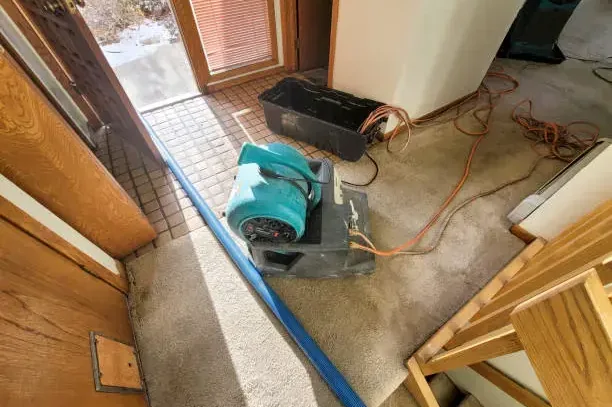
Fans can spread contamination from wet materials. The cleanup team decides when airflow is appropriate after removal and cleaning have established a safer drying area.
- Photograph from a clean position
The owner records visible spread without stepping into sewage. The contractor documents concealed contact and discarded materials as controlled removal exposes the affected assembly.
What does sewage backup cleanup cost in Newhall, CA?
Sewage cleanup often ranges from $2,000 to $8,000; extensive contaminated materials and difficult access can push the scope beyond $12,000. Removal, containment, cleaning and drying drive cost separately from drain repair.
Contained fixture backup
$2,000 to $4,000
- Controlled extraction
- Limited porous removal
- Hard-surface cleaning
Multiple wet rooms
$4,000 to $8,000
- Expanded containment
- Contaminated debris handling
- Structural moisture checks
Extensive contamination
$8,000 to $15,000
- Complex access routes
- Broader material disposal
- Staged cleanup and drying
Category, wet square footage, material class and delay before drying affect the scope. These are typical ranges, not a quote. Compare inputs in the Newhall water damage cost calculator.
How sewage backup cleanup progresses
Control the work zone
The cleanup lead identifies contaminated access routes, separates clean spaces and coordinates source control. PPE and containment reflect the observed exposure before any extraction or removal begins.
Remove affected layers
The crew extracts sewage and removes contacted porous materials, extending the scope beyond the visible waterline where wicking has occurred. Photographs document the condition before disposal.
Clean remaining surfaces
Technicians physically clean recoverable hard materials and apply suitable EPA-registered products at label concentration and dwell time. An antimicrobial application does not replace removal of contaminated debris.
Dry and record conditions
Only after cleanup does the drying plan address retained moisture in the remaining structure. The final record separates cleaning work, removed materials and drying measurements for the property file.
A drain backup changes the cleanup plan even when the water looks clear. The mitigation team treats sewage contact as contaminated and keeps people, pets and clean contents away. In Old Town Newhall, restaurant and retail activity makes shared access especially important. Near Main Street and Veterans Historical Plaza, the assessment follows the actual drain overflow and traffic path, not just the room where the backup first appeared. A Newhall Avenue property needs a clean route for occupants that stays separate from removed materials.
Separate sewage contact from clean living space
The crew establishes controlled access and identifies materials contacted by the backup. Footwear, tools and moved contents can carry contamination outside the original puddle. Personal protective equipment includes suitable gloves, protective clothing, eye protection and respiratory protection selected for the work. Containment and careful handling reduce spread during removal; ordinary fans should not blow across contaminated materials before cleanup.
- The source assessment establishes whether the drain continues backing up or receiving flow.
- The removal scope includes contaminated carpet, padding, insulation and affected drywall above the visible waterline.
- Bagging and transport routes keep debris out of clean rooms and occupied corridors.
- Hard surfaces receive cleaning before an EPA-registered antimicrobial is applied according to its label and dwell time.
A drain repair does not clean the affected room
A plumber addresses the blockage or damaged drain. The restoration crew handles contaminated materials and moisture inside the building. Even after the drain flows normally, residue can remain under floor edges, inside cabinet bases and along wall cavities. The assessment identifies those concealed areas before drying equipment circulates air through the space.
Porous materials touched by Category 3 water are removed rather than simply dried. Recoverable hard surfaces need physical cleaning, appropriate treatment and inspection. The crew does not use fragrance or a lack of odor as evidence that contamination is gone. Water extraction and structural drying follow the category-specific cleanup plan.
A backup needs a contamination plan before fans or household cleaning begin. The response team checks the source, affected materials and safe access for controlled sewage removal.
(888) 774-9605Discuss the contaminated areaDocument removal before the space closes
The loss record identifies the backup source, affected surfaces, disposal decisions and the condition behind removed finishes. Drying logs then show progress in the remaining structure. That sequence matters for a business reopening a work area or a household replacing flooring: a clean surface and a dry assembly answer different questions.
The CDC flood safety information describes exposure precautions, and EPA disinfectant information explains registered products. Product selection and use still follow the label. The owner submits cleanup records with the claim. The insurer reviews drain backup coverage under the policy and any applicable endorsement.
Safe access comes first
The cleanup team restricts entry before moving contaminated materials. Occupants keep children and pets away, avoid using connected drains and leave wet electrical equipment untouched. Suitable protective equipment, controlled debris handling and label-directed cleaning protect the work sequence before structural drying begins.
Sewage backup cleanup around Newhall
Coverage includes Old Town Newhall, Main Street, Sierra Highway and homes around William S. Hart Park. The service area includes ZIP 91321 and 91322.
Valencia, Stevenson Ranch, Castaic, Canyon Country and Acton are also in the service area.
Related water damage services in Newhall
Sewage Backup Cleanup questions in Newhall, CA
Questions before work begins
A backup needs a contamination plan before fans or household cleaning begin. The response team checks the source, affected materials and safe access for controlled sewage removal.
(888) 774-9605Discuss the contaminated areaIs a clear-looking backup still contaminated?
Appearance does not determine safety. Water that backs up from a sewage system receives Category 3 treatment from the outset. The assessment considers its source and contact path, including materials that absorbed water before the puddle became visible.
Can carpet touched by sewage be dried?
Contaminated porous carpet and padding require removal rather than drying in place. Wicking can extend beyond the obvious wet edge. The cleanup scope records that reach and handles debris through a controlled route to avoid contaminating unaffected rooms.
Does a plumber handle the whole cleanup?
A plumber resolves the drain restriction or pipe problem. The restoration scope addresses the contaminated building materials, surface cleaning and drying. Both tasks may be necessary, and the property owner should understand the boundary between them before work begins.
Why must drywall come out above the waterline?
Porous material can draw water upward beyond the visible standing-water level. The technician evaluates contact and wicking when setting the removal boundary. Cutting only at the puddle height can leave contaminated material hidden in the wall assembly.
Can bleach alone resolve a sewage loss?
A disinfectant does not remove sewage residue or restore contaminated porous materials. Physical removal and cleaning come first, followed by an appropriate registered product used according to its label. Mixing cleaning chemicals creates additional hazards and should be avoided.
Does homeowners insurance automatically cover backups?
Backup coverage can depend on endorsements, limits and the cause of the loss. The contractor supplies photographs, removal details and drying records, while the insurer decides coverage under the contract. The insurer applies the backup provisions and limits of the actual policy.
Separate the backup from the rest of the property
The cleanup crew removes affected porous materials, cleans recoverable surfaces and verifies drying in the remaining structure.
(888) 774-9605Begin a controlled cleanup plan