Crawl Space Water Removal in Castaic
Where a property has a crawl space, pooling below the floor needs an access and safety assessment before pumping begins. Recovery also checks wet insulation and framing that may remain damp after liquid removal.
(888) 774-9605Discuss underfloor pooling and access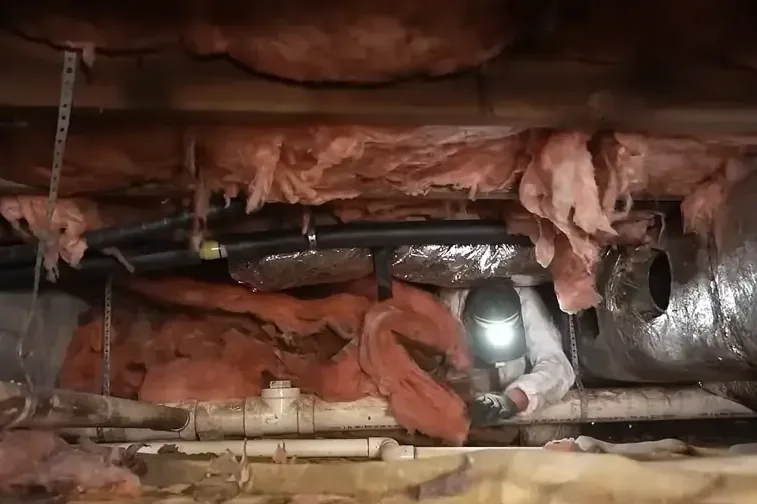
The essentials of crawl space water removal
Entry planned
The space is assessed from its actual access points before workers approach pooling or damaged underfloor materials.
Water source tracked
Plumbing and outdoor entry observations help coordinate source control with the removal sequence beneath the occupied floor.
Insulation evaluated
Hanging or soaked layers receive attention before replacement, exposing framing that may need cleaning and further moisture checks.
Underfloor records retained
The owner receives the treated locations and outstanding repairs, supporting an orderly return of insulation after the assembly has recovered.
What to do after crawl space water removal
- Stay outside the underfloor space
Do not enter pooling water or crawl beneath damaged materials. Observe from a safe location and keep children, pets and stored items away from the access opening.
- Describe the available entry route
Tell the assessor where the opening is and whether equipment can reach it safely. Mention obstructions, locked access and any utility work already scheduled for the area.
- Report possible ongoing water input
Explain whether pooling changes during plumbing use or wet weather without deliberately testing either source. Known active leaks need correction alongside the plan for underfloor water removal.
- Leave insulation and debris undisturbed
Avoid pulling down wet insulation or moving discarded materials through the opening. Their condition, water contact and safe removal path belong in the assessment before handling begins.
What does crawl space water removal cost in Castaic, CA?
Crawl space recovery costs in Castaic depend on safe access, pooling extent and contact with insulation or framing. The written scope should explain removal, cleaning and drying needs while separating plumbing correction and later replacement materials where applicable.
Accessible limited pooling
$1,500 to $3,000
- Reachable water pockets
- Straightforward equipment route
- Limited underfloor contact
Wet insulation and framing
$3,000 to $6,000
- Affected insulation removal
- Exposed framing checks
- Expanded drying arrangement
Complex or contaminated space
$6,000 to $11,000
- Restricted working access
- Controlled debris handling
- Broader surface cleaning
Category, wet square footage, material class and delay before drying affect the scope. These are typical ranges, not a quote. Compare inputs in the water damage cost calculator.
How crawl space water removal progresses
Assess the actual underfloor environment
Inspection checks access, water source and hazards before entry. Available clearance and equipment routes shape the removal plan, with restricted areas identified for additional evaluation or specialized access arrangements.
Remove pooling through a controlled route
Accessible liquid is removed while the source status is monitored. Remaining low pockets and debris are evaluated as conditions become visible, keeping the work focused on the actual space beneath the building.
Evaluate insulation and exposed floor materials
Wet or unsuitable insulation is assessed for removal, revealing retained framing where needed. Contacted surfaces receive the necessary cleaning before drying equipment is arranged around the accessible moisture pattern and available working space.
Document drying and unfinished underfloor repairs
Repeat readings show the condition of retained materials as recovery progresses. The owner receives a description of treated areas, remaining source work and replacement insulation or other repairs needed before the space is closed.
Water beneath an occupied floor can be difficult to inspect from the access opening. Where a Castaic property has a crawl space, removal begins with a plan for safe entry, equipment placement and the condition of the water. Castaic is an unincorporated community; the relevant construction details come from the particular building, including its actual underfloor clearance and accessible openings.
Identify the water route before choosing removal access
At a Hasley Canyon property, the assessor needs to determine whether pooling relates to plumbing, outdoor entry or another observed source. Continuing input can undermine pumping and drying. The inspection also considers electrical components, damaged surfaces and other obstacles beneath the floor. Occupants should describe visible water from outside rather than crawling into the affected space.
A Sloan Canyon owner can help by identifying the access opening and any known utility work. Equipment and hose routes need room to operate without blocking safe movement around the building. Removal planning should include the handling of dirty water and debris instead of allowing them to reach an otherwise usable exterior path.
Look upward after the pooling is removed
Liquid at ground level may have contacted insulation or lower parts of the floor assembly. Wet insulation can sag and conceal damp framing. Its condition and water contact determine the removal decision. Retained wood and other accessible materials need inspection after pooling is reduced, because retained moisture can persist after the pooling disappears.
- Document hanging or saturated insulation before removal changes the view of framing.
- Check nearby supports and reachable floor materials for prolonged water contact.
- Identify any additional access needed to reach isolated low pooling areas.
- Keep occupants away from equipment routes and the open crawl space entrance.
Pooling beneath a floor needs a plan for the space itself. Describe the opening, pooling and suspected source to coordinate removal with inspection of the materials overhead.
(888) 774-9605Discuss the underfloor water footprintSet a recovery endpoint for retained materials
In Romero Canyon, the drying arrangement depends on the actual space and its accessible materials. Equipment should be placed around the moisture findings, with repeat checks at useful locations. The structural drying page describes how retained assemblies are evaluated after removal work has created access.
The handoff should identify the source status, removed insulation and areas that were treated. It should also list any remaining repair needs beneath the floor. Closing an access opening or replacing insulation belongs after the necessary inspection and drying, so newly covered materials do not conceal an unresolved wet area.
Safe access comes first
Standing water, electrical components and restricted movement require an entry assessment. Remain outside the opening until safe access and handling needs are established.
Crawl space water removal around Castaic
Underfloor assessments are available in Hasley Canyon, Sloan Canyon and Romero Canyon where crawl spaces exist, with entry conditions and observed pooling discussed before inspection.
The same service nearby: crawl space water removal in Newhall, Valencia, Stevenson Ranch.
Related water damage services in Castaic
Crawl Space Water Removal questions in Castaic, CA
Questions before work begins
Pooling beneath a floor needs a plan for the space itself. Describe the opening, pooling and suspected source to coordinate removal with inspection of the materials overhead.
(888) 774-9605Discuss the underfloor water footprintDoes every property here have a crawl space?
The assessment begins with the actual building construction. This service applies where an underfloor space exists and contains water requiring removal. Access dimensions, exposed materials and the observed source determine the work, so the plan is developed for the property being inspected.
Can an owner crawl in to photograph the pooling?
Avoid entering a wet underfloor space to collect photographs. Electrical exposure, damaged materials and restricted movement can make access unsafe. A description or image taken from a safe position outside the opening is useful until the area has been professionally assessed for entry.
Will pumping leave the framing dry?
Pumping removes accessible liquid but moisture can remain in insulation, wood and other contacted materials. Those layers need inspection and an appropriate drying plan. Measurements after removal help distinguish the disappearance of pooling from the recovery of the floor assembly above it.
Should wet insulation be pushed back into position?
Sagging insulation needs a condition and water contact assessment before handling. Repositioning it can conceal moisture or disturb contaminated material. Leave it undisturbed until the scope explains what must be removed, which surfaces need cleaning and when replacement insulation can be installed.
What if the water came from a drain backup?
Wastewater changes the handling and cleaning requirements for the underfloor space. Report the suspected source immediately and keep the access area restricted. Removal planning should address contaminated materials and surfaces before drying equipment is used around the retained floor assembly.
When can the access opening be closed again?
Closure follows the required inspection, removal and drying work, with outstanding repairs clearly identified. The final discussion should explain the status of retained framing and any source correction. Replacement insulation should not cover areas that still require access for moisture checks or repair.
Keep the opening clear while safe access is evaluated
Leave wet insulation and underfloor utilities untouched until the assessment establishes the handling and recovery needs of the space.
(888) 774-9605Assess underfloor recovery access