Storm Flood Cleanup in Castaic
Rainwater crossing a doorway can carry soil into flooring seams and wall bottoms. Recovery needs a controlled entry assessment, sediment removal and careful decisions about the materials the water contacted.
(888) 774-9605Discuss rainwater entry cleanup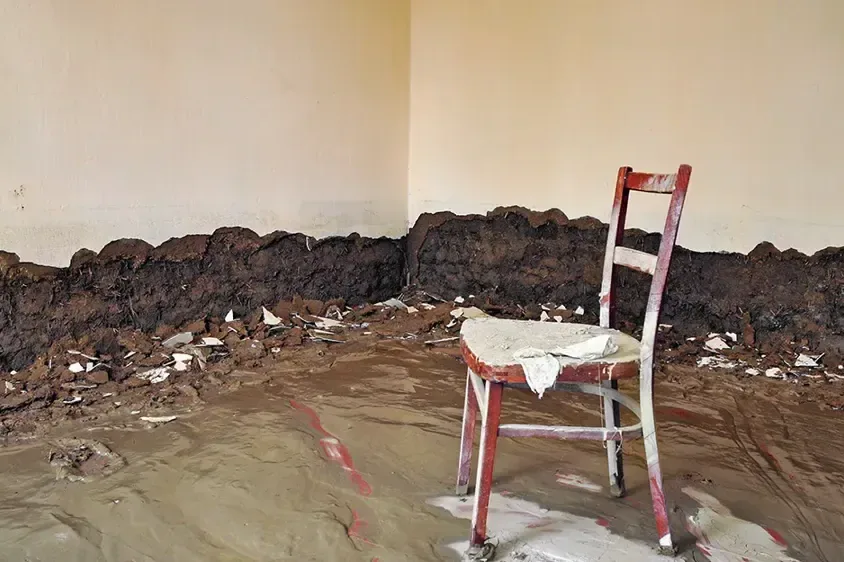
The essentials of storm flood cleanup
Entry route documented
Observed threshold and wall entry helps connect indoor removal with the exterior correction needed to protect the room from additional water.
Sediment included
Deposited soil affects handling and access. Cleanup planning accounts for debris beneath finishes as well as the material visible across the room.
Contacted layers assessed
Outdoor water can penetrate absorbent assemblies. Removal and cleaning decisions follow the actual materials reached rather than the appearance of the surface.
Repairs separated
The handoff identifies indoor recovery and outstanding exterior work, allowing the owner to coordinate both parts before the affected space returns to use.
What to do after storm flood cleanup
- Wait for a safe approach
Do not cross flowing water or enter a room with uncertain electrical conditions. Keep occupants away from debris and damaged surfaces until access has been assessed.
- Record the observed water route
From a dry position, photograph the doorway or opening where water appeared. Note ongoing entry and affected rooms without attempting to recreate the event or open concealed spaces.
- Keep wet debris contained
Avoid sweeping sediment through dry rooms or placing soaked contents on clean flooring. Leave disposal decisions for the assessment and maintain a clear boundary around the affected area.
- Explain any continued weather exposure
Report openings that remain exposed and access paths that cannot be used safely. Stabilization and indoor removal need coordination when the building can still receive additional water.
What does storm flood cleanup cost in Castaic, CA?
Storm cleanup costs in Castaic depend on contaminated material contact, sediment removal and access to affected assemblies. The estimate should clarify indoor recovery tasks and separate any exterior drainage or building repairs needed to stop entry.
Limited indoor entry
$2,500 to $5,000
- Small affected footprint
- Accessible sediment cleanup
- Focused material assessment
Several affected rooms
$5,000 to $10,000
- Connected flooring contact
- Expanded debris removal
- More drying locations
Extensive assembly contact
$10,000 to $18,000
- Multiple concealed layers
- Complex cleaning access
- Broad structural recovery
Category, wet square footage, material class and delay before drying affect the scope. These are typical ranges, not a quote. Compare inputs in the water damage cost calculator.
How storm flood cleanup progresses
Assess access and ongoing entry
The initial assessment identifies unsafe areas, the observed water route and whether additional water can enter. Stabilization needs are coordinated before workers establish removal paths through the affected building.
Extract liquid and clear sediment
Accessible water and deposited debris are removed with attention to contamination control. The inspection then checks floor edges and wall bottoms that were hidden beneath standing water or loose material.
Evaluate contacted finishes and clean
Unsuitable absorbent materials are identified for removal, while retained surfaces receive appropriate cleaning. Newly exposed areas are inspected so hidden sediment or moisture can be included in the documented scope.
Dry retained assemblies and hand off
Equipment addresses the moisture remaining after removal and cleaning. The completion assessment connects material readings with outstanding exterior corrections, replacement finishes and contents decisions that require separate attention before full recovery.
Outdoor water inside a Castaic property requires more than making the floor look clean. Soil can settle beneath a covering while water reaches the back of trim and wall finishes. The assessment starts with safe access and the observed entry route. An owner near Lake Hughes Road should describe where runoff crossed into the building, which rooms became wet and whether water is still arriving.
Connect the indoor damage to the observed entry
Castaic Creek and Castaic Lagoon appear in a state record received September 26, 2001 for proposed storm water management. That community context sits alongside a practical property question: how did this event enter this building? Door thresholds, wall openings and other observed routes need documentation so source correction can be coordinated with the indoor cleanup.
A location near Ridge Route Road helps describe access, while photographs establish the actual damage. Capture sediment marks and contacted contents from a safe area. Do not enter moving water or an unstable room to improve the record. The cleanup plan should account for debris, electrical exposure and any restrictions on entering the affected space.
Remove deposited material before planning airflow
Floodwater can introduce contaminants into absorbent finishes. Affected carpet, cushion and wallboard need a material specific assessment, especially where water has penetrated multiple layers. Retained hard surfaces require accessible cleaning. Simply placing fans around the room can disturb sediment without addressing the contaminated layers underneath the visible floor.
- Identify the highest visible wet boundary on contacted walls and contents.
- Check concealed floor edges after accessible water and loose sediment are removed.
- Protect dry pathways used to carry equipment and discarded material outside.
- Record damaged possessions before moving them away from the affected footprint.
Outdoor water leaves a cleanup problem that extends beneath the visible sediment. Describe the entry route, wet rooms and continuing exposure to plan the building's recovery assessment.
(888) 774-9605Discuss indoor runoff damageBuild the drying scope around exposed conditions
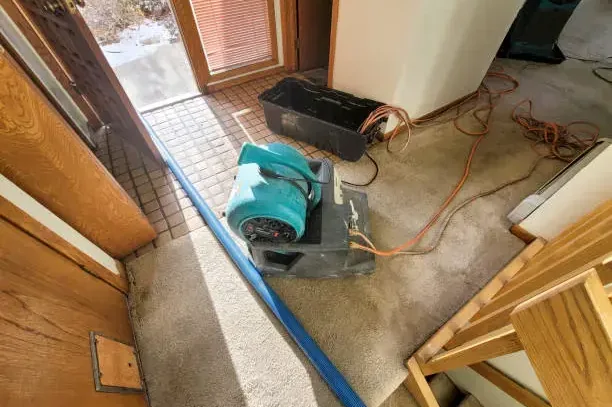
Removal can reveal wet framing or additional sediment at a wall bottom. The scope should adapt to those findings with photographs and clear explanations. The water removal page describes extraction, while storm recovery also needs attention to the condition of the incoming water and everything it carried indoors.
After cleaning and necessary material removal, drying focuses on the structure that will remain. Repeated measurements help determine readiness for repair. Exterior entry correction, replacement finishes and contents decisions should be identified in the handoff so the owner understands what the completed cleanup covers and what still needs to happen before normal use resumes.
Safe access comes first
The response team keeps people away from wet electrical equipment and unstable ceilings. Occupants avoid entering contaminated water or disturbing soaked materials. Source isolation and safe access come before fans, cleaning or demolition, and the restoration assessment records those limits before work starts.
Storm flood cleanup around Castaic
Properties around Lake Hughes Road and Ridge Route Road can discuss storm entry, sediment indoors and safe access arrangements when requesting an assessment of affected rooms.
The same service nearby: storm flood cleanup in Newhall, Valencia, Stevenson Ranch.
Related water damage services in Castaic


Storm Flood Cleanup questions in Castaic, CA
Questions before work begins
Outdoor water leaves a cleanup problem that extends beneath the visible sediment. Describe the entry route, wet rooms and continuing exposure to plan the building's recovery assessment.
(888) 774-9605Discuss indoor runoff damageIs rainwater indoors handled like a supply pipe leak?
Outdoor water can carry soil and other contaminants into the building, changing removal and cleaning decisions. The assessment considers its route and contacted materials. A supply leak and runoff entering through a threshold may require different handling even when their puddles look similar.
Can a wet rug be moved into another room?
Moving a saturated item can spread water and contamination onto otherwise usable surfaces. Keep the affected boundary clear and discuss handling before relocation. Photographs and a contents record help support decisions about cleaning, storage or disposal without carrying debris through the building.
Does the creek record identify damage at a property?
The cleanup assessment documents the current building and the observed water entry. Useful records include photographs, sediment boundaries and the rooms affected during this event. Property decisions follow those observations and the actual materials involved, with any needed exterior assessment arranged separately.
Should interior fans start while mud remains?
Airflow belongs in a controlled cleanup sequence. Loose sediment and affected absorbent finishes need assessment before equipment circulates air across them. Removing water and debris, opening necessary access and cleaning retained surfaces prepare the building for a useful drying setup afterward.
Who handles the opening that allowed water inside?
The required repair depends on the entry route and building component involved. Restoration addresses indoor damage, while an appropriate repair professional evaluates the exterior correction. The estimate should explain responsibilities so a cleaned room is not left vulnerable to the same unresolved opening.
What should the final storm cleanup record include?
Keep the observed entry description, photographs before and after removal, disposal information and drying results for retained assemblies. The handoff should also list outstanding repairs and contents decisions. These records help the owner discuss the event with repair contractors and the policy provider.
Begin with safe access and the observed entry route
Keep debris in the affected area and mention unsafe electrical conditions before anyone enters to inspect or move equipment.
(888) 774-9605Assess storm recovery scope