Water Extraction in Valencia
A pool across the floor is only the visible part of a loss. Extraction removes accessible water while measurements identify soaked edges, adjoining rooms and materials needing further attention.
(888) 774-9605Discuss the pooled water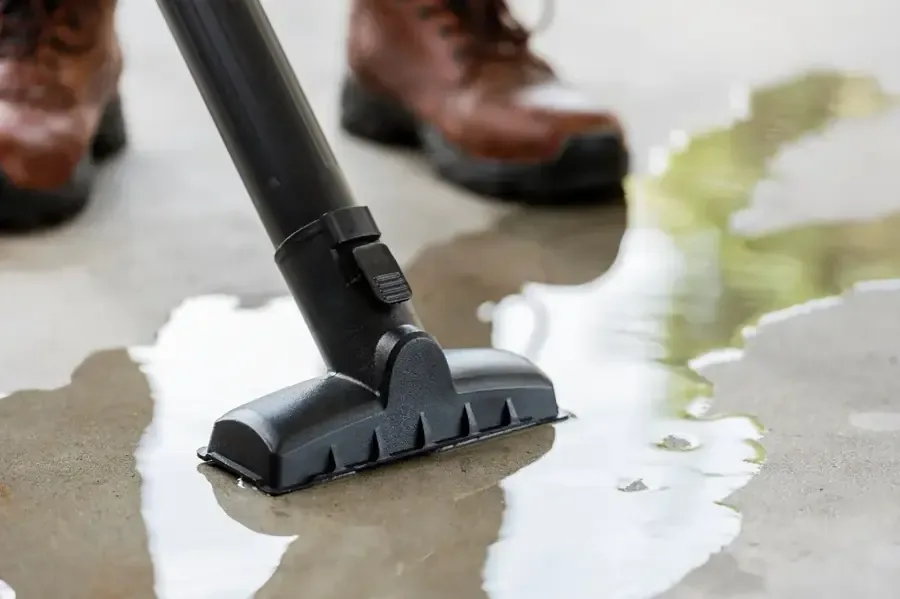
The essentials of water extraction and removal
Perimeter measurements
The pool edge is compared with nearby materials so a visible dry patch does not prematurely end the assessment.
Suitable collection tools
Water depth and surface access determine collection methods, with smaller edges receiving attention after the main pool is removed.
Contents protection
Extraction routes account for dry belongings and occupied walkways, keeping hose movement and wet items inside a planned work boundary.
Useful drying handoff
The removal record identifies moisture still held by retained finishes, giving the next drying stage a defined material scope.
What to do after water extraction and removal
- Keep the route dry
Occupants should avoid wet outlets and appliances. A dry entrance and clear walkway allow an assessment without crossing the pool or moving heavy furniture through it.
- Explain the source history
Describe whether the leak continues and what the water contacted. That information helps determine handling before a hose or extraction tool enters the affected room.
- Preserve the initial scene
Take photographs from a safe position before loose belongings move. Include wall edges and thresholds, which can explain water travel beyond the largest visible pool.
- Separate untouched belongings
Dry items may be moved when access is safe. Leave saturated electrical devices and contaminated contents for evaluation rather than carrying them through unaffected rooms.
What does water extraction and removal cost in Valencia, CA?
Water extraction in Valencia varies with the amount of accessible water, affected floor layers and disposal needs. The ranges below separate a contained removal task from work involving several rooms or concealed moisture beneath finishes.
Contained room
$500 to $1,500
- Accessible surface water
- Limited furniture movement
- Focused edge inspection
Several wet spaces
$1,500 to $3,000
- Connected room access
- Broader extraction passes
- Multiple floor transitions
Water beneath finishes
$3,000 to $7,500
- Concealed layer assessment
- Additional material access
- Expanded moisture mapping
Category, wet square footage, material class and delay before drying affect the scope. These are typical ranges, not a quote. Compare inputs in the water damage cost calculator.
How water extraction and removal progresses
Identify the collection area
An initial walk through identifies the source, affected rooms and a safe equipment route. The assessment also separates ordinary standing water from conditions requiring controlled contamination handling.
Extract along the spread
Removal follows the pool into suitable edges and soft surfaces. Moving across the room methodically helps expose isolated wet areas that were hidden beneath contents or at thresholds.
Evaluate trapped moisture
Measurements and accessible inspections establish whether finishes conceal additional water. The findings support decisions about opening layers and retaining materials rather than assuming extraction has dried the entire assembly.
Document the remaining work
A room based record describes what was removed and what still needs drying. That handoff allows equipment placement and subsequent checks to focus on the materials actually retaining moisture.
Water can disappear beneath a cabinet before a puddle reaches the doorway. In Valencia, an extraction assessment starts by finding the limits of that spread. Mission Village and Westridge provide residential context, but the inspection follows the actual room layout: floor transitions, wall bases, closets and any openings through which water has traveled. A clear route around the damaged space also protects dry belongings during equipment movement.
Remove the pool, then inspect its edges
Accessible standing water places a continuing moisture load on surrounding materials. Extraction equipment removes that water, while smaller tools reach suitable edges and corners. The work needs an appropriate collection and disposal arrangement, especially when the source or contact history changes how the water must be handled. A household vacuum should stay outside this task because wet electrical equipment presents additional hazards.
- Record where standing water meets cabinetry and permanent fixtures before moving contents.
- Inspect door thresholds where water can pass into the adjoining floor assembly.
- Keep extraction hoses away from occupied walkways or establish a protected crossing.
- Compare the apparent spill boundary with measurements along nearby walls and closets.
Floor finishes can conceal the remaining load
A dry top surface does not end the assessment. Padding, underlayment and tightly fitted trim may hold water after the exposed pool is removed. Each layer needs a decision about access and retention based on its condition and the water that reached it. Lifting or removing an affected layer can be necessary when it prevents inspection of the material beneath.
The Old Road is a useful access reference for properties in the community. At the building, the more important details are the dry entrance, furniture that blocks affected edges and any rooms requiring restricted access. Those details shape how extraction proceeds without dragging wet contents through unaffected areas.
A spreading pool deserves a clear removal plan. Describe the affected floor, the apparent source and any blocked access so the assessment can address both standing water and soaked materials.
(888) 774-9605Arrange pooled water assessmentSet up the next stage before packing away
The end of extraction should produce a usable description of what remains wet. That includes materials left in place, surfaces opened for access and areas needing further inspection. Structural drying then addresses moisture still held within the retained assembly. The drying assessment follows that remaining load instead of simply matching the size of the original puddle.
Photographs and room labels keep the record understandable. A property owner can use them to compare the removal work with the later drying scope and identify repairs that belong in a separate estimate.
Safe access comes first
The response team keeps people away from wet electrical equipment and unstable ceilings. Occupants avoid entering contaminated water or disturbing soaked materials. Source isolation and safe access come before fans, cleaning or demolition, and the restoration assessment records those limits before work starts.
Water extraction and removal around Valencia
Extraction assessments cover Valencia properties around Mission Village, Westridge and The Old Road, with access and equipment placement determined by the affected rooms.
The same service nearby: water extraction and removal in Newhall, Stevenson Ranch, Castaic.
Related water damage services in Valencia
Water Extraction and Removal questions in Valencia, CA
Questions before work begins
A spreading pool deserves a clear removal plan. Describe the affected floor, the apparent source and any blocked access so the assessment can address both standing water and soaked materials.
(888) 774-9605Arrange pooled water assessmentIs extraction enough when the puddle is gone?
Not always. Removing visible water reduces the load, but nearby materials may remain wet. Measurements around the perimeter and beneath accessible layers establish whether drying or selective removal needs to follow the extraction work.
Can a carpet stay after water removal?
Retention depends on the water source, contact history and condition of the carpet and padding. Extraction alone cannot decide suitability. An assessment should describe those layers separately and explain whether access beneath them is needed.
What if water reached an electrical outlet?
The affected area should remain out of use until the electrical hazard is assessed. Occupants should avoid touching wet equipment or entering standing water to reach a control. Safe isolation takes priority over saving a floor finish.
Why inspect the room beside the spill?
Water can pass through a doorway or beneath a wall base without leaving a large surface pool. Checking adjoining spaces helps establish the true removal and drying boundary while damage remains accessible for inspection.
Does the largest pump always work best?
Equipment must suit water depth, surface access and the disposal arrangement. A pump may handle a pool while a different extraction tool reaches flooring edges. Tool selection follows the conditions in the room and the materials involved.
Which details help prepare for extraction?
The useful details are the apparent source, whether water is still arriving, affected surfaces and the safest entrance. Photos from a dry position help explain the layout. Contamination or overhead hazards should be mentioned before access is arranged.
Explain where the water has traveled
Room details help identify extraction access and the likely drying work after the exposed pool has been removed.
(888) 774-9605Discuss the extraction scope