Structural Drying in Valencia
A room can feel dry while water remains inside its floor or walls. Structural drying uses material readings, access decisions and controlled equipment placement to track recovery within the retained assembly.
(888) 774-9605Discuss drying progress and wet materials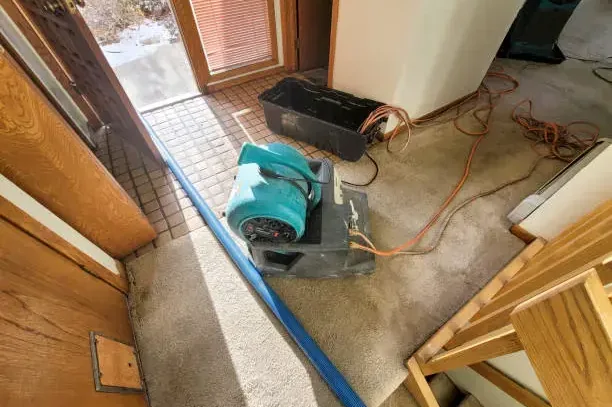
The essentials of structural drying and dehumidification
Repeatable inspection points
Measurements are recorded at meaningful locations so later checks describe changes in the same retained materials rather than unrelated room conditions.
Access driven equipment decisions
Openings and placement are considered together, giving airflow a useful path to the wet assembly instead of relying on equipment quantity.
Progress based adjustments
Stalled material readings prompt attention to exposure, continued entry and equipment arrangement so the drying plan can respond to actual conditions.
Repair handoff clarity
Closing records connect the retained assembly with reconstruction, identifying any remaining concerns before new surfaces cover the previously wet layers.
What to do after structural drying and dehumidification
- Identify the retained wet materials
Describe affected walls, floors or framing and completed source work. The assessment needs to understand what remains after extraction and removal before equipment placement is planned.
- Keep inspection points accessible
Leave justified openings available while the material condition is evaluated. Repeated measurements need access to the affected layers that will eventually be hidden by repaired finishes.
- Explain occupied routes
Mention necessary access and sensitive contents in the room. Drying equipment and opened assemblies need a protected work area compatible with the building spaces still being used.
- Communicate changed conditions
Report renewed leaks, interrupted equipment or moved contents. Those changes help interpret later readings and determine whether the drying arrangement or access plan needs adjustment during the project.
What does structural drying and dehumidification cost in Valencia, CA?
Structural drying in Valencia depends on retained material depth, access and the extent of wet assemblies. These planning ranges reflect equipment and monitoring needs; material replacement or unresolved source repair should remain separately described in the overall work scope.
Limited exposed materials
$1,000 to $2,500
- Accessible wet surfaces
- Focused equipment arrangement
- Recorded material checks
Several wet assemblies
$2,500 to $5,000
- Connected room monitoring
- Additional airflow planning
- Multiple reference locations
Dense or extensive loss
$5,000 to $10,000
- Complex retained layers
- Broader access coordination
- Expanded progress documentation
Category, wet square footage, material class and delay before drying affect the scope. These are typical ranges, not a quote. Compare inputs in the water damage cost calculator.
How structural drying and dehumidification progresses
Establish a meaningful starting record
The assessment identifies wet assemblies and records readings. Source control, cleaning and removal status establish the remaining conditions before drying equipment and material access are arranged throughout the affected rooms.
Set equipment and access together
Equipment placement accounts for exposed materials and safe access. The owner receives an explanation of any obstructing layer that must open to improve drying or allow meaningful measurements.
Compare progress and adjust the plan
Repeated measurements show how retained materials respond as equipment operates. A stalled area prompts inspection of exposure, placement and possible continued entry, rather than simply leaving the same setup running without evaluating the wet layer.
Connect closing readings with reconstruction
The final record describes the materials checked, their condition and any remaining concerns. It supports a coordinated handoff to finish repairs, keeping unresolved work visible before new surfaces cover previously wet cavities or floor layers.
The sound of equipment running is not a measure of how much water remains inside a wall. Structural drying in Valencia needs readings that follow the affected materials through the project. Mission Village homes and IAC Commerce Center business properties can present different room uses and access requirements. The drying plan starts with those actual assemblies and an explanation of how their condition will be checked.
Choose measurements that answer a material question
Room humidity describes the air surrounding an assembly. Material readings help establish where moisture remains within the building itself. A useful survey compares affected areas with appropriate reference conditions and records the locations so later checks can be understood. That makes it possible to distinguish steady progress from a wet layer that still lacks adequate exposure.
Measurements also support the access decision. A floor covering or closed cavity may block the path needed for useful drying. Opening a justified area can expose the retained material and allow checks at the location that matters. The reason for that opening should be documented before the finish is removed or replaced.
Arrange equipment around the assembly
Air movement encourages moisture to leave exposed surfaces, while dehumidification collects moisture from the surrounding air. Placement needs to suit the wet materials, room arrangement and safe electrical access. More equipment does not automatically solve a blocked drying path. Progress checks can reveal a need to change placement, improve exposure or investigate an additional source of moisture.
- Keep inspection points accessible so repeated readings refer to the same affected materials.
- Protect equipment routes from routine foot traffic and movement of stored contents.
- Evaluate hidden layers when surface readings improve but connected areas remain wet.
- Record adjustments so changes in drying progress can be connected with the work performed.
A dry looking room can still contain wet building layers. Describe the retained materials, completed source work and current access so a measured drying plan can address what remains inside the assembly.
(888) 774-9605Check the retained material moistureUse the closing record to support repairs
Commerce Center Drive serves the business parks, where office, industrial and retail uses may require different access arrangements during equipment operation. An occupied property needs a clear boundary around opened assemblies and equipment. A planned work area helps normal movement continue only where it remains compatible with the drying setup and safe access.
For commercial interiors, the closing decision should follow the condition of retained materials, not a preset community timetable. After water extraction and subsequent drying, the record should identify the checked assemblies and remaining repair needs. New finishes can then be scheduled with a clearer understanding of what lies beneath them.
Safe access comes first
The response team keeps people away from wet electrical equipment and unstable ceilings. Occupants avoid entering contaminated water or disturbing soaked materials. Source isolation and safe access come before fans, cleaning or demolition, and the restoration assessment records those limits before work starts.
Structural drying and dehumidification around Valencia
Drying assessments cover Valencia homes and commercial interiors, including Mission Village and properties along Commerce Center Drive, with monitoring tailored to the retained wet assemblies.
The same service nearby: structural drying and dehumidification in Newhall, Stevenson Ranch, Castaic.
Related water damage services in Valencia
Structural Drying and Dehumidification questions in Valencia, CA
Questions before work begins
A dry looking room can still contain wet building layers. Describe the retained materials, completed source work and current access so a measured drying plan can address what remains inside the assembly.
(888) 774-9605Check the retained material moistureWhy measure materials when the room feels dry?
Air and building materials can change at different rates. A comfortable room can still contain moisture beneath flooring or inside framing. Material readings help establish the condition of the assembly that will later be covered by repaired finishes.
Does every wet wall need to be opened?
Access depends on construction, damage and whether retained moisture can be assessed and dried adequately. Some assemblies require selective openings. The scope should explain how each proposed access point helps expose or measure the wet material needing attention.
Can more fans shorten every drying project?
Equipment has to suit the materials and available drying paths. Additional air movement cannot correct every concealed wet layer or ongoing source. Progress checks help determine whether placement, access or moisture collection needs adjustment in the affected room.
How is a drying stopping point established?
The assessment uses the condition and readings of retained materials, with suitable reference information. The closing decision should explain the checked locations and any remaining concerns. Material condition provides the basis for repair readiness throughout the affected assembly.
What happens if equipment must be interrupted?
The interruption should be recorded and discussed with the person managing drying. Safe access and operating requirements still apply. Later measurements can then be interpreted with the changed conditions instead of assuming equipment operated continuously throughout the interval.
Which documents help the finish repair trade?
Provide the material survey, closing readings and photographs of the opened assemblies. Include any remaining source or access concerns. Those records help the next trade understand what was retained and why the area was considered ready for reconstruction.
Use progress readings to plan the next repair
Equipment placement and repeated checks help establish when exposed walls, flooring or framing can move forward to finish restoration.
(888) 774-9605Discuss a measured drying scope