Storm Flood Cleanup in Valencia
Outdoor water can leave sediment and hidden moisture behind after it recedes. A flood cleanup assessment follows the entry path, evaluates contacted materials and establishes safe access before removal begins.
(888) 774-9605Discuss outdoor water entry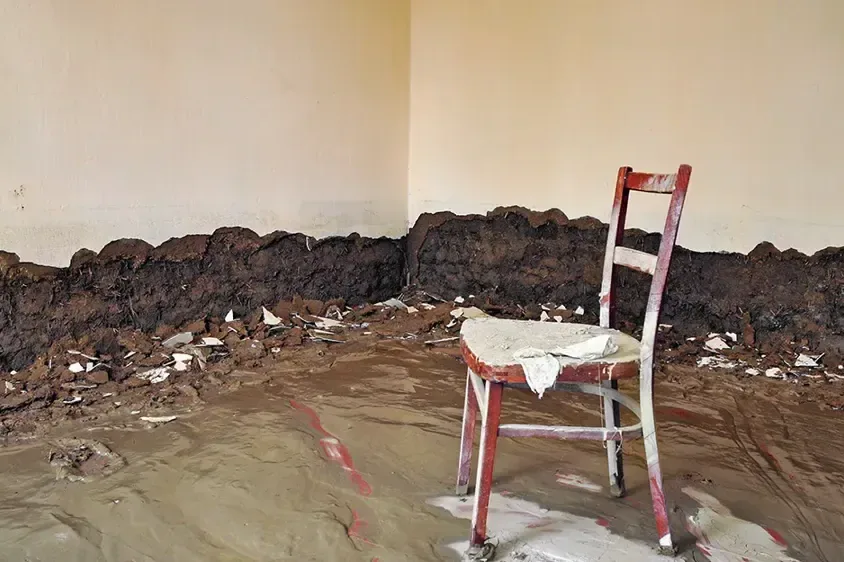
The essentials of storm flood cleanup
Entry pattern records
Threshold deposits and interior photographs connect outdoor entry with affected rooms before cleanup changes the original water and sediment pattern.
Contact based handling
Porous finishes and contents are evaluated for floodwater contact, while retained suitable surfaces receive cleaning before the drying stage begins.
Protected removal paths
A planned route keeps muddy debris and wet belongings from crossing untouched rooms as affected materials leave the building.
Distinct exterior tasks
Interior recovery records remain separate from corrective work at entry points, helping the owner track both parts of the incident.
What to do after storm flood cleanup
- Establish safe entry first
Keep occupants away from moving water, wet electrical equipment and unstable finishes. The access route needs assessment before anyone begins moving contents or inspecting affected rooms.
- Capture the entry pattern
Photograph thresholds and sediment from a safe position. These records show where outside water traveled before removal changes the deposits and the original room arrangement.
- Leave muddy contents separated
Wet furniture and stored items need a handling decision. Avoid carrying them through untouched rooms before the inspection establishes a suitable removal route and contact boundary.
- Describe ongoing water entry
Explain whether water continues arriving and which entrances remain usable. Blocked doors and inaccessible controls help define the first safety and cleanup decisions at the property.
What does storm flood cleanup cost in Valencia, CA?
Storm flood cleanup in Valencia depends on entry extent, deposited material and the assemblies contacted. These ranges reflect increasingly broad interior recovery, while repairs to exterior drainage or building openings require separate assessment.
Limited indoor entry
$2,500 to $5,000
- Localized sediment removal
- Accessible affected surfaces
- Focused moisture checks
Several affected rooms
$5,000 to $10,000
- Connected room cleaning
- Additional porous removal
- Expanded drying arrangement
Extensive assembly contact
$10,000 to $18,000
- Broader controlled disposal
- Complex cavity access
- Detailed recovery documentation
Category, wet square footage, material class and delay before drying affect the scope. These are typical ranges, not a quote. Compare inputs in the water damage cost calculator.
How storm flood cleanup progresses
Assess entry and occupancy hazards
The inspection considers exterior water entry alongside the condition of the interior. Safe access, electrical contact and unstable finishes determine where assessment and equipment movement can begin without exposing occupants.
Remove collected water and deposits
Extraction and debris handling follow the affected route through the rooms. Porous finishes and contents receive a separate retention decision based on contact, condition and the ability to clean them adequately.
Prepare retained surfaces for drying
Cleaning follows removal of contaminated residue and unsuitable materials. Exposed assemblies are then evaluated for moisture so equipment addresses the remaining wet layers rather than merely circulating air across the room.
Connect recovery with later repairs
The final record documents cleaned surfaces, removed materials and drying results. Exterior entry concerns and finish replacement stay visible as separate work items so they can be addressed before rooms return to use.
A muddy threshold can tell a different story from a pipe leaking inside a wall. For storm affected Valencia interiors, the inspection begins with the route water used to enter and the surfaces it contacted afterward. The Santa Clara River crosses the community, and State Route 126 also crosses the area. At a damaged property, visible entry marks, deposited material and room conditions establish the cleanup boundary.
Read the path through the building
Water entering at a doorway may spread beneath flooring before the room holds a deep pool. Sediment can lodge along a wall base, under furniture or inside a closet. Those deposits help identify contact areas, but measurements are still needed to inspect the moisture beyond visible dirt. The work scope should account for both the residue and the wet layers concealed beneath finishes.
- Photograph the entry threshold and deposits from a position that remains safe.
- Identify rooms reached through connected flooring or openings beneath interior partitions.
- Keep wet outdoor debris separate from belongings that stayed dry inside.
- Evaluate closed cupboards and low storage where water may have collected unnoticed.
Arrange removal around contamination and access
Outdoor floodwater needs a handling plan suited to what it carried into the building. Standing water removal is followed by decisions about porous finishes and contents that cannot be cleaned adequately. Suitable retained surfaces need cleaning before the drying arrangement is established. Occupants should avoid using household fans to circulate air across dirty materials or entering water near electrical devices.
Mission Village provides residential context within the community. For any affected home, a protected entrance and a place for controlled material removal help keep cleanup traffic out of untouched rooms. The practical route may change as damaged finishes are opened, so the owner should understand which spaces remain restricted during the work.
Outdoor water leaves more to assess than the puddle. Describe the entry point, visible deposits and affected rooms so removal, cleaning and retained material drying can be organized around the actual damage.
(888) 774-9605Assess the indoor flood pathFinish the cleanup before hiding the evidence
Replacing a floor or closing a wall too early can conceal retained moisture and residue. The handoff needs to show which materials were removed, which surfaces were cleaned and how remaining assemblies responded to drying. Structural drying measurements help establish progress after the accessible water and contaminated debris have been addressed.
Photographs of entry points also support a separate check of measures intended to reduce future entry. Interior cleanup and repair of the exterior water path are distinct tasks, and both should have clearly described responsibilities before the property returns to its normal arrangement.
Safe access comes first
The response team keeps people away from wet electrical equipment and unstable ceilings. Occupants avoid entering contaminated water or disturbing soaked materials. Source isolation and safe access come before fans, cleaning or demolition, and the restoration assessment records those limits before work starts.
Storm flood cleanup around Valencia
Storm recovery assessments serve Valencia properties around Mission Village and State Route 126, with cleanup decisions based on the outdoor entry path and affected interior materials.
The same service nearby: storm flood cleanup in Newhall, Stevenson Ranch, Castaic.
Related water damage services in Valencia
Storm Flood Cleanup questions in Valencia, CA
Questions before work begins
Outdoor water leaves more to assess than the puddle. Describe the entry point, visible deposits and affected rooms so removal, cleaning and retained material drying can be organized around the actual damage.
(888) 774-9605Assess the indoor flood pathDoes a shallow amount of floodwater need assessment?
Yes. Even limited outdoor entry can contact porous finishes, carry sediment and travel beneath flooring. The depth of the visible pool alone does not describe the cleanup scope. The entry path and contacted materials need evaluation.
Can muddy flooring simply be mopped and covered?
Covering the floor can trap moisture or conceal contamination in lower layers. Cleaning decisions need to account for the type of finish and what lies beneath it. An assessment establishes whether removal or access is needed before repairs.
Should outdoor water be treated like a supply leak?
Outdoor water has a different contact history and may carry debris into the room. The handling plan must reflect that condition. Source, material contact and deposited residue influence removal and cleaning before the retained assembly is dried.
What if the water is still coming indoors?
Continuing entry needs attention alongside interior safety. An owner should avoid entering hazardous water or attempting work near wet electrical equipment. The assessment can identify the immediate recovery needs and the separate work required to address the entry route.
Can the river location determine the work scope?
The property assessment follows actual water entry and interior conditions. Relevant property flood mapping can inform separate planning, while the cleanup scope needs photographs, contact patterns and material measurements from the affected building itself.
What should be saved before repairs replace damaged finishes?
Retain photographs of deposits and entry points, material removal records and the drying documentation. These details explain the condition before repairs conceal the area. A separate record of exterior corrective work helps clarify what was done about future entry.
Explain where outside water crossed the threshold
Safe access and the contact history help define the first cleanup decisions before any wet finishes are replaced.
(888) 774-9605Check storm water recovery