Water Extraction in Stevenson Ranch
Water disappearing under a cabinet has not necessarily left the room. Extraction removes accessible pooling while the assessment follows moisture into floor edges, adjoining spaces and absorbent materials.
(888) 774-9605Discuss pooling water removal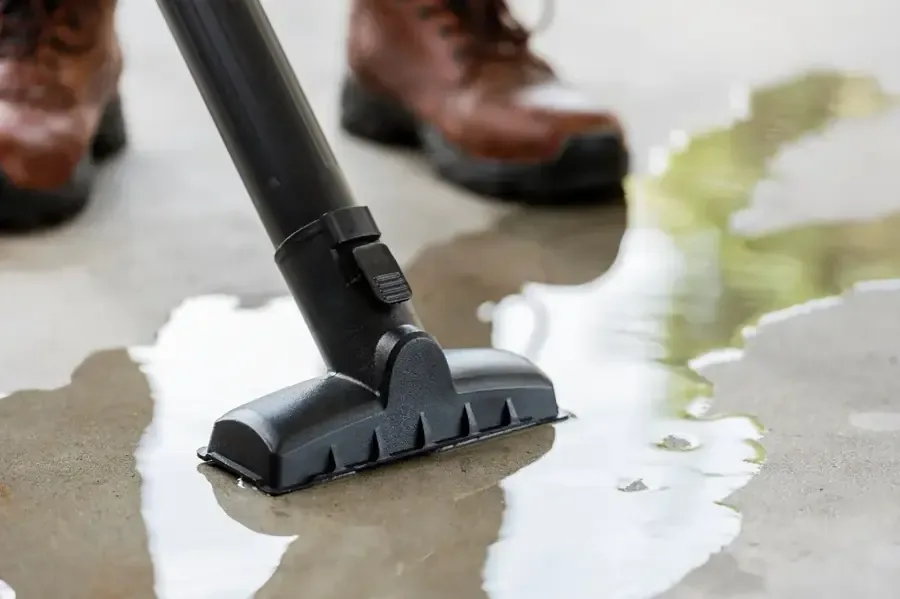
The essentials of water extraction and removal
Surface selection
An extraction approach should fit the floor covering and accessible water. The assessment identifies places where a wand cannot reach the remaining accumulation.
Boundary testing
Moisture at a threshold can extend the job beyond the first room. Checking those transitions makes the removal scope more complete.
Contents placement
Furniture handling is planned alongside extraction so wet bases do not remain pressed against a surface that needs treatment.
Next stage clarity
The property contact receives a distinction between removed water and retained moisture, making the drying requirements easier to understand.
What to do after water extraction and removal
- Keep a clear boundary
People should stay outside standing water when power or contamination is uncertain. A safe doorway is enough for the first photographs and a description of conditions.
- Stop additional supply water
An accessible shutoff can limit a plumbing release. The valve should only be approached from a dry, safe route, with source repair arranged separately.
- Identify affected contents
Point out furniture, stored items and floor coverings touched by the spill. Their condition and location help organize handling without carrying water into unaffected rooms.
- Record where pooling ends
Describe the farthest visible water and any nearby doorways. The assessment can then check beyond those edges for concealed moisture before selecting extraction equipment.
What does water extraction and removal cost in Stevenson Ranch, CA?
Water extraction in Stevenson Ranch is priced around access, water volume and the surfaces involved. Hidden pooling or saturated backing adds work beyond an open floor. The estimate should identify removal and subsequent drying as distinct tasks.
Contained room
$500 to $1,500
- Open floor access
- Limited pooling footprint
- Initial moisture survey
Several wet spaces
$1,500 to $3,000
- Connected room extraction
- Wet threshold inspection
- Broader equipment handling
Water beneath finishes
$3,000 to $7,500
- Selective finish access
- Concealed water removal
- Layered material assessment
Category, wet square footage, material class and delay before drying affect the scope. These are typical ranges, not a quote. Compare inputs in the water damage cost calculator.
How water extraction and removal progresses
Establish the extraction boundary
The inspection identifies water condition, accessible pooling and hazards. Room edges and connected spaces are assessed so the removal plan covers more than the deepest visible puddle.
Recover the accessible water
Equipment is selected for the affected surfaces and available access. Water is removed in a controlled sequence, with attention to transitions where liquid can remain beneath coverings.
Check what remains underneath
Moisture readings and selective access identify wet backing, trim or cavities. Those findings determine which materials need additional removal and which can proceed into a managed drying area.
Document the next stage
The property contact receives the extraction findings and remaining drying needs. An active source, inaccessible layer or damaged finish is identified before the work moves toward repair planning.
A towel can absorb a small surface spill, but water spread across a room needs a wider assessment. In Stevenson Ranch, the useful starting point is the actual wet footprint: where water entered, what it touched and where it stopped being visible. Removing the puddle makes inspection easier, but wet backing, cabinet bases and wall edges still require attention before the room returns to normal use.
Read the route water has taken
A break at Stevenson Ranch Parkway and Pico Canyon Road on October 1, 2015 sent water down streets for more than four hours. At an affected property, the extraction plan begins with its own source and water path. An indoor supply release, appliance discharge and outdoor intrusion create different handling decisions. The inspection records the water condition before equipment is selected and materials are disturbed.
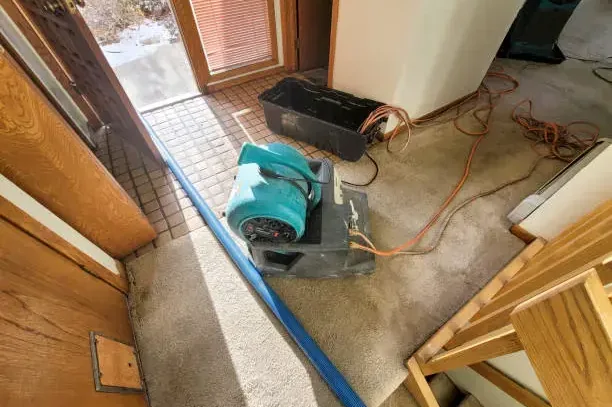
- Doorways can carry water into a room that initially appears outside the spill.
- Carpet backing may remain saturated after the upper fibers feel comparatively dry.
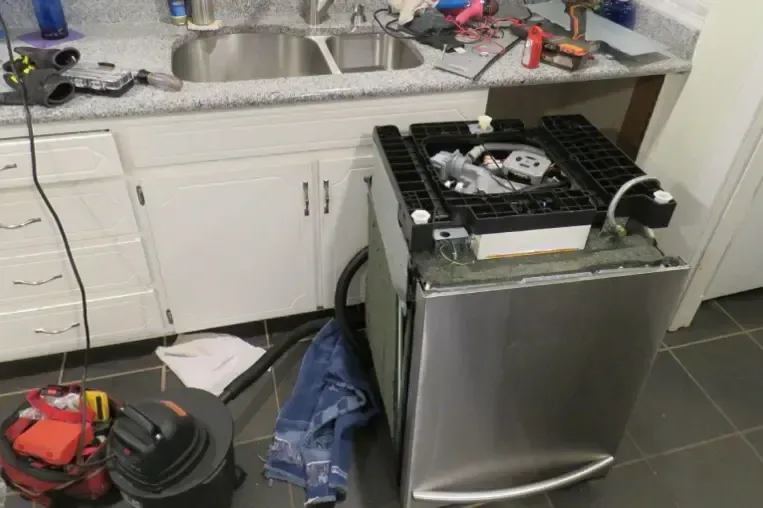
- Cabinet plinths can conceal pooling that a pass across the open floor misses.
- Electrical equipment and outlets near water change the safe route into the room.
Make access useful without spreading the loss
The Old Road connects Westridge and Stevenson Ranch proper. At either location, access details help organize the assessment: a locked entry, occupied room or narrow route should be identified before equipment is moved through the property. Belongings should be handled according to their condition, with wet items separated from unaffected surfaces rather than carried through clean rooms while dripping.
Extraction equipment must suit the surface and the amount of accessible water. A hard floor, absorbent covering and enclosed low spot do not offer the same access. Where a finish blocks removal, selective opening may be needed. The scope should explain the reason for that opening and the materials it will expose.
Standing water needs a clear removal plan that includes the surfaces beneath it. Describe the affected rooms, the source if known and any obstacle to safe access when discussing the assessment.
(888) 774-9605Discuss extraction for the propertyConnect removal with a measured drying plan
Once standing water is reduced, the inspection turns to moisture retained within materials. Readings at walls, thresholds and adjoining finishes help define a drying area. The structural drying service addresses that next stage, including equipment adjustments as conditions change. Final decisions should reflect material condition rather than the disappearance of visible water alone.
A useful handoff records the starting footprint, extraction completed and areas still requiring treatment. Photographs of opened edges help explain repair needs later. If fresh water continues to appear, the source needs further attention before the space can be considered stable enough for sustained drying.
Safe access comes first
The response team keeps people away from wet electrical equipment and unstable ceilings. Occupants avoid entering contaminated water or disturbing soaked materials. Source isolation and safe access come before fans, cleaning or demolition, and the restoration assessment records those limits before work starts.
Water extraction and removal around Stevenson Ranch
Extraction assessments cover the community's affected homes and business interiors, including properties in Westridge, with access and the current water condition discussed before equipment placement.
The same service nearby: water extraction and removal in Newhall, Valencia, Castaic.
Water damage restoration in Stevenson Ranch · every town covered
Related water damage services in Stevenson Ranch
Water Extraction and Removal questions in Stevenson Ranch, CA
Questions before work begins
Standing water needs a clear removal plan that includes the surfaces beneath it. Describe the affected rooms, the source if known and any obstacle to safe access when discussing the assessment.
(888) 774-9605Discuss extraction for the propertyIs extraction enough for a wet carpet?
Removing water from carpet is only part of the assessment. Backing and the surface beneath it may also be wet. Their condition, contamination and accessibility determine whether further removal or drying can preserve the installed covering.
Should furniture be moved before the assessment?
Small dry belongings may be moved along a safe route, but heavy furniture over wet flooring needs careful handling. Dragging it can damage finishes or spread moisture. The work plan should identify suitable temporary placement for affected items.
Can a household vacuum remove the puddle?
Equipment must be designed for water collection and used with a safe electrical setup. Ordinary household vacuums are unsuitable for this work. When power safety or the water condition is uncertain, access should remain restricted until assessed.
Why inspect a room beside the spill?
Water can pass beneath thresholds and along concealed floor edges. A neighboring room may have wet material without obvious pooling. Checking that boundary helps prevent the extraction plan from stopping at the doorway where the water was first noticed.
What if water returns after extraction?
Renewed pooling means the source or another stored pocket needs attention. The inspection should revisit supply components, adjoining wet areas and inaccessible low spots. Additional removal follows the findings, with source control coordinated before continued drying.
What information belongs in the work record?
The record should show the water source, visible spread, affected surfaces and extraction completed. Locations needing further access or drying should be identified clearly. Photographs and initial moisture readings help connect removal work with the later repair scope.
A closer look at the wet boundary
The next step is an inspection that connects visible pooling with the materials still holding moisture beneath nearby finishes.
(888) 774-9605Arrange the water removal assessment