Stevenson Ranch Crawl Space Water Removal
When a building has a crawl space, water beneath the floor can be difficult to see and harder to reach. Recovery begins with safe access, the source of pooling and the condition of overhead insulation and framing.
(888) 774-9605Discuss the underfloor water conditions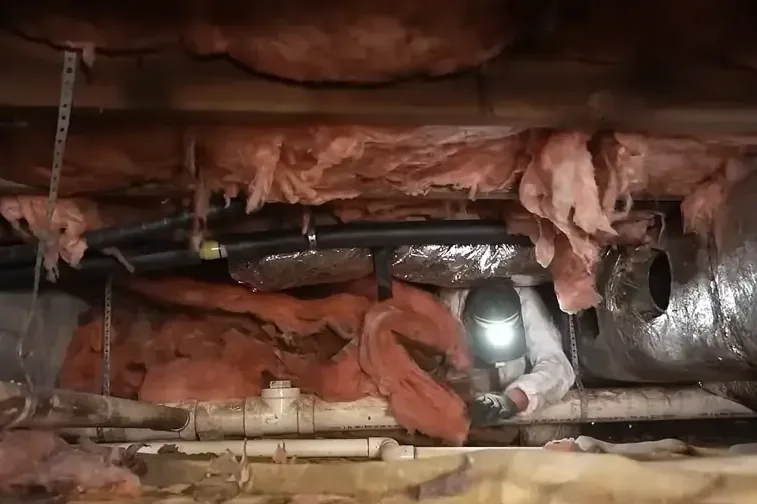
The essentials of crawl space water removal
Access planning
The hatch and available passage shape the removal method, including how equipment reaches pooling without creating an unsafe entry route.
Overhead inspection
Wet insulation is evaluated alongside the framing it covers so pumping does not become the only measure of recovery.
Source followup
Changes in accumulation remain part of the work record, directing attention to any continuing water entry during the drying stage.
Underfloor documentation
Recorded material conditions give the owner an account of the treated space before replacement insulation limits visibility beneath the floor.
What to do after crawl space water removal
- Keep the hatch area open
Remove dry obstructions from the approach when it is safe to do so. The access opening should remain visible, but occupants should not enter the space to investigate pooling.
- Report visible hazards from outside
Mention electrical components, hanging insulation or an obstructed passage that can be seen without entry. Those observations help the assessor plan a safe route and suitable removal equipment.
- Provide any source findings
A plumber's diagnosis or photographs of an entry point can help coordinate corrective work. Note whether the accumulation changes after source service so renewed water receives attention.
- Protect the route through the building
If access is indoors, identify the clean path to the hatch. Material removal and equipment handling should be arranged to keep underfloor water and residue within the work boundary.
What does crawl space water removal cost in Stevenson Ranch, CA?
Crawl space water removal in Stevenson Ranch depends on safe access, the extent of pooling and contacted underfloor materials. Wet insulation or difficult removal routes increase the work. Source correction and replacement materials should be distinguished from extraction and drying.
Accessible limited pooling
$1,500 to $3,000
- Clear entry route
- Localized water collection
- Initial framing assessment
Wet insulation and framing
$3,000 to $6,000
- Insulation handling needs
- Exposed surface assessment
- Managed underfloor drying
Complex or contaminated space
$6,000 to $11,000
- Restricted removal access
- Expanded cleaning requirements
- Detailed material recovery
Category, wet square footage, material class and delay before drying affect the scope. These are typical ranges, not a quote. Compare inputs in the water damage cost calculator.
How crawl space water removal progresses
Evaluate the opening and underfloor conditions
The first assessment establishes safe access, visible hazards and the likely removal route. Source information and water condition determine what equipment and handling arrangements are appropriate for the available space.
Recover water through controlled access
Accessible pooling is removed with attention to confined areas and changing accumulation. The work record identifies locations that remain difficult to reach and any renewed water suggesting unresolved source conditions.
Assess insulation and retained framing
Contacted materials are evaluated after removal improves visibility. Necessary insulation handling exposes the surfaces beneath it, allowing cleaning and drying decisions to reflect the actual condition of the underfloor assembly.
Verify the space before replacement work
Measurements document recovery in accessible retained materials. The final discussion addresses remaining access needs and insulation replacement, giving the property contact a clear record of the area before it is enclosed again.
A hatch can reveal pooling without providing safe access to the space beyond it. Crawl space water removal in Stevenson Ranch is planned for a building where that underfloor area is present and assessed. The first inspection considers entry conditions, possible electrical exposure and the water source. Removal equipment and material handling then need to suit the confined layout rather than the room above it.
Describe the access before anyone enters
The Old Road connects Westridge and Stevenson Ranch proper. At an affected property, the useful access information is the hatch location, any obstruction and what can be seen from outside the opening. Occupants should avoid entering standing water or disturbing loose insulation. An inspection plan needs enough visibility to establish the work route and determine which areas remain inaccessible.
Poe Parkway is a major thoroughfare in the central and southern community. For a property near that corridor, the assessment should document its actual underfloor construction and wet conditions. Information about the source, such as a diagnosed pipe release or observed entry route, helps coordinate corrective work with the removal of accumulated water.
Account for both pooling and overhead contact
Pumping reduces accessible water, but the underside of the floor may still contain wet insulation or damp framing. The inspection should record those materials separately. Saturated insulation can conceal surfaces that need assessment, while contamination changes handling decisions. Any removal should have a planned route through the access point so wet material is not dragged across unaffected interior finishes.
- Keep the access opening clear without stepping into the wet underfloor space.
- Identify known electrical equipment or connections near the visible accumulation.
- Report whether water returns after the source has received attention.
- Leave disturbed insulation available for assessment rather than pushing it back into place.
Reaching underfloor water starts with safe access. Describe the opening, visible pooling and source work so the assessment can address the materials contacted beneath occupied rooms.
(888) 774-9605Discuss access beneath the floorCheck the result beneath the floor
The floor above can feel normal while the underfloor assembly remains damp. Drying progress therefore needs measurements in the affected accessible materials. Equipment arrangements should account for the confined space and the condition of exposed surfaces. Changes in pooling or persistent wet pockets require renewed attention to the source and removal access.
The sewage recovery service applies when wastewater is the identified source. The final underfloor record should describe water removed, insulation handled and retained framing assessed. It should also identify any access limitations requiring additional work before replacement insulation or other finishes conceal the recovered area.
Safe access comes first
Do not enter underfloor pooling. Limited visibility, electrical exposure and loose materials require a safe access assessment before removal work begins beneath the building.
Crawl space water removal around Stevenson Ranch
Underfloor assessments are available for affected community properties that have crawl space access, with entry conditions and the actual water source assessed before removal work is arranged.
The same service nearby: crawl space water removal in Newhall, Valencia, Castaic.
Water damage restoration in Stevenson Ranch · every town covered
Related water damage services in Stevenson Ranch
Crawl Space Water Removal questions in Stevenson Ranch, CA
Questions before work begins
Reaching underfloor water starts with safe access. Describe the opening, visible pooling and source work so the assessment can address the materials contacted beneath occupied rooms.
(888) 774-9605Discuss access beneath the floorShould the homeowner enter through the hatch?
Standing water and limited visibility can make entry hazardous. The occupant should remain outside and describe what is visible from a safe position. The assessment determines the access route and precautions needed before removal or material inspection begins.
Does pumping finish the underfloor cleanup?
Pumping addresses accessible accumulation, while insulation and framing may still be wet. Those materials need separate assessment for cleaning, removal or drying. The closing record should explain the recovered water and the condition of the retained underfloor assembly.
What if insulation is hanging down?
Loose or saturated insulation should be left for assessment rather than pushed back against the floor. It may conceal wet surfaces and can complicate access. The work plan should describe safe handling and the areas exposed for further inspection.
Why inspect the underside of the floor?
Water can contact insulation and framing without creating an obvious symptom in the occupied room above. Underfloor measurements identify retained moisture that surface observations miss. Those findings help set the drying scope and the readiness for replacement insulation.
Can equipment reach every part of the space?
Access depends on the building's layout, opening and obstructions. The inspection should identify restricted sections and explain how they affect removal or drying. Any area requiring further access belongs in the scope before completion is discussed with the property contact.
What happens if pooling returns during drying?
Fresh accumulation calls for an assessment of the source and any inaccessible water pockets. The removal plan may need adjustment while corrective work is coordinated. Drying progress should be evaluated after those conditions are stable enough to support material recovery.
Assess pooling and wet underfloor materials
The recovery scope should explain removal, insulation handling and the measurements needed before the underfloor area is covered again.
(888) 774-9605Arrange an underfloor condition assessment