Stevenson Ranch Storm Flood Cleanup
Water entering from outdoors brings a different cleanup problem than a contained indoor spill. The assessment follows the entry path, debris and contacted materials before setting a removal and drying sequence for the property.
(888) 774-9605Discuss outdoor water intrusion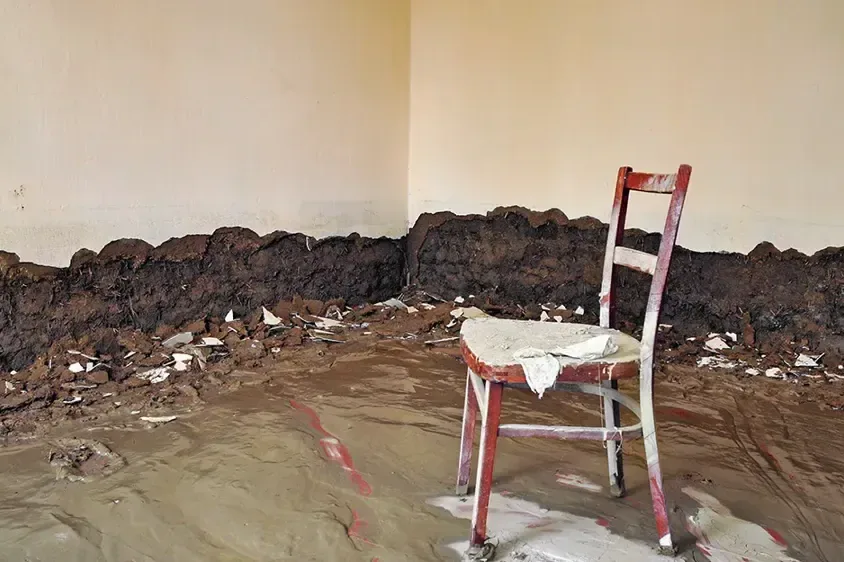
The essentials of storm flood cleanup
Entry documentation
Photographs of the threshold or opening connect the indoor residue pattern with the location requiring protection against further water entry.
Debris handling
Collection routes account for dirty water and deposited material so affected belongings do not transfer residue into the usable part of the property.
Layer access
The scope identifies contact beneath finishes and describes removal needed to expose surfaces for cleaning before retained materials are dried.
Recovery sequence
A recorded progression from entry control through cleaning to drying gives the owner a practical basis for organizing later building repairs.
What to do after storm flood cleanup
- Wait for safe access
A flooded area should remain unoccupied when electrical conditions or structural stability are uncertain. Observations from a dry location can begin the damage record without crossing the water.
- Record the entry point
Photograph the opening and interior deposits from a safe position. Note whether water is still entering so source control can be addressed before cleanup work expands.
- Separate affected belongings
Keep wet or dirty contents within the defined work area until handling is organized. Moving them through clean rooms can spread residues onto additional surfaces.
- Identify essential access routes
Tell the assessor which doors and rooms occupants normally need. The cleanup layout can then account for removal equipment, exposed finishes and any temporary restrictions on use.
What does storm flood cleanup cost in Stevenson Ranch, CA?
Storm flood cleanup in Stevenson Ranch is shaped by the indoor contact area, debris and affected construction layers. Removal, detailed cleaning and access beneath finishes can expand the work substantially beyond the visible water at an entry.
Limited indoor entry
$2,500 to $5,000
- Localized debris collection
- Accessible wet surfaces
- Focused cleaning scope
Several affected rooms
$5,000 to $10,000
- Connected flooring contact
- Expanded material handling
- Multiple cleaning zones
Extensive assembly contact
$10,000 to $18,000
- Concealed residue access
- Broader finish removal
- Complex drying arrangements
Category, wet square footage, material class and delay before drying affect the scope. These are typical ranges, not a quote. Compare inputs in the water damage cost calculator.
How storm flood cleanup progresses
Inspect the incoming water route
The assessment records the entry condition and traces indoor spread. Safety concerns, deposited debris and the materials contacted determine the work boundary and the initial removal sequence.
Clear water and deposited material
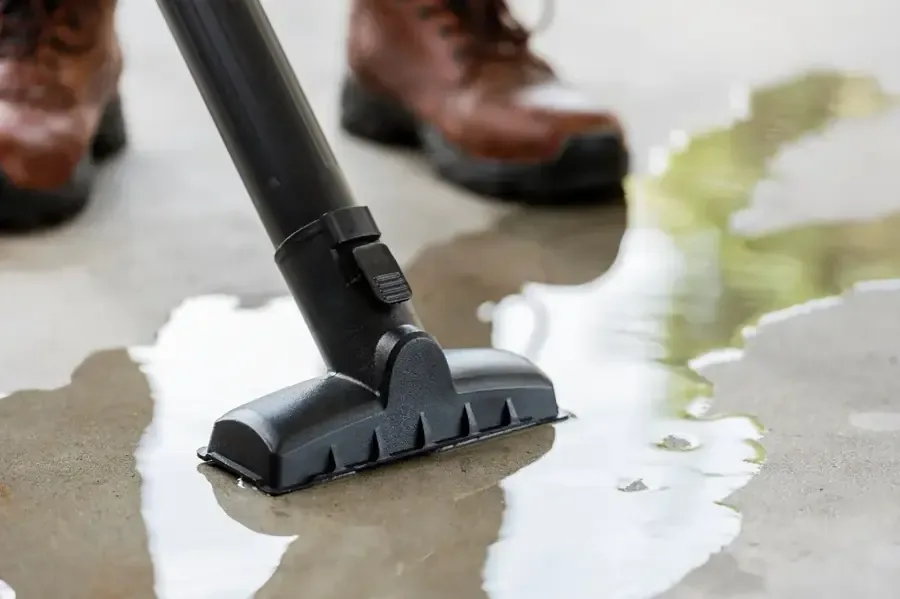
Extraction and controlled debris removal create access to the underlying surfaces. Affected contents are handled through a planned route so residues remain within the designated recovery area.
Open and clean affected layers
Damaged absorbent finishes and concealed contact areas are evaluated individually. Necessary removal exposes surfaces for cleaning before equipment begins drying the materials that remain within the building.
Verify progress before rebuilding
Material readings track recovery after cleaning. The final discussion identifies unresolved entry repairs, remaining openings and the condition of retained layers so the property contact can plan reinstatement.
A dirty water mark at a doorway can be the first visible sign of a much wider indoor contact area. Storm flood cleanup in Stevenson Ranch begins with the entry route and the condition of the water that crossed it. Mud, residue and absorbent finishes require attention alongside standing water. The assessment should connect the exterior opening with the rooms and material layers affected inside.
Describe the entry without losing the interior detail
Stevenson Ranch lies in the foothills of the Santa Susana Mountains. At an affected property, practical observations identify where water entered: a threshold, opening or other building edge. Photos of that location and the interior spread help organize the cleanup scope. Active entry needs attention before finished cleaning work is exposed to another flow of outdoor water.
Pico Canyon Road and Stevenson Ranch Parkway are major community thoroughfares. A property near either corridor should be assessed by its own conditions, including the accessible entry, water depth observed inside and rooms reached. The record should distinguish debris deposited by incoming water from belongings or finishes already present in the room before the event.
Remove residues from the full contact area
Outdoor water can carry material that settles beneath furniture, along wall bases and inside floor joints. Pumping or extraction reduces accumulation, but residues still need removal. Absorbent layers may require replacement when their condition prevents effective cleaning. The work description should state which surfaces can remain and how hidden edges will be reached before drying equipment is introduced.
- Restrict entry when standing water, electricity or unstable finishes create a hazard.
- Keep outdoor debris and affected belongings out of otherwise clean interior routes.
- Record deposited residue before removal when images can be taken without entering hazards.
- Inspect beneath accessible edges where water crossed between different floor surfaces.
Outdoor water leaves more than wet flooring. Describe the entry, debris and affected rooms so an assessment can organize removal and cleaning before retained materials are dried.
(888) 774-9605Discuss the flood contact areaMake the drying stage follow the cleaning stage
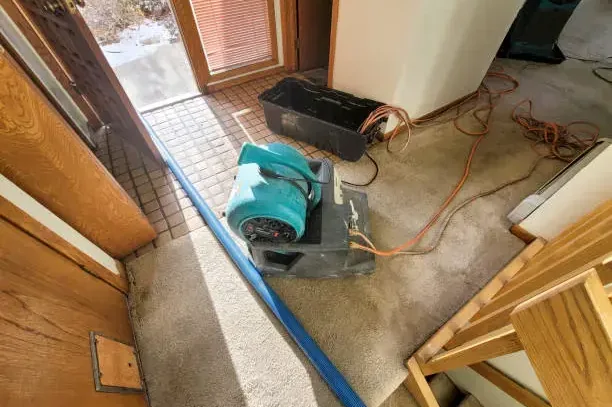
The Old Road connects Westridge and Stevenson Ranch proper. Building access and authorized contacts should be clear before repeated recovery visits begin. Equipment placement must account for the rooms still in use, the removal route and exposed openings. A property manager may need to coordinate those details when the affected space is part of a larger building.
The sewage cleanup page addresses a wastewater source when that is the identified problem. For storm intrusion, the final record should show entry conditions, removed debris, treated surfaces and moisture progress. Repairing the entry defect and restoring interior finishes are coordinated tasks, with closure based on the recovered material condition.
Safe access comes first
The response team keeps people away from wet electrical equipment and unstable ceilings. Occupants avoid entering contaminated water or disturbing soaked materials. Source isolation and safe access come before fans, cleaning or demolition, and the restoration assessment records those limits before work starts.
Storm flood cleanup around Stevenson Ranch
Storm intrusion assessments cover affected residential and commercial interiors across the community, with attention to the building entry, deposited residues and access to adjoining wet areas.
The same service nearby: storm flood cleanup in Newhall, Valencia, Castaic.
Water damage restoration in Stevenson Ranch · every town covered
Related water damage services in Stevenson Ranch
Storm Flood Cleanup questions in Stevenson Ranch, CA
Questions before work begins
Outdoor water leaves more than wet flooring. Describe the entry, debris and affected rooms so an assessment can organize removal and cleaning before retained materials are dried.
(888) 774-9605Discuss the flood contact areaIs outdoor water treated like a supply spill?
The source and contacted materials change the cleanup decisions. Outdoor water can introduce debris and residues that require removal and cleaning before drying. The assessment should identify the water condition and describe the handling appropriate to the affected property.
Can muddy flooring simply be mopped?
Visible mud removal is only one part of the work. Residues may remain beneath coverings, at wall edges or within absorbent materials. Inspection determines which layers need opening or replacement and which retained surfaces can be cleaned effectively.
What photographs are useful after entry stops?
Images of the entry point, deposited material and the farthest indoor spread help establish the loss footprint. Photographs should be taken from safe positions. A separate record of affected belongings supports handling decisions and the later discussion of replacement needs.
Should windows be opened to dry the building?
Drying conditions should be managed around the water condition, cleaning stage and equipment plan. Uncontrolled ventilation can disrupt that arrangement. The assessor should explain how the work area will be maintained while retained materials move toward their drying goals.
Who handles the damaged entry opening?
The property owner or manager coordinates the appropriate building repair alongside cleanup. Preventing renewed entry protects completed work. The recovery record should identify the opening involved so exterior repairs and interior material restoration can be planned together.
When can cleaned rooms return to use?
Room use depends on safe access, completed cleaning and the condition of exposed materials. Equipment and open assemblies may still restrict occupancy during drying. A closing assessment should explain remaining limits and the repair tasks needed before normal use resumes.
Follow the intrusion into hidden layers
The recovery scope should connect source protection, interior cleaning and moisture readings with the finish repairs still ahead.
(888) 774-9605Arrange an intrusion cleanup assessment