Structural Drying in Stevenson Ranch
A dry surface is useful progress, but the material underneath sets the next decision. Structural drying measures that deeper condition and adjusts access, air movement and dehumidification around the layers still holding moisture.
(888) 774-9605Discuss the remaining material moisture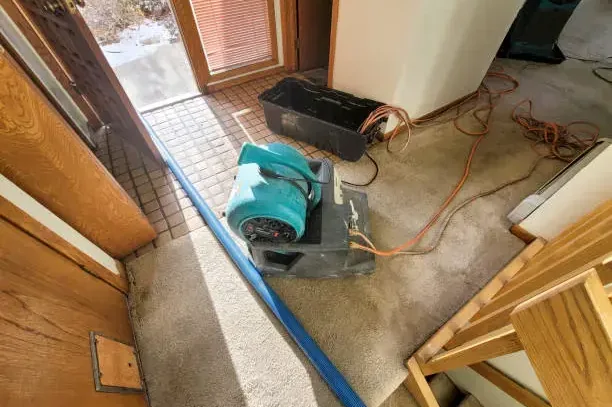
The essentials of structural drying and dehumidification
Comparable readings
Identifiable measurement locations make later results useful, showing whether a retained layer is progressing or needs a different treatment arrangement.
Access decisions
An opening is connected to the wet material it exposes, helping the owner understand why surface airflow alone may be insufficient.
Equipment explanation
Updates relate the drying setup to the remaining moisture so continued operation has a clear purpose beyond the disappearance of puddles.
Repair information
The closing moisture record gives the next contractor an understandable starting condition for replacing the removed finishes.
What to do after structural drying and dehumidification
- Share the completed source work
Provide the repair findings and note any sign of continued leakage. A stable source condition helps the assessment distinguish retained material moisture from water still entering the building.
- Identify the layers already opened
Describe removed flooring, wall cuts or exposed insulation left by earlier work. Those access points help the drying plan reach retained materials and identify areas that remain concealed.
- Discuss occupied room requirements
Tell the assessor which routes and rooms occupants need during recovery. Equipment placement can then account for practical access while keeping the drying area and necessary restrictions clearly defined.
- Keep the setup consistent
Avoid moving equipment or changing the established room arrangement without discussing it. Stable conditions make progress readings more useful and help the next assessment identify any genuine problem with recovery.
What does structural drying and dehumidification cost in Stevenson Ranch, CA?
Structural drying costs in Stevenson Ranch follow the wet materials, their accessibility and the equipment needed to recover them. Dense or enclosed layers can require additional treatment. The written scope should explain monitoring, access work and finish repairs as separate components.
Limited exposed materials
$1,000 to $2,500
- Accessible drying surfaces
- Focused equipment setup
- Recorded moisture checks
Several wet assemblies
$2,500 to $5,000
- Connected layer treatment
- Multiple monitoring locations
- Adjusted air movement
Dense or extensive loss
$5,000 to $10,000
- Complex material access
- Expanded drying arrangement
- Detailed progress assessment
Category, wet square footage, material class and delay before drying affect the scope. These are typical ranges, not a quote. Compare inputs in the water damage cost calculator.
How structural drying and dehumidification progresses
Establish a material baseline
Initial readings identify the retained wet layers and their accessible boundaries. The assessment records source status and existing openings so later changes can be interpreted against a clear starting condition for the property.
Set equipment around exposed moisture
Air movement and dehumidification are arranged for the affected assemblies and available room access. Any finish preventing effective treatment is evaluated for selective opening, with the reason explained before the scope expands.
Assess progress and adapt the setup
Repeat readings compare the same material locations where practical. Slow or rising measurements prompt an assessment of access, equipment arrangement and possible renewed water, leading to specific changes in the recovery plan.
Document the endpoint for repair planning
The final assessment addresses the retained materials identified during the work and records their condition. Remaining openings and replacement needs are described so the next repair stage can proceed with an understandable moisture history.
The room can look better long before its enclosed layers have recovered. Structural drying in Stevenson Ranch focuses on the moisture that extraction leaves within retained materials. The first measurements establish a starting condition, and later readings show whether the selected arrangement is working. This gives the property contact a practical answer to the question of why equipment remains when visible water has already disappeared.
Build the drying area around the assembly
The community's initially approved development included houses, condominiums and apartments. A drying setup therefore needs the actual layout: which wet layers are connected, which rooms are occupied and who can authorize access beyond a dwelling boundary. Separate surfaces may need different treatment even when they were wet during the same release. The inspection should identify those differences before equipment is positioned.
Westridge includes West Ranch High School and Rancho Pico Junior High. At a nearby residence, the relevant drying questions concern its own floor and wall assemblies. An enclosed backing layer can remain damp while the exposed face improves. Access decisions should make the wet material reachable rather than simply increasing air movement in the occupied room.
Use readings to decide what changes
Air movement supports evaporation from accessible surfaces, while dehumidification helps manage the moisture entering the air. Both depend on the condition of the work area. Open doors, moved equipment or newly discovered wet layers can change performance. Updates should explain those conditions in ordinary terms, identifying which measurements improved and which locations need a revised approach.
- Record starting moisture conditions at identifiable locations within the affected assembly.
- Revisit comparable points so progress can be evaluated consistently during the work.
- Adjust access when a finish prevents the drying method from reaching retained moisture.
- Keep the source repair status connected to any unexpected increase in wet readings.
Repair decisions follow moisture inside retained materials. Describe the source, completed removal and exposed layers so the drying assessment can establish remaining treatment and monitoring needs.
(888) 774-9605Discuss a measured material recovery planPlan reinstatement from the final assessment
Valencia Boulevard is the major east-to-west thoroughfare in Westridge. For a property there, repeat entry arrangements help maintain a useful drying record. The responsible contact should know when access is needed and which equipment settings or room boundaries are part of the setup. This supports consistent conditions between measurements and makes changes easier to interpret.
The community water damage page outlines the wider recovery services. Drying completion should address the retained layers identified at the start, along with any additional wet area discovered during work. A final handoff records the results and remaining finish needs, allowing repair planning to proceed from the material condition rather than a predetermined equipment removal date.
Safe access comes first
The response team keeps people away from wet electrical equipment and unstable ceilings. Occupants avoid entering contaminated water or disturbing soaked materials. Source isolation and safe access come before fans, cleaning or demolition, and the restoration assessment records those limits before work starts.
Structural drying and dehumidification around Stevenson Ranch
Material drying assessments cover affected homes and commercial spaces throughout the community, including Westridge, with equipment and monitoring access planned around the building's occupied areas.
The same service nearby: structural drying and dehumidification in Newhall, Valencia, Castaic.
Water damage restoration in Stevenson Ranch · every town covered
Related water damage services in Stevenson Ranch
Structural Drying and Dehumidification questions in Stevenson Ranch, CA
Questions before work begins
Repair decisions follow moisture inside retained materials. Describe the source, completed removal and exposed layers so the drying assessment can establish remaining treatment and monitoring needs.
(888) 774-9605Discuss a measured material recovery planWhy does equipment remain after the floor looks dry?
The visible face can improve before backing or enclosed material reaches the intended drying condition. Equipment stays while readings show a continuing need. Progress updates should identify those locations so the property contact understands the reason for ongoing treatment.
Can the drying setup be turned off overnight?
Changes to equipment operation affect the conditions established for recovery. The responsible contact should discuss noise or access concerns with the team managing the setup. An agreed adjustment can address those needs while preserving a useful, measured drying process.
How are concealed layers evaluated?
Accessible edges, existing openings and material measurements help identify moisture beneath finishes. Some assemblies need selective access before meaningful treatment is possible. The scope should explain where that opening is needed and what retained layer it allows the drying method to reach.
Is a fixed number of drying days reliable?
Materials differ in thickness, exposure and retained water, so progress needs measurement. A projected schedule can be updated as readings develop. The completion decision should reflect the recovered assembly and any remaining access issue instead of a fixed calendar promise.
What if one area is drying more slowly?
A slower location may need a different equipment arrangement or better access to its wet layer. The assessment should also consider renewed water. A useful update identifies the cause being addressed and explains the change made to improve recovery there.
What should the repair contractor receive?
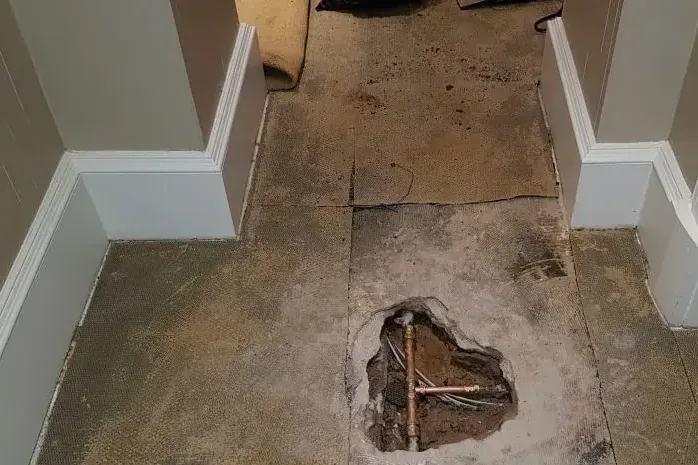
The contractor should receive the drying results, locations of removed finishes and any remaining access requirements. That record describes the retained assembly's condition before rebuilding. Source repair information is also useful when coordinating closure around an area previously opened for plumbing work.
Give the hidden layers a clear endpoint
A documented drying assessment can explain equipment placement, needed access and the condition of retained surfaces before replacement finishes close the work area.
(888) 774-9605Arrange a drying progress assessment