Water Extraction in Canyon Country
A puddle that crosses a doorway has already expanded the inspection area. Water removal starts by tracing connected spaces, protecting dry access and choosing collection methods for the affected surfaces.
(888) 774-9605Arrange indoor water collection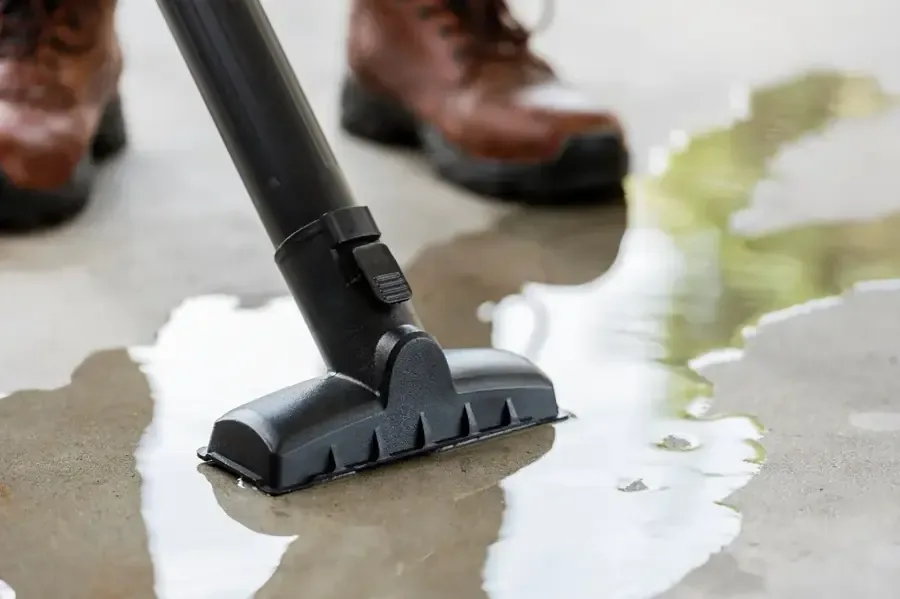
The essentials of water extraction and removal
Edges get attention
A puddle's boundary includes concealed transitions. Inspection follows room edges so extraction targets the full accessible spread.
Collection suits the finish
Surface condition determines equipment contact and handling. Sensitive floor coverings need a considered approach during water removal.
Access stays deliberate
Hoses and moved contents can obstruct exits. Planning a work route helps keep unaffected areas usable during collection.
The handoff is documented
Residual readings identify what extraction leaves behind. Drying starts with those observations instead of an assumption that pooling was everything.
What to do after water extraction and removal
- Choose a dry approach
Keep occupants on a dry path and avoid wet electrical equipment. Tell the responder where pooling blocks doors or leaves the room difficult to enter safely.
- Limit fresh water safely
Close an accessible source valve only when its approach is dry and safe. Leave concealed plumbing faults for a professional to investigate and repair before reuse.
- Identify connected rooms
List the spaces reached by the spill, including closets and cabinet edges. Photograph the visible spread without stepping into an area with unknown electrical or contamination hazards.
- Leave equipment access
Move small clean belongings from a safe adjoining area. Avoid pulling soaked furniture across the floor, where dragging can damage finishes and spread water into dry spaces.
What does water extraction and removal cost in Canyon Country, CA?
Canyon Country extraction costs vary with collection volume, surface access and the layers holding water. The estimate should identify equipment needs and disposal handling, then distinguish the remaining drying work from the initial removal of pooling.
Contained room
$500 to $1,500
- Open floor access
- Limited collection area
- Visible perimeter checks
Several wet spaces
$1,500 to $3,000
- Connected room surfaces
- Additional hose routing
- Broader extraction passes
Water beneath finishes
$3,000 to $7,500
- Concealed layer access
- Complex floor handling
- Expanded moisture assessment
Category, wet square footage, material class and delay before drying affect the scope. These are typical ranges, not a quote. Compare inputs in the water damage cost calculator.
How water extraction and removal progresses
Locate the outer wet edge
The assessment follows pooling through doorways, fixed furnishings and adjacent floor sections. Findings establish the collection area and identify surfaces needing protection before equipment enters the room.
Select a collection approach
Equipment is matched to the water depth, surface condition and available access. Sensitive finishes and contamination concerns affect the method, while safe disposal is considered before extracted water leaves the building.
Work through accessible surfaces
Collection proceeds across the mapped area with attention to edges and transitions. Furniture handling and removable floor layers are coordinated so hidden pockets do not remain outside the active extraction work.
Record residual moisture
After visible water is removed, measurements identify materials still needing treatment. The remaining scope may include opening floor edges, removing unsuitable backing or arranging drying around retained materials in adjoining rooms.
The deepest puddle is an obvious starting point, but the farthest wet edge often tells more about the work ahead. In Canyon Country, an extraction assessment should follow water beneath doors and around fixed cabinets before equipment is positioned. A room that looks unaffected from its entrance may have damp carpet backing at a shared wall. Those connections belong in the removal plan.
Read the floor before choosing equipment
Whites Canyon includes midcentury housing, and Vista Canyon includes contemporary tract homes. Inside either setting, the installed floor determines what can be extracted from above and what requires access underneath. A wand can collect water from an accessible surface; it cannot reach every sealed layer simply by making repeated passes. Moisture readings help locate the edges that need closer attention.
- Inspect both sides of thresholds where water disappeared beneath a door.
- Check furniture contact points before dragging heavy pieces across wet finishes.
- Note cabinet bases that conceal floor edges from an ordinary view.
- Separate visibly contaminated areas from spaces suitable for clean equipment access.
Keep outdoor pumping and indoor recovery distinct
The March 2019 response at American Beauty and Trestles Home included diversion and pumping of accumulated water during a hillside emergency. Indoor extraction addresses water inside the building, with separate decisions about floor layers, contents and room access. If unstable ground affects entry, the access problem must be resolved before interior equipment is brought through the property.
Within a safe interior, collection should reduce standing water before air movement becomes the main drying tool. The operator checks how the covering responds and whether the water has reached adjoining materials. Disposal arrangements also need to suit the water condition rather than simply moving dirty water into another occupied area or an unsuitable drain.
Standing water across a room deserves a clear removal plan. Describe the floor covering, visible spread and any blocked entrance so the assessment begins with the conditions that affect collection.
(888) 774-9605Discuss floor water removalFinish removal with a map of what remains
A floor can stop feeling wet underfoot while its backing or perimeter remains damp. The extraction record should identify residual wet areas and materials needing further evaluation. Measured structural drying then addresses moisture left in retained assemblies after collection.
Before equipment is repositioned, review the rooms that shared the water path. A closet, corner or concealed floor edge missed during the initial response can slow recovery. Keep those locations visible in the work notes so later repair decisions reflect the entire affected area.
Stay on dry ground when water is near outlets or equipment. Leave heavy furniture in place until safe movement and the condition beneath it can be assessed.
Safe access comes first
The response team keeps people away from wet electrical equipment and unstable ceilings. Occupants avoid entering contaminated water or disturbing soaked materials. Source isolation and safe access come before fans, cleaning or demolition, and the restoration assessment records those limits before work starts.
Water extraction and removal around Canyon Country
Water collection assessments cover homes around Pinetree, Shadow Pines and Sierra Highway, with attention to safe entry, floor access and the rooms connected by the spill.
The same service nearby: water extraction and removal in Newhall, Stevenson Ranch, Valencia.
Water damage restoration in Canyon Country · every town covered
Related water damage services in Canyon Country
Water Extraction and Removal questions in Canyon Country, CA
Questions before work begins
Standing water across a room deserves a clear removal plan. Describe the floor covering, visible spread and any blocked entrance so the assessment begins with the conditions that affect collection.
(888) 774-9605Discuss floor water removalWill a wet vacuum resolve the whole loss?
A household vacuum may collect an accessible puddle but leave water in floor layers or wall edges. The important follow up is assessing the spread. Collection and material drying solve different parts of the same water problem.
Can extraction save a carpet that feels saturated?
Condition, water source and backing all affect that decision. Extraction can remove substantial moisture from suitable carpet, but contaminated or deteriorated layers may require removal. The assessment should explain which materials can remain and why.
Why inspect a closet away from the puddle?
Water can travel along a floor edge and enter spaces outside the initial view. A nearby closet may contain absorbent belongings against that edge. Checking it helps avoid leaving an overlooked damp area behind the completed extraction.
Does moving water outdoors finish the cleanup?
Removing water from the building reduces pooling, but retained materials still need assessment. Disposal must also suit the water condition. A drying plan addresses moisture held in the room after the collection equipment has finished operating.
Should furniture be lifted before the visit?
Only move manageable items when the approach is safe. Heavy wet pieces can damage flooring or conceal unstable surfaces. Tell the responder what remains in the room so appropriate protection and handling can be included in the work.
What marks the transition from extraction to drying?
The change comes when accessible pooling has been collected and remaining moisture is held mainly in materials. Readings and inspection identify that condition. The next setup targets those materials rather than continuing surface collection without a clear purpose.
Explain where the puddle has traveled
Keep the wet area clear while source control, access and equipment needs are considered together.
(888) 774-9605Arrange a pooling assessment