Structural Drying in Canyon Country
When the puddle is gone, the important question moves inside the material. Drying uses measured conditions, suitable access and controlled room air to recover retained assemblies before they receive replacement finishes.
(888) 774-9605Discuss the remaining material moisture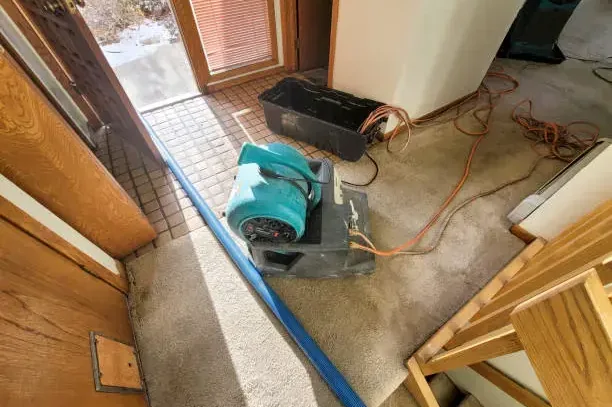
The essentials of structural drying and dehumidification
Materials define the goal
The retained assembly determines access and monitoring needs, giving the drying plan a specific purpose beyond operating equipment.
Comparisons show progress
Readings at useful repeated locations help explain material response and identify areas needing a revised approach during recovery.
Changes have reasons
Equipment and access adjustments should respond to observations so the owner can understand the next drying decision.
Repair handoff is practical
Completion notes describe retained condition and unfinished tasks so new finishes follow a useful record of the building's recovery.
What to do after structural drying and dehumidification
- Report renewed water entry
Tell the drying professional about new dripping or plumbing changes. Continuing escape can undermine recovery, so repair information needs to remain connected with the material drying scope.
- Preserve the room arrangement
Discuss changes to doors, windows or equipment before altering the setup. Moving a machine away from a wet assembly changes the conditions between scheduled checks.
- Keep measurement locations accessible
Leave exposed walls and floor edges clear of storage. Matching locations allow useful comparisons and keep belongings from concealing materials that still need attention during drying.
- Coordinate finish work
Tell the repair trade which materials remain under monitoring. Coverings should follow assessed condition, with outstanding damp areas identified before closure makes them difficult to reach again.
What does structural drying and dehumidification cost in Canyon Country, CA?
Structural drying costs in Canyon Country depend on retained material depth, access and the area needing environmental control. The estimate should explain equipment, monitoring and any access work, with source repair and replacement finishes shown separately from the moisture recovery scope.
Limited exposed materials
$1,000 to $2,500
- Accessible wet surfaces
- Compact equipment layout
- Focused comparison readings
Several wet assemblies
$2,500 to $5,000
- Connected material types
- Additional monitoring locations
- Broader airflow control
Dense or extensive loss
$5,000 to $10,000
- Difficult retained layers
- Expanded environmental management
- Complex drying access
Category, wet square footage, material class and delay before drying affect the scope. These are typical ranges, not a quote. Compare inputs in the water damage cost calculator.
How structural drying and dehumidification progresses
Establish retained material condition
The assessment identifies what remains after extraction and records moisture at useful locations. Suitable dry references and source status frame the goal, while inaccessible areas are marked for further evaluation.
Arrange effective material access
Equipment placement responds to exposed surfaces, room connections and safely available power. Access limitations are addressed so air movement and humidity control influence the wet assembly throughout the affected space.
Compare progress and adjust treatment
Repeat readings are considered alongside room conditions and material changes. Slow response prompts a specific access or equipment decision, with the reason recorded to explain the revised approach during recovery.
Document readiness for finishes
The final assessment identifies materials checked and unresolved areas. Those findings support repairs, separating measured building condition from cosmetic work and clarifying what can be closed after the equipment leaves.
Equipment noise is easy to notice; moisture change inside a wall is less obvious. A useful drying plan makes that progress visible through recorded measurements and material observations. In Canyon Country, the plan should identify the wet assembly, explain how air and moisture control will reach it and establish which locations will be checked as the retained material recovers.
Start with the assembly rather than the room label
Whites Canyon includes midcentury homes, and Vista Canyon includes contemporary tract housing. Their actual wall and floor layers still need inspection at the affected property. A room name such as kitchen or bedroom says little about trapped moisture behind a finish. The drying scope needs the material, access and condition that determine whether water can leave the assembly.
In Falcon Ridge, as elsewhere in the community, a wet cabinet base may need different exposure from an open wall. Dense layers, enclosed cavities and damaged finishes can limit the effect of room air. Selective removal should therefore have a stated purpose: reaching unsuitable material or creating access to retained surfaces that need drying rather than opening rooms indiscriminately.
Use the environment to support material recovery
Air movement and humidity control work together once suitable access exists. Placement should direct treatment toward the affected assembly while keeping safe routes through the property. Owners should discuss door positions, occupied rooms and equipment access with the cleanup professional because changes to the room environment can alter drying conditions between monitoring visits.
- Record where readings are taken so later comparisons address matching locations.
- Inspect difficult corners that may remain damp while exposed surfaces improve.
- Inspect newly opened layers before deciding the current equipment arrangement is sufficient.
- Keep retained material notes separate from the list of replacement finishes.
A drying plan should explain what is wet, how it will be reached and how progress will be checked. Describe the affected assembly and any work already completed so the remaining material recovery can be assessed clearly.
(888) 774-9605Discuss the material drying planLet readings explain changes and the stopping point
A slowing response can indicate that a concealed layer needs attention or the setup needs adjustment. The record should explain changes rather than simply extending equipment operation without a material based reason. After accessible water removal, the remaining work is about moisture held inside the building, so measured progress belongs at the center of decisions.
Before closure, compare affected materials with suitable dry references and document the remaining repair tasks. A surface that feels dry, a quiet room after equipment removal or an improved appearance is not the complete handoff. The owner and repair trade need useful information about the retained assembly that will soon be concealed by new finishes.
Keep equipment routes clear and discuss any change to placement with the drying professional. Avoid handling wet electrical connections or entering restricted removal areas to reach a machine.
Safe access comes first
The response team keeps people away from wet electrical equipment and unstable ceilings. Occupants avoid entering contaminated water or disturbing soaked materials. Source isolation and safe access come before fans, cleaning or demolition, and the restoration assessment records those limits before work starts.
Structural drying and dehumidification around Canyon Country
Drying assessments around Canyon Crest, Pinetree and Sierra Highway focus on retained building materials, available access and the conditions needed to measure recovery inside the property.
The same service nearby: structural drying and dehumidification in Newhall, Stevenson Ranch, Valencia.
Water damage restoration in Canyon Country · every town covered
Related water damage services in Canyon Country
Structural Drying and Dehumidification questions in Canyon Country, CA
Questions before work begins
A drying plan should explain what is wet, how it will be reached and how progress will be checked. Describe the affected assembly and any work already completed so the remaining material recovery can be assessed clearly.
(888) 774-9605Discuss the material drying planWhy are readings needed when the floor feels dry?
Touch describes only the accessible surface and can miss moisture beneath a covering or inside a wall. Measurements add information about retained materials. Comparing useful locations helps establish whether the assembly is recovering before a new finish makes it difficult to inspect.
Can more fans solve an enclosed wet cavity?
Air movement needs suitable access to affect the wet material. An enclosed layer may require a different opening or treatment arrangement instead of more equipment in the room. The assessment should explain what prevents moisture release and how the chosen approach addresses it.
What should happen when measurements stop improving?
The professional should examine material access, room conditions and the equipment arrangement. A stubborn location may require a specific change rather than continued operation without explanation. Monitoring notes should identify the concern and describe how the next adjustment will address that material.
May occupants move a machine to reduce noise?
Discuss any needed change with the drying professional before moving equipment. Position can affect the treatment of a specific wall or floor area. Household comfort matters, but adjustments should preserve effective access and safe operation within the agreed drying arrangement at the property.
Does every material reach its endpoint at once?
Different materials and access conditions can respond at different rates. A floor edge may need attention after an exposed wall improves. The record should track those differences so completion reflects the retained assembly rather than the quickest surface to appear dry inside the room.
What information should the repair trade receive?
Provide the source status, the locations opened or removed and the retained material findings. Identify any area still requiring attention before closure. Those details help coordinate replacement finishes around the actual recovery condition rather than assuming equipment removal alone means every surface is ready.
Ask which retained surfaces still need attention
Keep measured locations accessible while equipment decisions and readiness for replacement finishes are reviewed together.
(888) 774-9605Arrange retained moisture assessment