Slab Leak Damage in Canyon Country
A recurring damp edge deserves more than another towel. Once the plumbing source is located, the cleanup assessment follows moisture through flooring, wall bases and nearby storage before replacement finishes are considered.
(888) 774-9605Discuss concealed floor moisture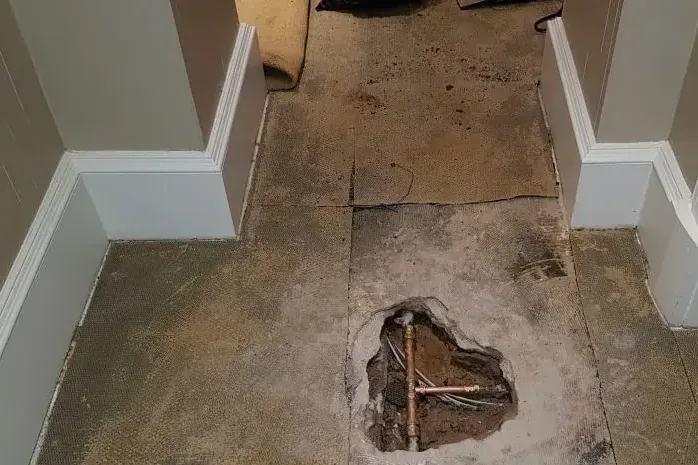
The essentials of slab leak water damage
Purposeful access
Plumbing location and finish damage are considered together so the work area reflects the leak and the escaped water.
Layer awareness
Floor coverings can conceal wet substrates. Inspection identifies the material that needs treatment before a replacement finish is selected.
Connected edge checks
Moisture at trim and thresholds can outlast visible dampness. Those edges remain part of the drying assessment.
Clear handoff notes
The final record separates source repair, retained material condition and unfinished cosmetic work so the next trade has useful information.
What to do after slab leak water damage
- Record recurring symptoms
Note which floor edge becomes damp and whether trim has changed shape. Photograph the area before moving light belongings from an accessible part of the room.
- Arrange source investigation
A plumbing professional needs to locate the escape and determine the repair. Avoid destructive exploratory openings that could miss the pipe and unnecessarily damage surrounding dry materials.
- Keep the opening protected
Once repair access exists, prevent entry into the work area. Loose finishes, sharp debris and an unfinished floor opening make ordinary walking routes unsuitable until properly secured.
- Delay covering damp layers
Leave replacement flooring decisions until the affected assembly has been inspected. Covering a damp substrate can conceal the remaining problem and complicate the next stage of recovery.
What does slab leak water damage cost in Canyon Country, CA?
Slab leak damage work in Canyon Country is priced around affected finish layers, room connections and access needs. Plumbing detection, pipe repair and new floor installation should be identified separately from water removal and the drying scope.
Small affected edge
$1,500 to $3,000
- Localized trim exposure
- Limited floor assessment
- Focused drying equipment
Several connected rooms
$3,000 to $7,500
- Multiple damp transitions
- Additional material access
- Connected assembly monitoring
Extensive floor recovery
$7,500 to $12,000
- Broad covering removal
- Dense retained layers
- Expanded substrate checks
Category, wet square footage, material class and delay before drying affect the scope. These are typical ranges, not a quote. Compare inputs in the water damage cost calculator.
How slab leak water damage progresses
Connect the repair and moisture findings
The plumbing location is compared with visible damage and material readings. This identifies where source access ends and where water affected finishes require a separate cleanup decision.
Expose the layers needing treatment
Removal is limited to materials that cannot remain or prevent access to wet layers. Clean surrounding areas receive protection, and the scope records which flooring, trim or cabinet edges stay in place.
Manage moisture above the slab
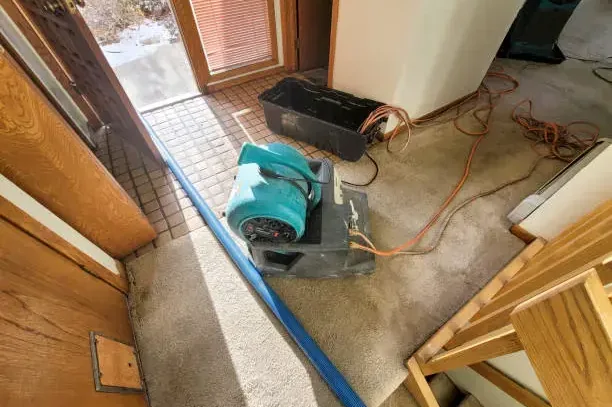
Drying arrangements target the retained assembly rather than only the repair opening. Readings at floor transitions and room edges show whether moisture release is progressing or additional access needs to be considered.
Prepare the information for reinstatement
Final observations describe retained materials and checked locations. The owner can coordinate finish replacement with the appropriate trade while keeping source repair information distinct from the cleanup completion record.
A leak beneath a slab can first become noticeable somewhere else: along a floor joint, at a cabinet toe kick or beneath stored belongings. The cleanup problem is the water that reached the building materials above and beside the source. In Canyon Country, the plumber's findings and a separate moisture assessment should meet in one practical plan for access and recovery.
Follow symptoms without opening unrelated areas
Whites Canyon contains housing examples from an earlier period, while Vista Canyon has contemporary tract housing. Neither description tells an owner where a particular pipe runs. Locating the actual leak keeps plumbing access purposeful. Mapping moisture above the slab then shows which finishes need attention, including materials that may sit away from the eventual repair opening.
Near Sierra Highway, a household describing a repeatedly damp room should mention when the condition returns and whether a shutoff changes it. Those observations help the plumbing investigation. For cleanup, photographs of swollen trim or darkened floor joints can identify useful inspection points even when the surface has temporarily dried by the time of the visit.
Coordinate access beneath and above the floor
Plumbing repair may require an opening that affects an already wet finish. Before either task proceeds, establish which area the plumber needs and which additional material is damp. That conversation can prevent replacement work from covering a neighboring wet layer. Protect clean rooms from removed debris and keep the repair opening inaccessible to children and pets.
- Mark soft trim separately from the location of the plumbing opening.
- Check floor transitions where moisture can continue beneath another installed finish.
- Inspect storage against damp walls before returning boxes to their positions.
- Record retained layers so later measurements address the same material locations.
Repeated dampness at a floor edge needs a coordinated source and cleanup assessment. Describe the visible changes, any plumbing findings and the rooms sharing that edge before decisions about removal or replacement begin.
(888) 774-9605Discuss the damp floor edgeLet the drying result control finish replacement
A repaired pipe stops the supply of new water; retained flooring layers may still hold the old moisture. Structural drying should account for the exposed assembly, room conditions and accessible wet edges. Some finishes need selective removal to allow that work, while suitable exposed materials may remain under monitoring.
The completion record should distinguish the plumbing repair from the condition of the surrounding building materials. Before new covering is installed, the flooring professional needs appropriate substrate information. A dry looking surface, a closed repair hole or the absence of a fresh puddle should not replace measurements of materials that were affected by the escape.
Keep exposed floor openings restricted during plumbing and cleanup work. Avoid lifting unstable coverings or disturbing pipe access until the responsible professional establishes safe handling.
Safe access comes first
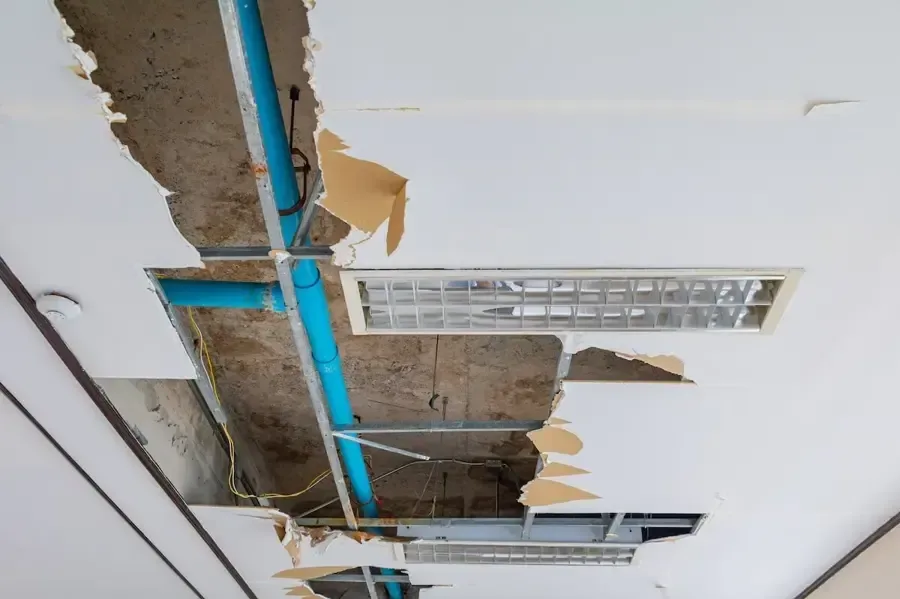
The response team keeps people away from wet electrical equipment and unstable ceilings. Occupants avoid entering contaminated water or disturbing soaked materials. Source isolation and safe access come before fans, cleaning or demolition, and the restoration assessment records those limits before work starts.
Slab leak water damage around Canyon Country
Assessments in Canyon Crest, Falcon Ridge and Vista Canyon focus on the actual plumbing location and the floor layers affected inside the individual property.
The same service nearby: slab leak water damage in Newhall, Stevenson Ranch, Valencia.
Water damage restoration in Canyon Country · every town covered
Related water damage services in Canyon Country
Slab Leak Water Damage questions in Canyon Country, CA
Questions before work begins
Repeated dampness at a floor edge needs a coordinated source and cleanup assessment. Describe the visible changes, any plumbing findings and the rooms sharing that edge before decisions about removal or replacement begin.
(888) 774-9605Discuss the damp floor edgeDoes a damp floor prove the pipe is beneath it?
The visible moisture location can differ from the plumbing defect. A professional investigation should establish the source before destructive access. Cleanup inspection follows the affected finishes, which may extend beyond the place selected for the pipe repair.
Can drying start before the pipe repair is finished?
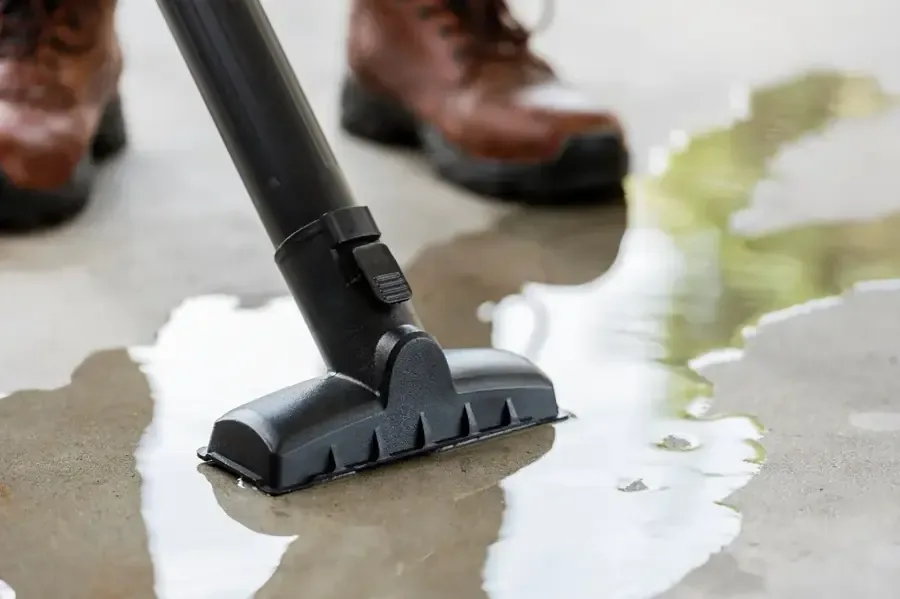
Protective extraction and assessment may proceed when access is safe, but continuing leakage interferes with recovery. The work sequence should coordinate source control and drying so equipment is not trying to offset water still entering the assembly.
Why inspect baseboards when the leak is below?
Water reaching a floor edge can wet absorbent trim and the wall base. Those materials may remain damp after the surface is wiped. Inspecting them helps define the cleanup boundary and identifies areas that need drying access.
Will the whole room need new flooring?
The answer depends on the installed layers, their condition and access requirements. Some areas may be recoverable, while damaged or trapped wet layers need removal. The scope should explain each material decision rather than assume complete replacement.
What should be kept from the plumbing visit?
Save the findings that identify the leak location, the repair performed and any access opening created. Photos help connect that record to the cleanup area. Material readings and finish replacement documents can then be organized alongside the source repair.
When can stored belongings return to the wall?
Wait until the wall edge has been assessed and the drying work allows storage there. Boxes pressed against an active drying area can block inspection and airflow. Check the belongings themselves before returning them to a recovered space.
Bring the repair findings into the conversation
Keep affected storage accessible so the inspection can follow moisture beyond the initial plumbing opening.
(888) 774-9605Arrange slab damage assessment