Canyon Country Commercial Water Damage
A wet business area affects more than its flooring. Cleanup needs a clear building contact, protected access and decisions about contents, electrical concerns and occupied spaces before equipment changes the way people move.
(888) 774-9605Discuss the affected business areas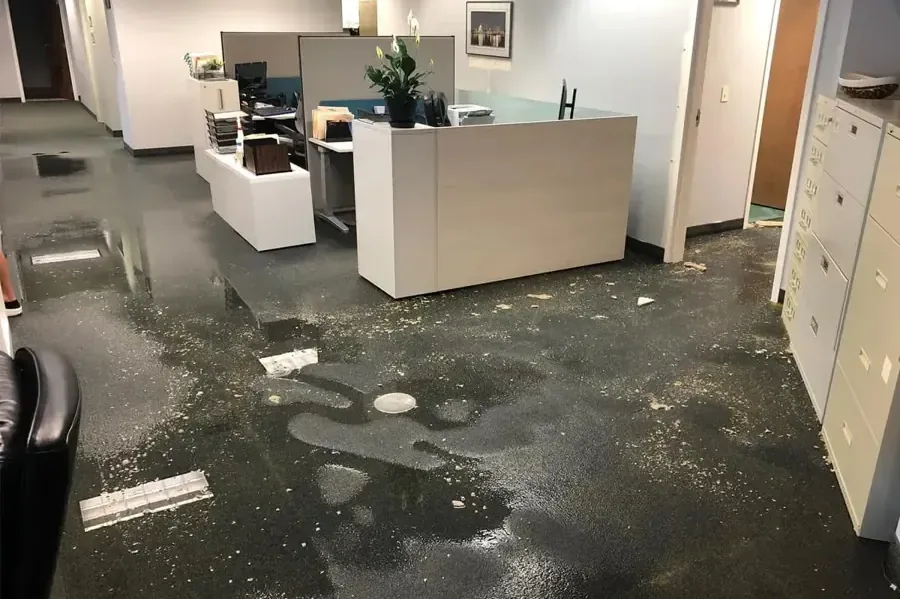
The essentials of commercial water damage
Communication has an owner
A designated contact connects access, approvals and operating needs so the recovery work has clear direction inside the building.
Zones make progress visible
Tracking affected areas separately helps explain material response and work limits when different rooms need different recovery decisions.
Contents stay accounted for
Documented handling responsibilities keep equipment and stock decisions distinct from the treatment of building materials during cleanup.
Handoffs support occupancy decisions
Completion records identify assessed conditions and unfinished tasks so management can coordinate repair and room use with useful information.
What to do after commercial water damage
- Name the decision contact
Identify someone who can explain the layout, authorize access and coordinate occupants. Consistent communication avoids conflicting instructions while affected rooms and protection needs are assessed.
- Protect people before stock
Keep staff away from wet electricity, unstable ceilings and contaminated water. Describe blocked exits or essential passages before equipment changes the routes through the building.
- Record contents by location
Photograph equipment and stored goods safely before movement changes their positions. Separate building observations from contents decisions so specialist handling and authorization can be coordinated.
- Explain operating constraints
Mention locked areas and activities relying on nearby rooms. Practical work zones must account for those constraints while material condition determines removal and drying needs.
What does commercial water damage cost in Canyon Country, CA?
Commercial cleanup costs in Canyon Country depend on affected zones, access restrictions, retained materials and contents coordination. A clear estimate should separate building recovery from specialist equipment treatment, source repair and reconstruction, with any staged work explained by its actual scope.
Limited business area
$2,500 to $8,000
- Accessible affected zone
- Focused contents coordination
- Compact drying layout
Several connected zones
$8,000 to $15,000
- Multiple access decisions
- Expanded material assessment
- Broader occupancy planning
Extensive building loss
$15,000 to $30,000
- Complex work sequencing
- Broad retained assemblies
- Coordinated recovery records
Category, wet square footage, material class and delay before drying affect the scope. These are typical ranges, not a quote. Compare inputs in the water damage cost calculator.
How commercial water damage progresses
Establish responsibilities and work zones
The building contact explains access, occupants and source status. Connected wet areas are identified so the scope addresses damaged materials alongside practical conditions for working inside the property and coordinating affected activities.
Protect routes and coordinate contents
Equipment and debris routes are planned with occupied areas considered separately. Contents left in place are documented, and handling responsibilities are assigned before movement changes the layout or blocks a needed passage.
Recover affected building assemblies
Water is collected and unsuitable layers are removed within the scope. Retained materials receive suitable drying, with monitoring organized by zone so progress and remaining work can be explained to the building contact.
Prepare the occupancy handoff
Completion notes connect source information, material decisions and final observations. Outstanding repairs and contents tasks remain identified, helping the contact coordinate reinstatement around assessed conditions rather than the appearance of a finished room.
A leak in a working building creates competing needs: protect people, preserve contents and establish what can remain operational. Commercial water damage assessment in Canyon Country should start with a designated building contact who can explain access, affected activities and approval responsibilities. The cleanup plan then follows the wet materials while keeping those operational needs visible in the scope instead of treating the property as an empty room.
Plan around the building's actual use
Canyon Country Community Center includes a gymnasium, banquet hall and kitchen facilities. College of the Canyons also has a local campus. These building uses illustrate why a water recovery plan must consider different room functions. Storage, food preparation areas, occupied desks and larger gathering spaces each present distinct contents and access decisions when water affects a working property.
For a business around Sierra Highway, describe which areas became wet and which activities rely on passing through them. Equipment cords, hoses and temporary barriers can alter familiar routes. The assessment needs to identify a protected approach for workers and contents handling while any decision to keep part of the building occupied is made around the actual conditions.
Separate contents decisions from building treatment
Computers, records, stock and fixed furnishings need their own handling assessment. Keep affected items identified and avoid carrying wet materials through clean storage without a plan. Building cleanup addresses floors, walls and cavities; specialist contents decisions may require another provider or owner authorization. A written scope should make those boundaries understandable before work begins to change the layout of the room.
- Assign a contact who can authorize access to locked affected spaces.
- Record contents left in place and the protection planned around each group.
- Identify occupied routes that must remain separate from active removal work.
- Track wet areas by room or zone so changing conditions remain understandable.
A working building needs a cleanup scope that accounts for people, contents and material recovery together. Describe the affected zones and the responsible contact so access, immediate protection and the next decisions can be organized clearly.
(888) 774-9605Discuss the business recovery scopeStage recovery around measured building conditions
Where practical, work can be organized around defined affected zones, with the limitations of each zone made clear. Material drying still depends on access and retained moisture, even when business scheduling creates pressure to restore the room quickly. Explain which tasks can occur together and which require a dry, accessible assembly before the next trade begins.
The completion record should connect initial observations, source repair status, material removal and drying results. A business contact needs to know what has been completed and which repair or contents decisions remain open. That record supports a considered return to use and keeps an attractive repaired surface from obscuring an unfinished problem behind it.
Restrict wet areas before directing staff or visitors through the building. Report affected electrical equipment, blocked exits and unstable finishes to the designated building contact.
Safe access comes first
The response team keeps people away from wet electrical equipment and unstable ceilings. Occupants avoid entering contaminated water or disturbing soaked materials. Source isolation and safe access come before fans, cleaning or demolition, and the restoration assessment records those limits before work starts.
Commercial water damage around Canyon Country
Commercial assessments around Golden Valley Road, Sierra Highway and the College of the Canyons area consider building access, affected activities and the materials within each wet zone.
The same service nearby: commercial water damage in Newhall, Stevenson Ranch, Valencia.
Water damage restoration in Canyon Country · every town covered
Related water damage services in Canyon Country

Commercial Water Damage questions in Canyon Country, CA
Questions before work begins
A working building needs a cleanup scope that accounts for people, contents and material recovery together. Describe the affected zones and the responsible contact so access, immediate protection and the next decisions can be organized clearly.
(888) 774-9605Discuss the business recovery scopeCan a business remain open during water cleanup?
That depends on the damage, safe routes and separation from the work area. The assessment should identify practical limitations before occupancy decisions are made. A dry room may still be difficult to use if reaching it requires crossing active cleanup or unstable materials.
Who should coordinate the response inside a shared building?
A designated contact should organize access and connect the cleanup provider with owners, occupants and responsible repair professionals. Clear communication helps establish approvals and room availability. It also keeps changes to the work area from being directed by competing instructions during recovery.
Are computers and records part of ordinary building drying?
Contents need their own handling decisions, and specialist assessment may be appropriate for sensitive equipment or documents. Building drying focuses on affected assemblies. The scope should identify what remains in place, who handles contents and which items need separate authorization before movement or treatment.
Why divide the damage record into zones?
Room or zone records make it easier to track different materials, access limits and progress. They help explain which area needs continued work and which task is complete. Those records let managers schedule repairs around each area's drying progress and remaining access needs.
Does a repaired source make a room ready for staff?
Source repair prevents further escape but leaves other questions about wet materials, electrical contact and safe access. The affected area needs assessment before normal activity resumes. Keep source findings separate from the recovery observations that describe the condition of the room itself.
What should management receive before finish work begins?
Useful records include the initial scope, affected material locations, removal decisions and drying observations. Identify unresolved source, contents and repair tasks clearly. Those documents help coordinate the next trade and explain which conditions were assessed before new finishes conceal the retained building assembly.
Identify the building contact and affected activities
Keep room records and source findings available while access and material treatment are coordinated for the property.
(888) 774-9605Arrange commercial damage assessment