Canyon Country Storm Flood Cleanup
Mud at a doorway changes the recovery plan. Before indoor cleanup begins, safe access, continuing water entry and the materials touched by outdoor runoff all need attention at the affected property.
(888) 774-9605Discuss stormwater inside the property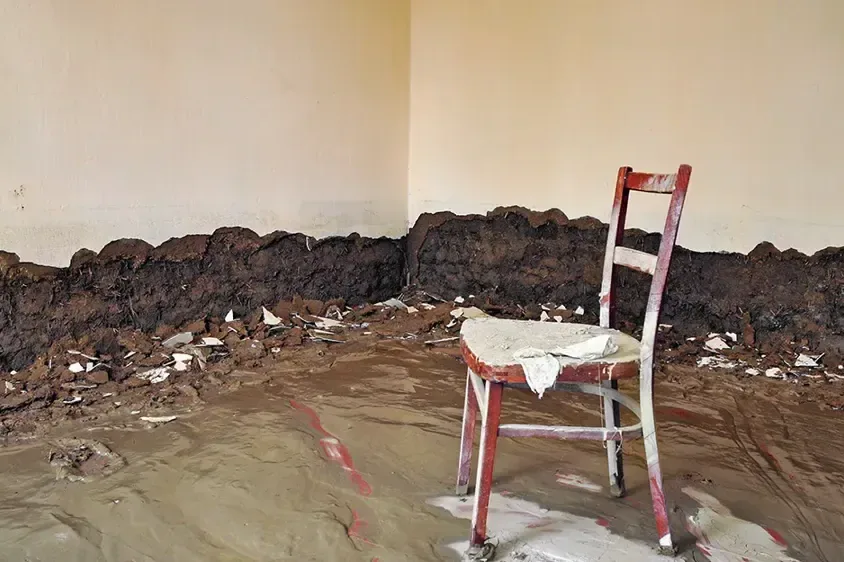
The essentials of storm flood cleanup
Entry is documented
The observed opening and water path establish the interior scope and identify unresolved source work before finishes are replaced.
Sediment changes handling
Outdoor debris can reach hidden joints. Cleaning decisions consider contact inside the assembly as well as visible surface deposits.
Access remains central
A workable interior plan requires a safe approach and usable routes for equipment, affected contents and controlled debris removal.
Repairs stay explicit
The recovery record distinguishes cleaned materials from exterior source work and replacement finishes that still require separate coordination.
What to do after storm flood cleanup
- Wait for safe access
Avoid moving ground, flowing water and unstable building surfaces. Follow current access instructions before entering rooms affected by outdoor water during an active emergency.
- Keep dirty water contained
Avoid walking through sediment or carrying wet belongings into dry rooms. Tell the responder which exits remain usable and where water has reached the building's interior and stored contents.
- Record entry from dry ground
Photograph visible doorway or wall entry only when the approach is safe. Note continuing inflow, settled debris and any changes in the building that affect access to the wet spaces.
- Separate urgent and later work
Discuss source control, indoor removal and finish repairs as distinct tasks. This organizes the response while concealed materials are assessed inside the property.
What does storm flood cleanup cost in Canyon Country, CA?
Storm cleanup costs in Canyon Country reflect contamination, debris and the assemblies reached by outdoor water. A scope should separate indoor recovery from drainage repairs, hillside work and later replacement of damaged building finishes.
Limited indoor entry
$2,500 to $5,000
- Accessible sediment removal
- Small contact area
- Focused surface treatment
Several affected rooms
$5,000 to $10,000
- Connected dirty surfaces
- Additional porous removal
- Wider drying setup
Extensive assembly contact
$10,000 to $18,000
- Concealed contamination access
- Broad debris handling
- Complex retained layers
Category, wet square footage, material class and delay before drying affect the scope. These are typical ranges, not a quote. Compare inputs in the water damage cost calculator.
How storm flood cleanup progresses
Establish safe interior access
The assessment considers the approach, unstable finishes, electrical concerns and continuing entry. Cleanup begins within an accessible area while unresolved exterior conditions remain identified for the appropriate professional response.
Map outdoor water contact
Visible sediment and material readings are used to trace the indoor path. Contents, floor transitions and wall bases are included so the scope captures contaminated contact beyond the location where water first entered the room.
Remove and clean affected layers
Water and debris are collected with controlled handling. Unsuitable absorbent materials are removed, and accessible retained surfaces are cleaned before moisture treatment begins inside the exposed assemblies and connected room edges.
Monitor recovery and identify repairs
Drying follows recorded wet materials. Completion notes identify treated areas and outstanding source or finish repairs so the next work does not conceal an unresolved water entry point.
Outdoor water carries soil and debris into joints that are difficult to see from above. When it enters a Canyon Country building, the cleanup plan needs to account for that contact, not simply the amount of standing water. A threshold covered in sediment, a soaked wall base and a wet storage cabinet can each require different access and material handling within the same room.
Separate the active emergency from indoor recovery
A March 4, 2019 report described rain related landslide problems affecting American Beauty and Trestles Home. The response included pumping and diverting accumulated water, with Terri Drive and Trestles Drive identified as affected locations. During an active hillside emergency, current access instructions and stable entry take priority. Interior cleanup follows once the building can be approached and assessed safely.
For an indoor loss, document the entry point from a safe position. Water may still be entering at a doorway or wall opening after the rain eases. Source control and extraction need to be coordinated so collection is not undone by continued inflow. Keep household members away from dirty water, damaged electrical equipment and unstable finishes.
Look for sediment beyond the visible floor
The Santa Clara River is part of the community's setting. At an individual property, the observed entry and water path determine the cleanup boundary. Record where sediment settled, which belongings were contacted and whether water reached enclosed layers. Porous materials exposed to contaminated outdoor water require careful removal decisions rather than a surface wipe followed by immediate drying.
- Inspect threshold joints where runoff passed beneath a closed exterior door.
- Check lower shelving before moving stored belongings into clean interior rooms.
- Include wall corners where dirty water collected against absorbent finish edges.
- Keep debris handling separate from routes used by occupants during recovery.
Describe where outdoor water entered, whether entry continues and which rooms contain sediment. Those details help establish an indoor cleanup conversation while access and source concerns receive the attention they need at the property.
(888) 774-9605Discuss the indoor storm damagePrepare a clean assembly for moisture control
After water and affected debris are removed, suitable retained surfaces need cleaning before the drying setup is finalized. Some layers must be exposed to reach trapped sediment or moisture. Indoor extraction and controlled material drying work together, but neither makes inaccessible dirty layers suitable to cover again.
The closing record should describe the area cleaned, the materials removed and the retained assembly checked. Keep photos of water entry and any protective work with those notes. If the opening that admitted runoff still needs repair, identify that task clearly before new finishes make the room appear complete.
Follow current access instructions around moving ground or damaged structures. Keep occupants out of dirty indoor water and leave electrical concerns for appropriate professional assessment.
Safe access comes first
The response team keeps people away from wet electrical equipment and unstable ceilings. Occupants avoid entering contaminated water or disturbing soaked materials. Source isolation and safe access come before fans, cleaning or demolition, and the restoration assessment records those limits before work starts.
Storm flood cleanup around Canyon Country
Storm related indoor assessments around American Beauty, Trestles Home and Vista Canyon depend on safe property access and the actual path of outdoor water through rooms.
The same service nearby: storm flood cleanup in Newhall, Stevenson Ranch, Valencia.
Water damage restoration in Canyon Country · every town covered
Related water damage services in Canyon Country
Storm Flood Cleanup questions in Canyon Country, CA
Questions before work begins
Describe where outdoor water entered, whether entry continues and which rooms contain sediment. Those details help establish an indoor cleanup conversation while access and source concerns receive the attention they need at the property.
(888) 774-9605Discuss the indoor storm damageIs outdoor water treated like a clean supply leak?
Outdoor water can carry soil and other contaminants into the building. Material handling and cleaning decisions need to reflect that contact. For a supply leak, the inspection begins at the plumbing release and traces the water into adjoining materials.
Can cleanup begin while runoff is still entering?
Protective work may be possible where access is safe, but ongoing entry needs attention alongside removal. Otherwise, cleaned areas can become wet again. The assessment should explain what can proceed and which source control tasks are still necessary.
Should muddy belongings be moved into a bedroom?
Keep affected belongings out of clean living spaces until handling is planned. Moving them can spread dirty water across floors and furniture. Describe the items and their location so sorting, disposal or recovery decisions can be made within a controlled work area.
Does a historic hillside event decide the current scope?
The current building condition and observed indoor water path determine the work. An active access restriction must be respected, and present damage needs inspection. Cleanup records should describe the individual loss, including entry, contacted materials and the condition found during assessment.
Why open a wall if the mud is on the floor?
Dirty water can reach absorbent wall bases or settle behind trim. Inspection determines whether hidden contact needs access. Removal should have a specific purpose, such as reaching contamination or exposing wet materials that cannot be treated through the existing finish.
What documents help after rainwater entered the building?
Keep safe photos of the entry point, sediment and affected contents together with protective work receipts. Add the cleanup scope and material readings as work progresses. The insurer determines coverage, while the records explain the conditions and recovery work actually performed.
Identify the entry and affected materials
Keep clean belongings away from sediment while the handling and recovery scope is assessed.
(888) 774-9605Arrange runoff damage assessment