Sewage Backup Cleanup in Acton
Wastewater on a bathroom floor changes how the room should be entered and cleaned. Sewage backup cleanup in Acton prioritizes isolation, drain assessment and deliberate handling of anything the contaminated water has reached.
(888) 774-9605Discuss wastewater in the room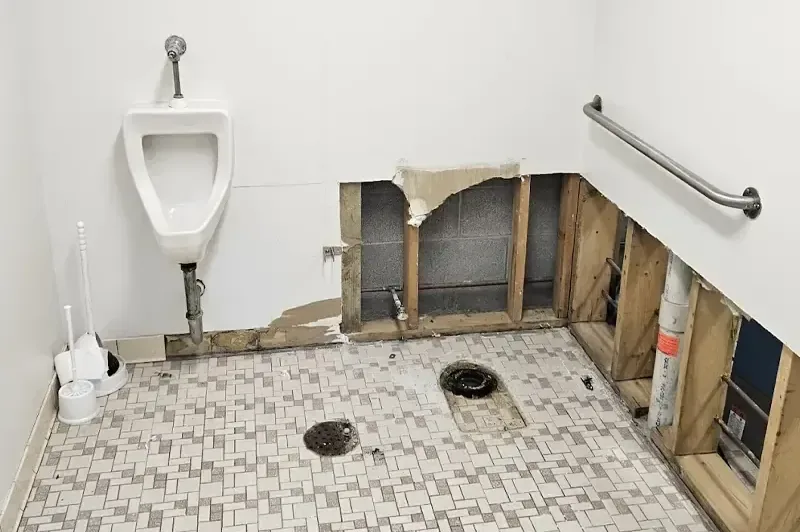
The essentials of sewage backup cleanup
Contact area mapped
The assessment follows wastewater beyond the fixture to identify absorbent edges and hidden deposits before decisions about retaining building materials are made.
Contents separated
A controlled handling plan prevents soaked household items from becoming a route for contamination to spread across otherwise unaffected rooms and surfaces.
Sequence maintained
Source correction, removal, cleaning and drying are coordinated so new wastewater or untreated deposits do not undermine the next stage of recovery.
Remaining repairs identified
The final scope explains which finishes were removed and what still needs reconstruction, helping occupants understand the condition of the recovered room.
What to do after sewage backup cleanup
- Block casual entry
Keep occupants and pets away from the affected room. Avoid carrying damp rugs, towels or footwear through clean areas, even when the visible backup appears limited.
- Pause affected fixture use
Stop using fixtures connected to the problem until the drainage issue is assessed. Repeated flushing or running water can increase the discharge and widen the contaminated area.
- Describe contact surfaces
From outside the room, identify visible wastewater, soaked contents and neighboring spaces. Mention any electrical equipment or damaged floor that makes safe access more difficult for the assessment.
- Retain safe documentation
Photograph from a clean position and make a list of affected belongings. Leave disposal and heavy lifting until contamination control and the handling route have been organized.
What does sewage backup cleanup cost in Acton, CA?
Sewage cleanup costs in Acton reflect contamination spread, porous material contact and controlled disposal needs. The estimate should separate drain repairs from cleaning and identify which surfaces require removal before the remaining structure can dry.
Contained fixture backup
$2,000 to $4,000
- Limited contact area
- Controlled surface cleaning
- Localized porous removal
Multiple wet rooms
$4,000 to $8,000
- Connected contamination footprint
- Additional contents handling
- Wider drying preparation
Extensive contamination
$8,000 to $15,000
- Complex removal routes
- Broad material disposal
- Detailed recovery coordination
Category, wet square footage, material class and delay before drying affect the scope. These are typical ranges, not a quote. Compare inputs in the water damage cost calculator.
How sewage backup cleanup progresses
Establish the contamination boundary
Inspection identifies affected surfaces, access hazards and the drainage issue needing correction. The cleanup area and removal route are organized to limit transfer into rooms that have remained unaffected by wastewater.
Remove water and damaged contents
Contaminated liquid and materials are handled with suitable controls. Porous items are assessed for disposal, while recoverable contents are separated so their treatment does not interfere with the building cleanup sequence.
Clean exposed retained surfaces
Accessible surfaces receive cleaning appropriate to their condition and sewage contact. Openings expose hidden deposits where necessary, and the assessment verifies that remaining materials are suitable for the next recovery stage.
Dry and assess remaining work
Drying addresses moisture in retained construction after cleaning. The handover identifies source correction, areas treated, material removal and any reconstruction required before the room is ready to return to ordinary use.
A backup can leave wastewater beneath a vanity, inside a floor joint and on objects that appear only slightly damp. Restricting access helps prevent that contamination from being carried through the property. The first cleanup decisions should address the source, the contact area and the materials that absorbed the water. Ordinary household wiping does not reach every layer or provide a workable plan for contaminated porous finishes.
Identify the drain problem before restoring the room
Acton is an unincorporated community in Los Angeles County. At each affected property, identify the drainage arrangement and the fixture or connection involved. A plumber may need to diagnose and correct the obstruction or failure. Keep that work coordinated with cleanup, since continued fixture use can send more wastewater into a room that has already been isolated for treatment.
Location details such as Westcoatt Street and Brock Lane can help describe access to the property. Inside, the key details are the rooms involved, the highest visible contact and any adjoining spaces reached by water. Include lower cabinets and stored belongings in the description. A doorway threshold can conceal spread into another room even when the main deposit remains around a fixture.
Choose handling methods by contact and absorption
Porous material that has absorbed sewage often needs removal because contamination extends below the exposed face. Hard surfaces may be candidates for cleaning when their condition and access allow treatment. The assessment should distinguish those decisions clearly. Owners should receive an explanation of what is being removed, how contents are separated and which parts of the building can remain for cleaning and drying.
- Do not use household fans to blow air across contaminated deposits.
- Keep footwear and cleanup tools out of unaffected living spaces.
- Record damaged belongings before disposal when safe documentation is possible.
- Leave heavy soaked contents in place until handling is organized.
A sewage backup needs a defined cleanup boundary before occupants start moving wet belongings. Describe the affected fixtures and contact surfaces so the conversation can address source correction, controlled removal and the room's recovery.
(888) 774-9605Explain the wastewater contactReopen the space after its recovery is reviewed
The Antelope Valley Freeway is a local corridor, but the route through the building deserves equal planning during a contaminated loss. Removal should use a controlled path that limits contact with clean rooms. Waste handling, surface cleaning and structural drying should follow a defined sequence rather than taking place as disconnected tasks.
Before normal use resumes, the recovery account should identify cleaned surfaces, removed finishes and outstanding repairs. The source also needs correction so another discharge does not undo the work. For a broader overview of available water recovery tasks, the Acton service hub separates sewage cleanup from other indoor water problems and their different material decisions.
Safe access comes first
Keep children, pets and other occupants outside the contaminated room. Avoid using connected fixtures until the drainage problem is assessed, and leave soaked materials in place until a controlled handling route is established.
Sewage backup cleanup around Acton
For wastewater damage in Acton, share the property access, affected fixtures and adjoining rooms. ZIP 93510 helps identify the location for a property specific assessment.
The same service nearby: sewage backup cleanup in Newhall, Canyon Country, Stevenson Ranch.
Related water damage services in Acton
Sewage Backup Cleanup questions in Acton, CA
Questions before work begins
A sewage backup needs a defined cleanup boundary before occupants start moving wet belongings. Describe the affected fixtures and contact surfaces so the conversation can address source correction, controlled removal and the room's recovery.
(888) 774-9605Explain the wastewater contactShould a backed up toilet be flushed again?
Avoid repeated flushing while the cause is unresolved. Another discharge can extend the contaminated area or affect a different fixture. Describe the problem to the plumbing provider and keep the room isolated until the drainage issue and cleanup needs have been assessed.
Can an affected rug simply be dried?
Drying alone does not remove sewage contamination from an absorbent rug. Material condition, construction and contact determine the handling decision. Keep the item out of clean rooms and document it safely before discussing disposal or specialized treatment with the cleanup provider.
Who should assess the drainage problem?
Contact the property representative and an appropriate plumbing provider with the fixture symptoms and visible discharge. The investigation should identify the affected system and the correction it needs. Coordinate that source work with cleanup so continued use does not produce another release.
Why are fans held back at the beginning?
Airflow across untreated sewage deposits can spread contamination to other surfaces. Removal and cleaning should come before ordinary drying equipment is used in the affected area. The sequence protects clean portions of the property while addressing moisture in construction that remains.
Does a small amount still need careful handling?
The amount of liquid is only part of the assessment. A small backup can enter porous edges, cabinet bases or floor joints. Cleanup decisions depend on where it went and what it contacted, so a limited puddle still needs an appropriate contamination response.
When can the bathroom return to normal use?
The source should be corrected, contaminated material addressed and retained construction evaluated after cleaning and drying. Unfinished surfaces or missing fixtures may need reconstruction first. The closing scope should state what is complete and what work remains before ordinary use resumes.
Keep the clean rooms separated
Photographs from outside the affected doorway can help describe the loss without walking through contaminated water or handling soaked contents.
(888) 774-9605Discuss controlled room cleanup