Burst Pipe Water Damage in Acton
Water escaping under pressure can reach wall cavities before a puddle appears below. Acton burst pipe recovery follows the break outward, coordinating the plumbing repair with removal and drying of affected building materials.
(888) 774-9605Describe the pipe release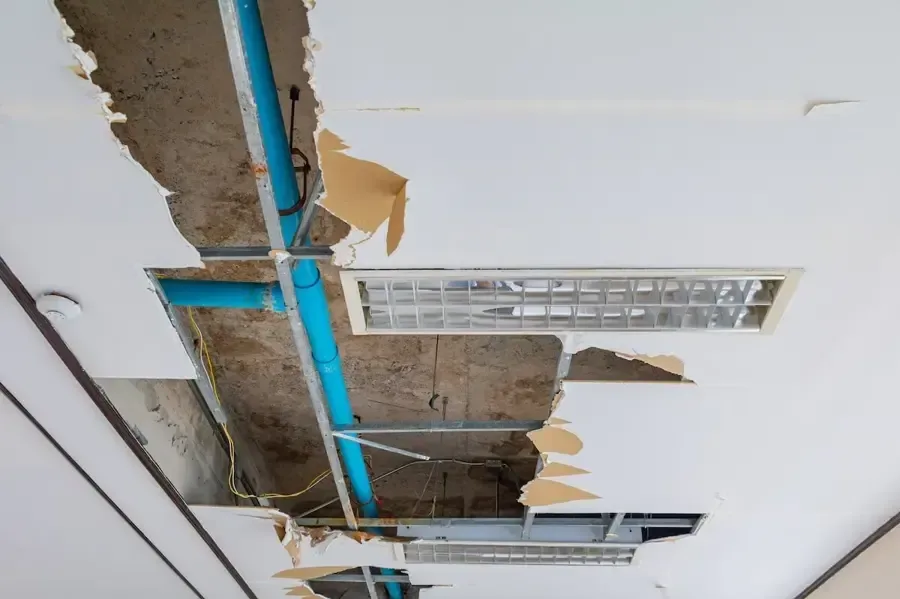
The essentials of burst pipe water damage
Migration followed
Inspection extends from the break into connected construction so hidden wet areas receive attention alongside the visible opening used for plumbing repair.
Source work coordinated
Pipe repair details remain part of the recovery record, helping distinguish a stopped release from moisture that is still held within materials.
Cavity access planned
Selective openings are tied to the actual wet assembly and the need to reach insulation or framing that cannot dry behind intact finishes.
Closure timed carefully
Moisture assessment precedes cosmetic repair so the owner can arrange patching and replacement after the retained construction is ready to be covered.
What to do after burst pipe water damage
- Use a safe shutoff
Close an accessible supply valve only from a dry, safe position. Keep away from wet electrical equipment and unstable ceiling areas while the source is being addressed.
- Record the visible route
Note where water first appeared and where it spread afterward. Include adjoining rooms and lower levels without opening walls or moving heavy saturated contents yourself.
- Coordinate the pipe repair
Arrange plumbing assessment and retain the repair findings. The location and nature of the break help the recovery inspection follow connected cavities and affected finishes.
- Delay cosmetic closure
Leave repair openings available for the moisture assessment. Patching a wall before concealed materials are evaluated can hide wet insulation or framing that still needs attention.
What does burst pipe water damage cost in Acton, CA?
Burst pipe cleanup in Acton depends on how far the release traveled through construction. Connected walls and multiple levels increase access and drying needs. The estimate should distinguish building recovery from the plumbing repair itself.
One contained space
$1,000 to $2,500
- Limited room spread
- Accessible water removal
- Focused cavity assessment
Walls and adjoining rooms
$2,500 to $6,000
- Connected wet finishes
- Selective wall access
- Expanded drying placement
Multiple affected levels
$6,000 to $12,000
- Ceiling cavity inspection
- Broader material decisions
- Coordinated moisture tracking
Category, wet square footage, material class and delay before drying affect the scope. These are typical ranges, not a quote. Compare inputs in the water damage cost calculator.
How burst pipe water damage progresses
Relate the break to damage
The inspection examines the repaired pipe location and maps the visible release path. Readings extend into neighboring surfaces so the scope reflects water migration beyond the plumbing access opening itself.
Remove pools and expose cavities
Extraction clears accessible water while selective removal addresses damaged finishes or blocked drying paths. The plan identifies which wet layers can remain and which need removal for effective building recovery.
Manage the connected wet areas
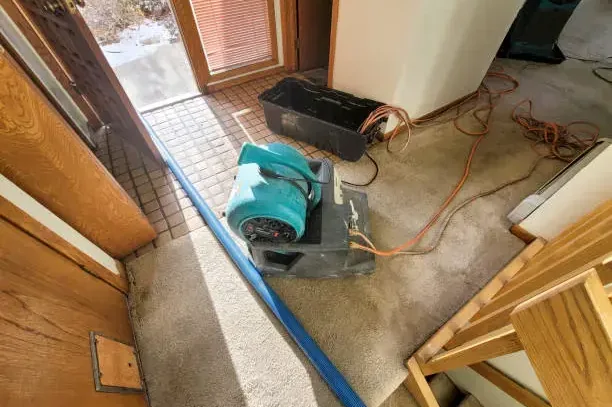
Drying equipment is positioned around the affected construction and checked as conditions change. Connected rooms and ceiling spaces may require different arrangements to reach materials that absorbed water during the release.
Separate completion from reconstruction
The closing assessment records moisture progress and the treated areas. It also identifies patching, insulation replacement or finish installation still needed, giving the owner a clear distinction between recovery and later cosmetic repair.
The place where a pipe breaks and the place where water becomes visible may be different. A pressurized release can wet insulation, run behind wall finishes and emerge at a doorway or ceiling seam. Stopping the supply prevents further discharge, but the building still holds the water already released. Recovery should follow that path rather than limiting the inspection to the opening used for pipe repair.
Start with the source and its surroundings
Waterworks District 37 is identified with Acton by Los Angeles County Public Works. For a damaged home, locate the actual property shutoff and arrange the needed plumbing repair. A safely reachable valve can limit an active release; entering standing water near electrical equipment to reach it is a different hazard. Describe the access problem instead of attempting an unsafe approach.
- Record the break location and the rooms showing new moisture.
- Check the opposite face of a wall containing damaged pipework.
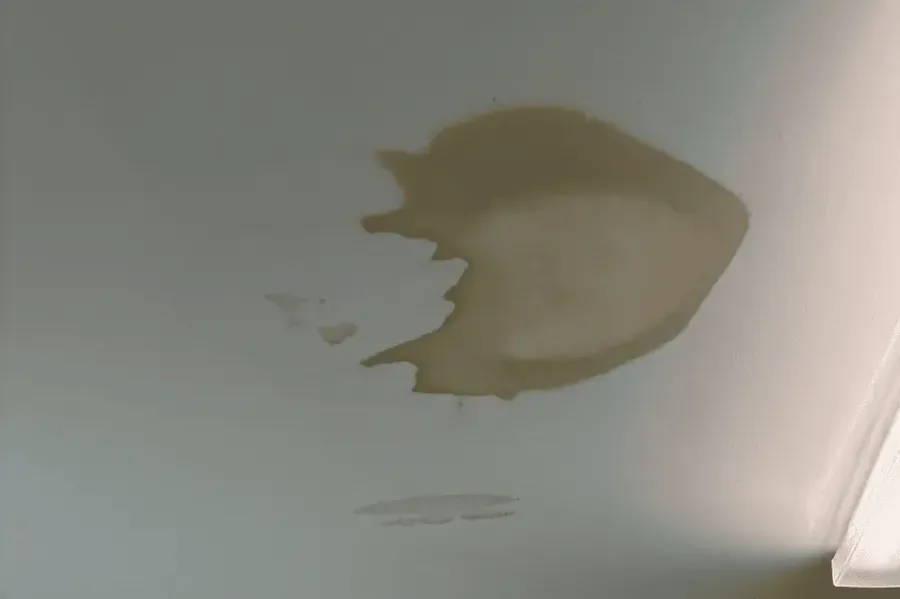
- Include ceiling stains below an upstairs release in the assessment.
- Keep repair photographs with the water damage and drying records.
Use the house layout to trace the release
Acton's valley includes ranch-style homes and equestrian facilities, while homes in surrounding mountains overlook the valley. The Sierra Pelona Mountains and San Gabriel Mountains define that setting. Inside the affected structure, wall connections, floor transitions and access openings determine how the assessment proceeds. A leak in a separate building needs its own inspection rather than assumptions drawn from the dwelling.
For location descriptions near Westcoatt Street, explain whether the damaged area is occupied living space or another structure. Then identify what changed indoors: wet trim, dripping from a ceiling, damp storage or flooring that has begun to swell. Those observations help direct inspection toward connected cavities that can remain wet after the pipe itself is exposed and repaired.
Once the pipe is isolated, the next question is where its water went. Describe wet walls, ceiling changes and adjoining rooms so the recovery assessment can follow the release through the building.
(888) 774-9605Discuss the hidden spreadRecover the building after plumbing work
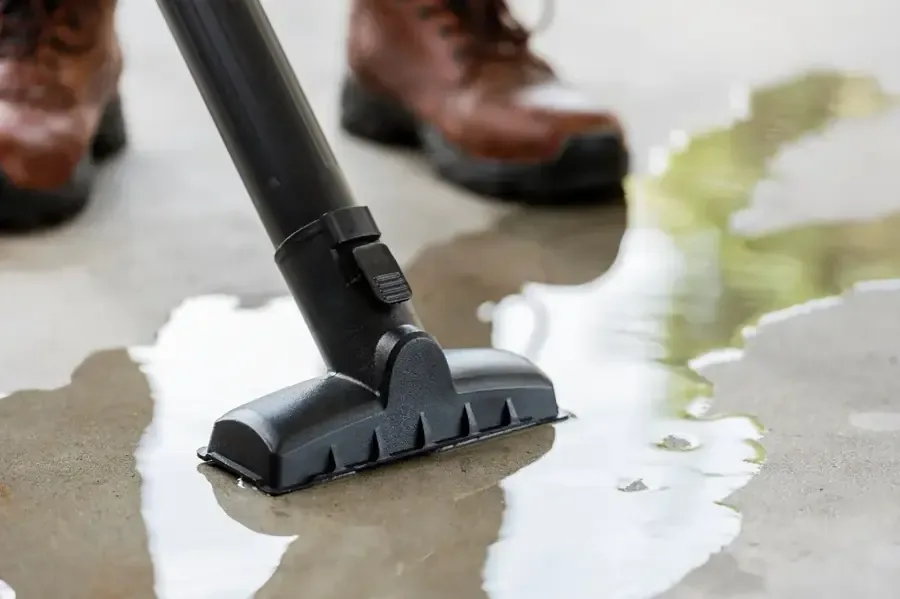
Accessible pools may need water extraction, while enclosed assemblies need a separate drying decision. Insulation or finishes that obstruct treatment may require selective removal. The aim is to expose enough of the affected construction to address moisture while preserving materials that remain suitable for recovery.
A final moisture assessment belongs before wall patching and repainting. The source repair report and structural drying notes should describe different completed tasks. Together they show how the release was stopped, which building materials were treated and what reconstruction remains at the pipe access opening and surrounding wet areas.
Safe access comes first
The response team keeps people away from wet electrical equipment and unstable ceilings. Occupants avoid entering contaminated water or disturbing soaked materials. Source isolation and safe access come before fans, cleaning or demolition, and the restoration assessment records those limits before work starts.
Burst pipe water damage around Acton
Acton properties with a burst pipe can describe the break location, adjoining wet rooms and access conditions. Include ZIP 93510 when arranging the damage assessment.
The same service nearby: burst pipe water damage in Newhall, Canyon Country, Stevenson Ranch.
Related water damage services in Acton
Burst Pipe Water Damage questions in Acton, CA
Questions before work begins
Once the pipe is isolated, the next question is where its water went. Describe wet walls, ceiling changes and adjoining rooms so the recovery assessment can follow the release through the building.
(888) 774-9605Discuss the hidden spreadShould the main supply be shut off immediately?
Stopping an active release is useful when the valve can be reached safely. Do not enter energized water or unstable spaces to find it. Explain the access hazard to the appropriate provider so source isolation can be handled without creating another dangerous situation.
Why is the wall beside the break inspected?
Water under pressure can spray beyond the immediate opening and travel through connected cavities. The neighboring wall may be wet even if its paint looks unchanged. Moisture assessment helps determine the true boundary before removal and drying decisions are finalized.
Can the plumber close the opening right away?
Coordinate closure with the water damage assessment. The pipe may be repaired while insulation, framing or wall finishes remain damp. Leaving access available until those materials are evaluated can prevent a new patch from concealing moisture that still requires treatment.
Does clean supply water mean finishes can stay?
The initial source is relevant, but duration, contact surfaces and physical damage also matter. Swollen or separated finishes may need replacement, and concealed moisture still needs attention. Retention decisions should reflect the condition of each affected material after the release.
What if water appears in a lower ceiling?
Keep occupants away from sagging or unstable material and report the location. Water can move through floor cavities before emerging below. A ceiling assessment should address safe access, retained water and the route from the original plumbing release before repairs begin.
How is the end of drying determined?
The assessment establishes moisture targets for retained materials and compares later readings against them. Appearance and elapsed time alone are insufficient. The final account should identify treated areas and any unresolved access or repair issue before wall and floor finishes are replaced.
Plan recovery around the repaired pipe
Keep source repair details available and mention any room that became wet after the first puddle was noticed.
(888) 774-9605Discuss the connected wet areas