Storm Flood Cleanup in Acton
Mud at a doorway means the cleanup involves more than drying a wet floor. Acton flood recovery addresses outdoor water, deposited debris and the building layers affected after safe access becomes possible.
(888) 774-9605Describe the flood deposits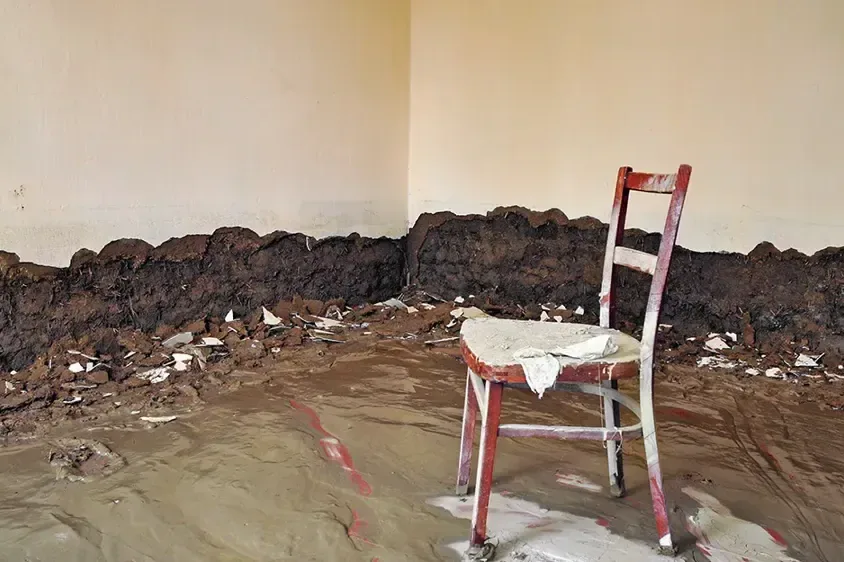
The essentials of storm flood cleanup
Deposits included
The scope addresses mud lodged along edges and behind finishes rather than treating the visible pool as the whole indoor flood problem.
Materials evaluated individually
Contact and absorption determine removal decisions, with retained construction prepared for cleaning before equipment is used to manage the remaining moisture.
Clean routes protected
Removal planning considers doors, corridors and occupied rooms so dirty contents and debris can leave without extending the original flood footprint indoors.
Repair boundaries stated
The handover separates interior recovery from other building work, giving owners a clearer description of what still needs attention after cleanup ends.
What to do after storm flood cleanup
- Stay outside moving water
Do not cross floodwater to retrieve belongings. Wait for safe access and report damaged entrances, unstable surfaces or electrical concerns before interior cleanup begins.
- Photograph from a safe position
Record visible water entry and deposits without stepping into the affected room. Include contents and room boundaries when possible so the early condition remains documented before removal changes it.
- Keep clean spaces separate
Avoid carrying muddy possessions through dry rooms. Choose a holding area only after contents handling has been discussed, especially where absorbed floodwater or sharp debris creates additional hazards.
- Describe the entry route
Explain where water came in and which spaces it reached. Mention blocked doors, deposited sediment and any separate building involved so the assessment can address the full indoor footprint.
What does storm flood cleanup cost in Acton, CA?
Acton storm cleanup ranges depend on indoor spread, sediment and the construction contacted. Costs rise when deposits sit behind finishes or multiple rooms require controlled material removal, cleaning and a coordinated drying setup.
Limited indoor entry
$2,500 to $5,000
- Localized deposited sediment
- Accessible floor cleaning
- Focused finish assessment
Several affected rooms
$5,000 to $10,000
- Connected dirty surfaces
- Additional contents decisions
- Expanded recovery zones
Extensive assembly contact
$10,000 to $18,000
- Hidden contamination access
- Broad porous removal
- Complex structural drying
Category, wet square footage, material class and delay before drying affect the scope. These are typical ranges, not a quote. Compare inputs in the water damage cost calculator.
How storm flood cleanup progresses
Assess access and the flood footprint
The property is evaluated for safe entry, water routes and affected contents. Recording sediment and contact surfaces keeps removal focused on the indoor flood footprint rather than only visible puddles.
Clear water and deposited material
Extraction clears accessible pools. Debris and damaged finishes are removed along controlled routes, while belongings receive handling decisions based on their contact with floodwater and sediment.
Clean the exposed building surfaces
Retained surfaces are treated after deposits and unsuitable materials are removed. This creates a practical starting point for drying and exposes areas that need further inspection before the building can be closed again.
Monitor recovery and define repairs
Moisture checks track retained materials during drying. The final account identifies reconstruction, entry repairs and other tasks outside the completed removal and cleaning, helping the owner coordinate remaining building work.
Floodwater can leave a thin coat of mud across a room while holding much more sediment beneath furniture and inside lower wall openings. The liquid and the deposits need related but different work. A recovery plan should identify what came indoors, which materials absorbed it and how removal can proceed without spreading residue through clean portions of the building. Safe access comes before photographs taken from inside the flooded space.
A local flood with indoor consequences
On August 3, 2017, flash flooding in Acton damaged homes and businesses. Mud and debris spread through the community, roads flooded and water eroded track around a Metrolink train. Those impacts illustrate the range of work a storm can leave behind: interior cleanup, obstructed access and contaminated contents may all need attention. The affected property still requires its own inspection and work description.
The Antelope Valley Freeway provides a local access reference. The community sits between the Sierra Pelona Mountains and San Gabriel Mountains. For a building with water entry, identify the actual opening and the rooms reached rather than judging damage from the surroundings. A doorway, low opening or damaged envelope can lead to different wet areas indoors. Record the visible entry route once the property can be approached safely.
Remove deposits before treating retained surfaces
- Separate loose debris from contents that need individual handling decisions.
- Inspect lower cabinets where sediment can settle behind removable panels.
- Assess porous finishes for absorbed water and contamination beneath surfaces.
- Protect dry rooms along the route used to remove damaged material.
Floodwater contact changes the decision about what can remain. A hard surface may permit cleaning, while absorbent backing or insulation may require disposal. Water extraction addresses accessible pools, but mud lodged beneath finishes needs additional access and cleaning. The estimate should explain those tasks separately so the owner understands why clearing the puddle is only part of the recovery.
Indoor flood deposits need a work plan that includes both the liquid and what it carried. Describe the entry point, muddy rooms and access concerns to discuss the next assessment.
(888) 774-9605Discuss indoor flood residueDry what remains after the dirty work
Drying equipment belongs after the contaminated deposits and unsuitable materials have been addressed. Airflow across untreated mud can move residue into other spaces. Once retained surfaces are ready, structural drying can focus on the wet construction, with readings used to assess progress rather than appearance alone.
Keep photographs of sediment, affected contents and removed finishes with the work record. The closing account should distinguish completed cleaning from reconstruction, drainage work or building repairs still required. A room can look substantially better after debris removal while its lower wall or floor assembly remains under evaluation.
Safe access comes first
The response team keeps people away from wet electrical equipment and unstable ceilings. Occupants avoid entering contaminated water or disturbing soaked materials. Source isolation and safe access come before fans, cleaning or demolition, and the restoration assessment records those limits before work starts.
Storm flood cleanup around Acton
Describe stormwater entry at an Acton property using ZIP 93510, the affected structures and current access conditions, including any mud or debris blocking safe entry.
The same service nearby: storm flood cleanup in Newhall, Canyon Country, Stevenson Ranch.
Related water damage services in Acton
Storm Flood Cleanup questions in Acton, CA
Questions before work begins
Indoor flood deposits need a work plan that includes both the liquid and what it carried. Describe the entry point, muddy rooms and access concerns to discuss the next assessment.
(888) 774-9605Discuss indoor flood residueIs stormwater safe because it came from rain?
Water that travels over outdoor surfaces can carry sediment and contaminants into a building. Indoor cleanup should consider that contact history and the materials affected. Treating a muddy flood as an ordinary clean spill can leave deposits and absorbed contamination behind finished surfaces.
Can the mud be left until everything dries?
Deposits should be assessed as part of the initial cleanup plan. Letting mud harden can complicate removal, while using drying airflow over untreated residue can spread it. The appropriate sequence addresses water, debris and cleaning before retained construction receives ordinary drying treatment.
What belongs in the first set of photographs?
When access is safe, record entry points, sediment patterns, damaged finishes and affected belongings. Keep images of the rooms before materials are removed. Avoid entering hazardous areas just to complete the record; descriptions and later inspection can address spaces that are inaccessible initially.
Does every flooded wall need complete replacement?
Removal depends on contamination, absorption and the condition of the wall assembly. Some retained surfaces may be cleanable, while porous components require removal. The scope should identify the affected layers and explain the proposed opening height or extent for that particular loss.
Can belongings be moved into an unaffected bedroom?
Moving muddy items into a clean room can transfer residue to flooring and furniture. Contents should have an organized handling route and holding arrangement. Discuss which items need cleaning, disposal or separate evaluation before relocation, particularly when water has soaked porous household materials.
What remains after the flood cleanup is finished?
Reconstruction or repairs to the water entry point may remain after interior cleaning and drying. The closing account should distinguish these tasks and identify the surfaces treated. Keep moisture records and material removal notes available for the contractor completing the remaining building repairs.
Bring the sediment problem into view
Keep occupants clear of moving water and unsafe building entrances while access and cleanup needs are being established.
(888) 774-9605Discuss the flooded interior