Structural Drying in Acton
Once the puddle is gone, moisture can remain inside the building. Structural drying in Acton uses inspection, controlled airflow and humidity management to assess retained materials before new finishes cover the affected areas.
(888) 774-9605Discuss the remaining material moisture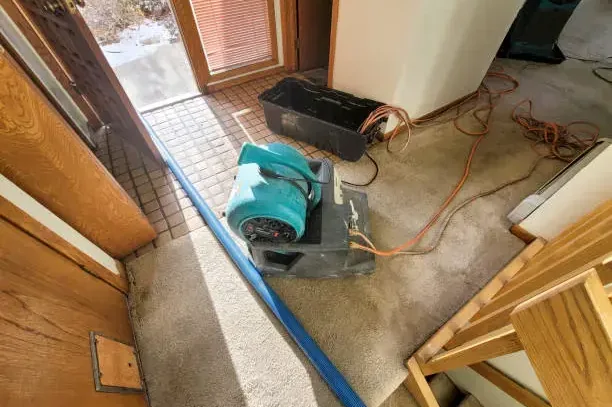
The essentials of structural drying and dehumidification
Materials define the setup
Equipment selection and access decisions are tied to the actual wet construction, including concealed layers that cannot respond to room airflow alone.
Progress is explained
Repeated readings are connected to material response so the owner can understand whether the drying arrangement is working and why an adjustment is needed.
Cleaning comes first
The sequence keeps ordinary drying airflow away from untreated contamination and debris, preparing retained construction for a more appropriate moisture management process afterward.
Handover supports repair
The final moisture account identifies the condition of treated materials and remaining work, helping the next trade plan closure and finish installation appropriately.
What to do after structural drying and dehumidification
- Share the source and cleanup history
Explain when water entered, how the source was addressed and which materials were removed. Include contamination or sediment information to describe the building before equipment placement begins.
- Leave wet areas available for inspection
Keep repair openings accessible and avoid covering damp flooring with stored items. Concealed surfaces need evaluation before replacement trim or other finishes restrict access to the affected assembly.
- Preserve the agreed equipment arrangement
Do not reposition drying equipment or alter room conditions without discussing the change. Placement and humidity management work together, and an apparently minor adjustment may reduce treatment at a particular wet surface.
- Request a clear progress explanation
Ask which materials are being monitored and what determines completion. A useful account connects readings with retained construction and identifies openings or repairs needed before the next stage.
What does structural drying and dehumidification cost in Acton, CA?
Structural drying costs in Acton reflect the volume and density of wet materials, access and the equipment arrangement needed. Planning ranges expand for enclosed or extensive assemblies. The scope should explain monitoring and distinguish drying from replacement finish work.
Limited exposed materials
$1,000 to $2,500
- Accessible wet surfaces
- Focused equipment placement
- Localized moisture assessment
Several wet assemblies
$2,500 to $5,000
- Connected material monitoring
- Additional drying positions
- Multiple access decisions
Dense or extensive loss
$5,000 to $10,000
- Complex moisture release
- Broader humidity management
- Detailed progress assessment
Category, wet square footage, material class and delay before drying affect the scope. These are typical ranges, not a quote. Compare inputs in the water damage cost calculator.
How structural drying and dehumidification progresses
Establish the initial moisture picture
The assessment identifies retained wet materials and records relevant readings. Source control, contamination treatment and access are checked so drying begins with construction suitable for recovery and reachable for treatment.
Match equipment to the affected assembly
Air movers and dehumidification are arranged around the moisture load and available pathways. Enclosed layers receive separate access decisions, while the setup maintains safe routes and avoids spreading residue from areas that still require cleaning.
Compare progress and adjust the plan
Later readings are compared with room conditions and material response. Equipment or access may change when a surface is not progressing, keeping treatment focused on the assembly rather than elapsed time.
Explain the final material condition
The closing assessment connects measured findings with remaining reconstruction. Owners receive an account of treated areas, access limitations and outstanding repairs so new finishes can be coordinated with the condition of retained building materials.
A room can lose its puddles long before the wall and floor assemblies are ready for repairs. Drying addresses the moisture held within retained materials after extraction and necessary cleaning. The process needs an initial assessment, a way for moisture to leave those materials and readings that show whether conditions are improving. Equipment running in the room is useful only when its arrangement matches the wet construction.
Define the materials that need recovery
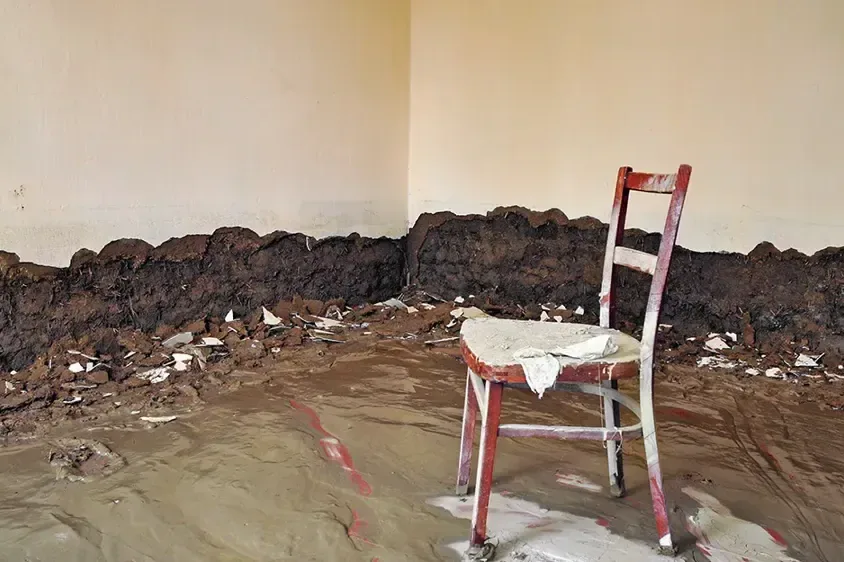
The August 2017 flash flood caused interior water damage in Acton homes. After an event involving muddy water, removal and cleaning prepare suitable retained construction for drying. A plumbing release presents a different starting condition, but both require attention to hidden absorption. Identify the water source and the contact history before deciding which materials can remain inside the drying area.
Local homes occupy the valley and surrounding mountains between the Sierra Pelona Mountains and San Gabriel Mountains. Within any affected property, the exposed assembly determines drying access. Wood framing, wall finishes and layered floors respond differently. The plan should identify what is actually present and explain any selective opening needed to reach moisture behind otherwise intact surfaces.
Build a controlled drying space
- Remove standing water before relying on evaporation from wet surfaces.
- Keep untreated contaminated material outside ordinary airflow paths.
- Place equipment where it serves the wet materials and safe access.
- Maintain the agreed room conditions while readings are being tracked.
Air movement encourages evaporation at accessible surfaces, while dehumidification manages moisture in the surrounding air. A closed cabinet recess or covered floor layer may still need access even when the room air becomes drier. The equipment plan should respond to those obstacles. Moving a machine merely to make the room quieter can change the treatment of the surface it was positioned to address.
The end of a visible leak is the beginning of the material recovery question. Describe the rooms, removed finishes and remaining damp areas to discuss a drying plan with measurable progress and a clear handover.
(888) 774-9605Discuss the remaining wet materialsUse progress readings to decide the next action
The Antelope Valley Freeway helps identify local property access, but monitoring takes place at specific wet locations inside the building. Recording the same relevant areas over time supports a useful comparison. If progress slows, the assessment may need to revisit equipment arrangement, remaining source moisture or a concealed layer that has not been exposed.
Drying follows water removal and, where applicable, flood cleanup. Its final assessment should explain the condition of retained materials and any remaining repair limitation. That record gives the next trade a practical basis for scheduling finishes instead of choosing a completion date solely because the surfaces feel dry to the touch.
Safe access comes first
The response team keeps people away from wet electrical equipment and unstable ceilings. Occupants avoid entering contaminated water or disturbing soaked materials. Source isolation and safe access come before fans, cleaning or demolition, and the restoration assessment records those limits before work starts.
Structural drying and dehumidification around Acton
Acton drying assessments in ZIP 93510 can follow plumbing or flood losses. Describe the retained wet materials, completed cleanup and any openings available for moisture checks.
The same service nearby: structural drying and dehumidification in Newhall, Canyon Country, Stevenson Ranch.
Related water damage services in Acton
Structural Drying and Dehumidification questions in Acton, CA
Questions before work begins
The end of a visible leak is the beginning of the material recovery question. Describe the rooms, removed finishes and remaining damp areas to discuss a drying plan with measurable progress and a clear handover.
(888) 774-9605Discuss the remaining wet materialsHow is drying different from extracting water?
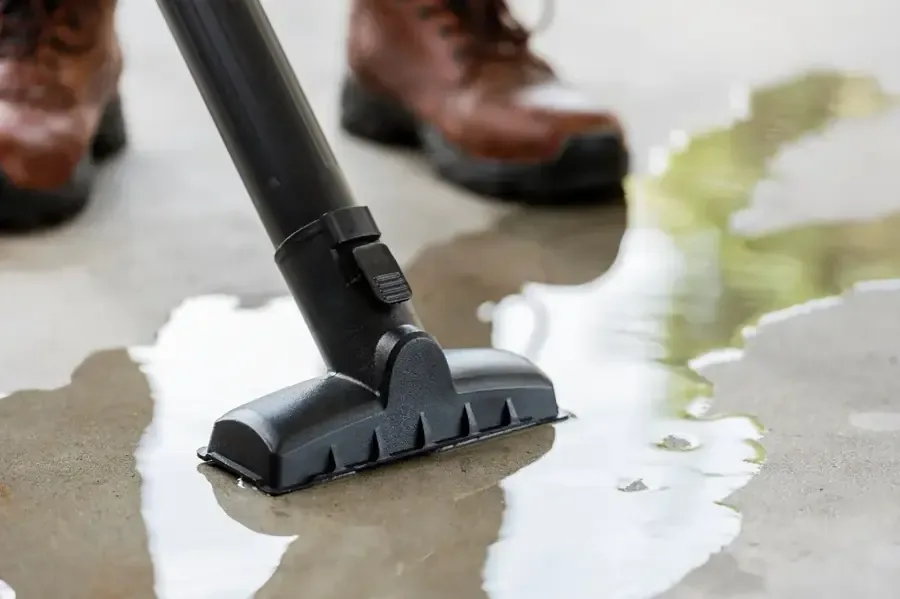
Extraction removes accessible liquid from the room. Drying manages moisture absorbed into materials that remain after removal and cleaning. A cleared floor can therefore still need treatment at its underlying layers, wall edges or nearby framing before the building is ready for replacement finishes.
Can an ordinary fan dry a wall cavity?
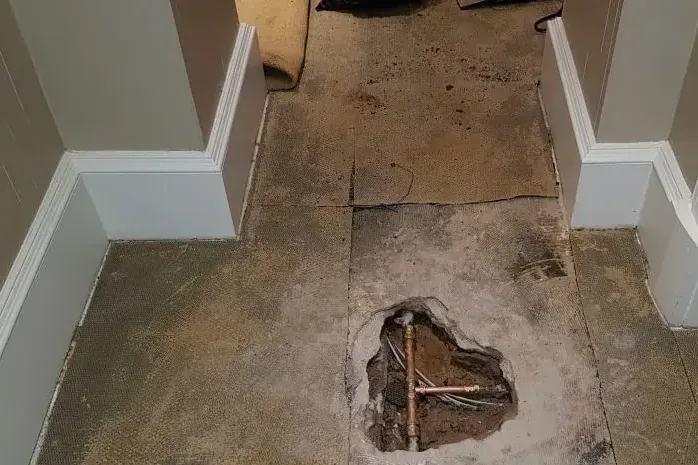
Air moving in the room may not reach enclosed insulation or framing. The cavity needs assessment to determine a suitable moisture pathway. Selective access, removal or a different equipment arrangement may be necessary where intact finishes keep the wet components separated from useful airflow.
Why are readings taken more than once?
An initial reading establishes the wet condition, while later readings show how the material responds. Comparing relevant locations helps determine whether the arrangement is effective or needs adjustment. It also supports a more useful completion decision than judging the room by touch or appearance alone.
Should windows stay open during equipment operation?
Follow the drying arrangement established for the property. Opening windows can change humidity and interfere with a controlled setup, depending on conditions. Discuss ventilation changes before making them so the equipment and room environment continue to work together around the wet materials.
Does every material need the same drying target?
Different materials and planned finishes have different requirements. The assessment should identify the retained construction and the basis for its completion decision. A single general impression of dryness cannot replace evaluating the relevant floor, wall or framing components before the next repair begins.
What happens if a hidden area stays wet?
The plan should be reassessed for access, equipment placement and continuing moisture entry. A concealed layer may need opening or removal if treatment cannot reach it effectively. The findings should explain the change so the owner understands why additional work is proposed before closure.
Connect moisture readings with repair timing
Keep cleanup records and photographs available so the assessment can build on work already completed inside the affected building.
(888) 774-9605Discuss a measured drying scope