Water Extraction in Acton
A puddle stretching beneath furniture can keep feeding moisture into floors and walls. Water extraction in Acton starts with safe access, source control and a close look at where the water traveled.
(888) 774-9605Discuss the standing water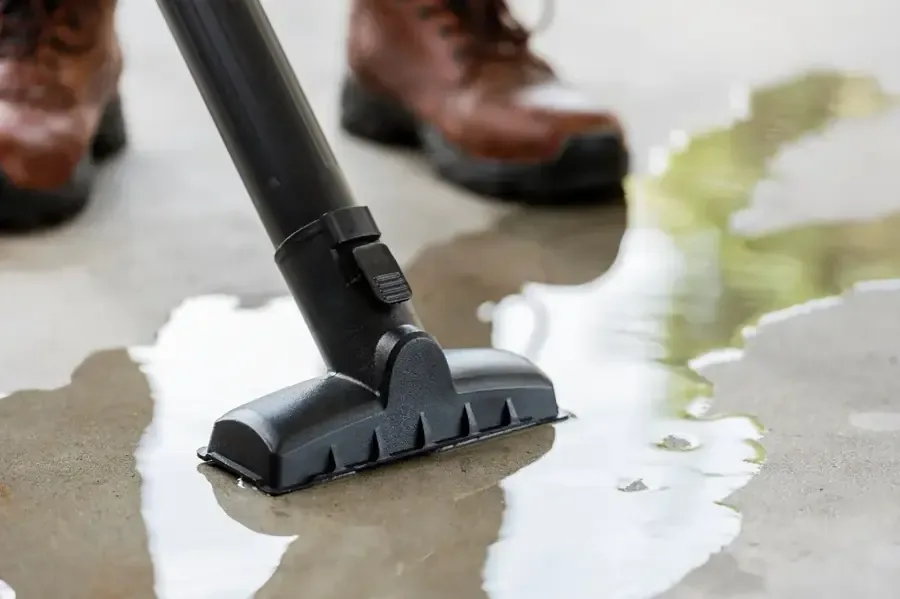
The essentials of water extraction and removal
Water source considered
The removal method reflects the source and contact surfaces, including residue that needs cleaning after the visible liquid has been extracted.
Edges included
Room boundaries and cabinet recesses receive attention because accessible pools can disappear while water remains beneath adjacent finishes and lower trim.
Drying connected
Extraction findings establish the next moisture assessment, helping define equipment needs and material decisions before reconstruction hides the affected surfaces again.
Access explained
A clear account of inaccessible spaces helps owners understand the remaining work and arrange entry without moving hazardous wet materials themselves.
What to do after water extraction and removal
- Avoid the flooded route
Approach from a dry doorway and keep people out of standing water near electrical devices. A hazardous access route needs assessment before anyone starts moving contents.
- Stop additional entry safely
Close a reachable supply valve when a plumbing release is responsible. If water is entering from outdoors, stay clear of moving water and blocked entrances.
- Describe the affected surfaces
Identify carpet, hard flooring and nearby cabinets without lifting heavy wet finishes. Include adjoining rooms where dampness or discoloration appeared after the initial puddle formed.
- Save an initial record
Photograph water levels and affected belongings from a safe position. Keep notes about when the release began and any steps already taken to limit its spread.
What does water extraction and removal cost in Acton, CA?
Acton extraction costs vary with access, water volume and the surfaces holding moisture. Planning ranges increase when water reaches several rooms or remains beneath finishes that need selective opening before removal can be completed.
Contained room
$500 to $1,500
- Accessible floor water
- Limited furniture movement
- Focused edge checks
Several wet spaces
$1,500 to $3,000
- Connected room extraction
- Additional equipment routes
- Broader surface inspection
Water beneath finishes
$3,000 to $7,500
- Concealed water access
- Layered flooring decisions
- Extended removal scope
Category, wet square footage, material class and delay before drying affect the scope. These are typical ranges, not a quote. Compare inputs in the water damage cost calculator.
How water extraction and removal progresses
Survey the pooled water
The assessment identifies the active source, safe equipment access and the edges of the wet area. The removal plan accounts for contamination and any unstable or energized building components.
Extract accessible liquid
Appropriate extraction equipment removes water from open surfaces. The work follows room boundaries and transitions so visible pools are addressed without carrying dirty water across unaffected portions of the property.
Inspect hidden collection points
Cabinet bases, wall bottoms and floor layers are checked for retained moisture. Findings determine whether selective access or additional material removal is necessary before the building can dry effectively.
Set the next recovery stage
The remaining wet materials receive a drying scope with monitoring targets. Owners receive an explanation of areas that can stay, areas that require further work and repairs outside the extraction task.
A clear patch of flooring does not tell the whole story after an indoor release. Water spreads under furniture, follows floor joints and reaches the underside of finishes that still look normal. Extraction removes the accessible volume so those materials can be assessed. The useful endpoint is a mapped wet area and a plan for what remains, rather than a room that merely looks less flooded.
Separate the indoor pool from outdoor sediment
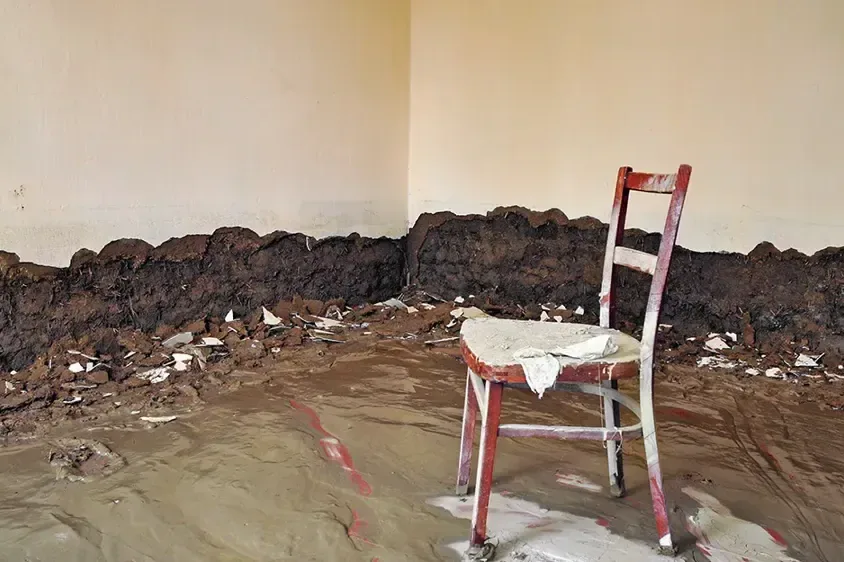
The August 2017 flash flood in Acton damaged home interiors and left mud and debris. A loss with that kind of dirty water requires attention to deposited material as well as liquid. Pumping alone leaves residue behind. Access, contents handling and surface cleaning need to reflect the water that entered, with storm flood cleanup addressing the wider sediment problem.
- Identify whether water is still arriving before placing removal equipment.
- Check room thresholds where liquid may have crossed beneath trim.
- Keep equipment routes away from unaffected belongings and occupied spaces.
- Inspect the underside of accessible floor coverings after extraction.
Look at the building beyond its location
The Sierra Pelona Mountains and San Gabriel Mountains frame the local setting. Within that setting, the wet building determines the work. A level living room, a storage area and a floor with several finishes create different access and removal needs. The assessment should describe the actual surface and any concealed layer, without selecting a method simply because of the property's surroundings.
For a property approached from the Antelope Valley Freeway, location details help identify access, while the damage description shapes equipment planning. Explain whether water is concentrated in a single room or has reached adjoining spaces. Photographs from dry ground can help show the spread, but a moisture survey is still needed to find absorption at walls and beneath finishes.
Standing water can keep spreading through floor edges while the center of a room looks unchanged. Describe the source and the accessible rooms to discuss removal and the next moisture assessment.
(888) 774-9605Talk about pooled waterMake the handoff to drying explicit
Extraction and structural drying solve different parts of the loss. Once accessible liquid is removed, moisture can remain inside porous materials. Retained materials need suitable airflow and humidity control; badly swollen or contaminated components may require removal. These decisions should be explained before the next phase starts.
Keep an account of which rooms were extracted and what could not be reached. A cabinet recess or layered floor can hold water after open areas clear. Marking those locations helps prevent premature replacement of trim or flooring and gives the drying assessment a practical starting point.
Safe access comes first
The response team keeps people away from wet electrical equipment and unstable ceilings. Occupants avoid entering contaminated water or disturbing soaked materials. Source isolation and safe access come before fans, cleaning or demolition, and the restoration assessment records those limits before work starts.
Water extraction and removal around Acton
For Acton properties in ZIP 93510, describe room access, standing water and the surfaces involved so the extraction assessment can focus on the affected building.
The same service nearby: water extraction and removal in Newhall, Canyon Country, Stevenson Ranch.
Related water damage services in Acton
Water Extraction and Removal questions in Acton, CA
Questions before work begins
Standing water can keep spreading through floor edges while the center of a room looks unchanged. Describe the source and the accessible rooms to discuss removal and the next moisture assessment.
(888) 774-9605Talk about pooled waterIs a household wet vacuum enough for the job?
A small accessible spill may be manageable with suitable equipment, but room flooding can reach hidden layers and electrical hazards. The decision depends on water source, extent and material contact. Extraction should be followed by an assessment of what remains wet.
Will pumping make carpet ready to use again?
Carpet recovery depends on contamination, delamination and moisture beneath the visible pile. The assessment should include padding and the substrate after surface extraction. Removal may be needed where the affected layers cannot be cleaned or dried effectively in their existing position.
Can furniture stay in the affected room?
That depends on access and how the furniture contacts wet surfaces. Some items may need protection or relocation to expose the floor. Heavy pieces should not be dragged through water, and contaminated belongings require handling that prevents spreading residue elsewhere.
Why inspect walls when the water stayed low?
Porous materials can absorb water at their lower edges, and baseboards can conceal damp cavities. A shallow pool may therefore affect more than the floor surface. Moisture checks help identify the actual boundary and the materials needing attention after extraction.
Does outdoor mud change the removal process?
Yes. Sediment can obstruct removal and leave contaminated deposits on surfaces. Cleanup may require debris handling and controlled washing alongside extraction. Equipment and routes should be chosen so the wet area can be treated without transferring residue into clean rooms.
What should the final extraction notes include?
Useful notes identify rooms treated, visible conditions, access limitations and remaining wet materials. They should also distinguish water removal from drying or reconstruction still required. This helps the owner understand why a floor can be cleared while the recovery remains unfinished.
A clearer picture of the affected floor
Include any unsafe doorway or electrical concern in the conversation before entering the wet area again.
(888) 774-9605Discuss extraction access