Crawl Space Water Removal in Valencia
An underfloor water problem starts with confirming the space and its access at the property. Pooling, hanging wet insulation and affected framing need a controlled assessment before entry, removal or drying is planned.
(888) 774-9605Discuss underfloor pooling and access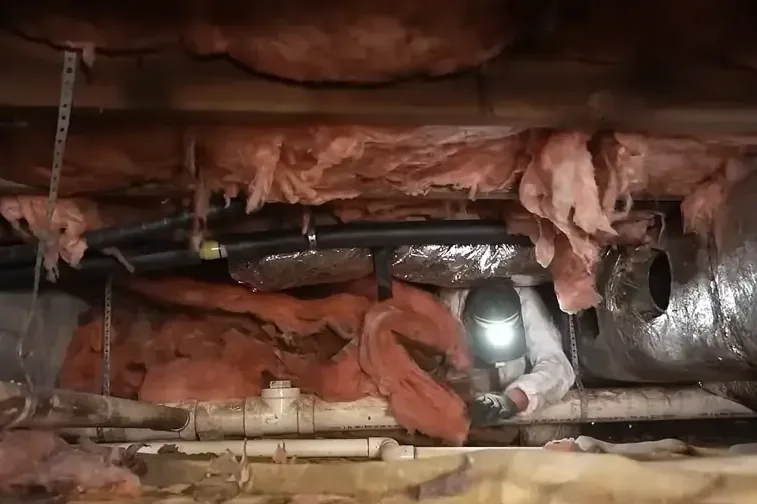
The essentials of crawl space water removal
Inspected entry conditions
Clearance and visible hazards shape the underfloor approach before personnel or collection equipment move toward pooling beneath the building.
Concealed work documentation
Labeled photographs make the affected space understandable to an owner who cannot readily inspect the wet framing or insulation directly.
Material handling routes
Removed insulation and wet debris leave through a planned path that protects clean storage and occupied areas above the work.
Source and assembly coordination
Recurring pooling receives attention alongside drying, keeping the entry problem visible before replacement insulation or closed openings restrict further inspection.
What to do after crawl space water removal
- Remain outside the opening
Avoid entering a wet underfloor space to find the source. Describe visible pooling and insulation changes from a safe position while access hazards receive assessment.
- Explain the entrance arrangement
Identify the opening and obstacles around it, including storage and occupied rooms above. These details help organize inspection and protected removal of wet materials from beneath the building.
- Describe associated water problems
Mention plumbing trouble, drain symptoms or outdoor entry near the discovery. Source information helps determine water handling and the separate corrective work needed to stop accumulation.
- Protect nearby dry belongings
Keep untouched storage clear of the planned route. Wet debris should remain for assessment so movement does not carry affected material into clean occupied rooms.
What does crawl space water removal cost in Valencia, CA?
Crawl space recovery in Valencia depends on inspected access, water collection needs and affected underfloor materials. These ranges increase with insulation handling, framing exposure and contamination complexity; source repairs and replacement materials should be described separately.
Accessible limited pooling
$1,500 to $3,000
- Defined collection area
- Usable access opening
- Focused underside inspection
Wet insulation and framing
$3,000 to $6,000
- Controlled insulation removal
- Exposed framing readings
- Expanded drying placement
Complex or contaminated space
$6,000 to $11,000
- Additional access planning
- Specialized material handling
- Broader assembly assessment
Category, wet square footage, material class and delay before drying affect the scope. These are typical ranges, not a quote. Compare inputs in the water damage cost calculator.
How crawl space water removal progresses
Establish the inspected space and source
The initial survey confirms the underfloor arrangement, entry condition and water extent. Source information and access hazards determine handling before equipment or personnel move toward pooling beneath the building.
Arrange collection and protected removal
Accessible pooling is removed through a route suited to the space and water condition. The work plan also identifies how wet debris or insulation can leave without carrying residue through clean occupied areas above.
Evaluate exposed underfloor materials
Framing, insulation and floor undersides receive separate condition checks once access permits inspection. The scope identifies material removal and retained assemblies needing drying, with measurements used to follow the moisture remaining after water collection.
Document concealed recovery before closure
Photographs and closing readings explain the condition of areas the owner cannot readily see. The handoff identifies remaining source work, replacement needs and any access that must remain available before insulation or openings are restored.
An underfloor opening does not reveal the condition of the entire space beneath a building. Crawl space water removal in Valencia starts with a property inspection that establishes the layout, pooling and available access. Westridge lies north of Stevenson Ranch, and Mission Village is another residential development area. At the affected building, the inspection must establish how water entered and which materials it reached beneath the floor.
Plan entry before reaching for pooled water
Limited clearance, concealed wiring and wet surfaces can make an underfloor area unsafe for an occupant to enter. The assessment should establish the access condition before anyone crawls toward the water. Pooling may also conceal uneven ground or damaged material. A controlled removal plan considers collection, discharge handling and a route that does not carry wet debris into occupied rooms.
The source needs separate attention. Water from a plumbing fault, outdoor entry or a drain problem can require different handling. Describing the discovery and any visible source clues from outside the opening helps the assessment begin without unnecessary entry. Photographs should be taken only where the access position remains safe.
Water removal exposes the material condition
Once accessible pooling is removed, inspection can focus on wet insulation, framing and the underside of floor materials. Hanging insulation may obstruct the view or hold water against an assembly. Removal decisions should explain its condition and whether it prevents useful access for cleaning or drying. Retained framing needs measurements suited to the material rather than a decision based on air movement alone.
- Identify wet insulation that covers framing surfaces needing direct inspection or measurement.
- Keep material handling routes separate from clean household storage and occupied floor areas.
- Record pooling locations alongside the suspected source and any connected wet assemblies.
- Evaluate the underside of the floor where water contacted supports or absorbent layers.
Describe the underfloor discovery without entering a wet confined area. An assessment can establish access, water handling and the condition of insulation or framing before removal and drying are arranged.
(888) 774-9605Check the underfloor water problemLeave a record of the inaccessible work
The Old Road helps orient access within the community, but the building's own opening and clearance determine the practical work arrangement. Because an owner may never enter the affected space, photographs and labeled observations are especially useful. They explain the removal decisions and show where moisture remains after collected water has been addressed.
Structural drying follows the condition of the retained underfloor materials. The final handoff should show the affected areas, drying progress and any unresolved source repair. Insulation replacement or access closure should be coordinated with that record so wet layers are not concealed prematurely.
Safe access comes first
Do not enter a wet underfloor space. Concealed wiring, limited clearance and poor visibility can make entry unsafe. Keep occupants outside the opening while the access condition and collected water receive a planned assessment.
Crawl space water removal around Valencia
Underfloor assessments serve Valencia properties after inspection confirms the space, with access planning for homes around Westridge, Mission Village and The Old Road as appropriate.
The same service nearby: crawl space water removal in Newhall, Stevenson Ranch, Castaic.
Related water damage services in Valencia
Crawl Space Water Removal questions in Valencia, CA
Questions before work begins
Describe the underfloor discovery without entering a wet confined area. An assessment can establish access, water handling and the condition of insulation or framing before removal and drying are arranged.
(888) 774-9605Check the underfloor water problemDoes every local property have a crawl space?
The property's construction must be inspected before underfloor work is planned. The assessment establishes whether an accessible space exists and how the wet area is reached. The cleanup approach follows that actual arrangement and the materials encountered there.
Can an occupant pump water out independently?
Entry and collection can involve electrical hazards, limited clearance and unknown water contact. The access condition and source should be assessed first. A controlled plan establishes suitable handling and discharge without requiring an occupant to enter the wet space.
Why might wet insulation need to come out?
Insulation may retain water, conceal damaged material or obstruct access to framing. Its condition and the water contact determine the handling decision. Removal should provide a clear benefit for inspection, cleaning or drying of the remaining assembly.
Will ventilation alone dry the space adequately?
Air movement may not reach all affected materials or remove moisture from dense layers. Measurements establish whether the retained assembly is progressing. The drying arrangement needs to suit the inspected space and the moisture held within its materials.
What if pooling returns during the work?
Recurring water calls for another source check before the space is closed. The collection record and observations can help identify the change. Interior drying and repair of the water entry problem need coordination to avoid repeatedly wetting retained materials.
How can an owner check work beneath the floor?
Labeled photographs, material notes and moisture readings make the concealed work understandable. The record should show where water collected, what was removed and which areas were checked before closure. Remaining repairs should stay clearly identified in the handoff.
Plan access before disturbing wet insulation
Photographs and material readings help explain recovery beneath the floor and the work still needed before closure.
(888) 774-9605Discuss inspected crawl space recovery