Burst Pipe Water Damage in Valencia
A pipe break can soak more than the room where water first appears. Once the supply is safely isolated, the recovery assessment follows wet walls, floor junctions and connected cavities.
(888) 774-9605Discuss damage from the pipe break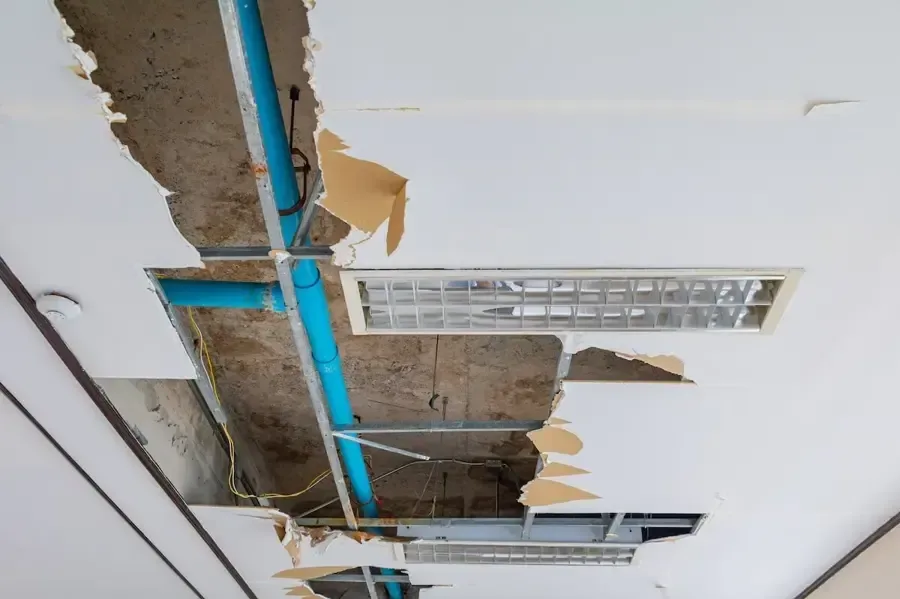
The essentials of burst pipe water damage
Connected cavity checks
A pipe break survey includes surrounding partitions and floor junctions, tracing released water beyond the opening used for plumbing repair.
Overhead protection
The work boundary accounts for ceiling stability and wet fixtures before equipment or occupants move beneath the affected assembly.
Practical source coordination
Repair access and interior removal are arranged together so newly exposed materials receive attention while surrounding dry finishes remain protected.
Documented remaining repairs
The handoff separates repaired plumbing, completed drying and finish replacement, making the next construction tasks easier for an owner to schedule.
What to do after burst pipe water damage
- Isolate an accessible supply
A reachable valve can limit the release from a dry position. Avoid crossing pooled water or touching wet electrical equipment to reach the control.
- Avoid the damaged ceiling
Keep occupants away from sagging overhead finishes. Even when dripping slows, trapped water and weakened material above the room require a protected inspection before normal access resumes.
- Describe connected rooms
Identify spaces sharing the wet partition or floor. Those connections help the assessment trace concealed spread beyond the opening needed for plumbing repair.
- Retain the repair details
Save safe photographs and the plumbing repair description. Together they explain the source, original interior damage and areas exposed during the repair work.
What does burst pipe water damage cost in Valencia, CA?
Burst pipe recovery in Valencia depends on the path of released water, cavity access and damaged finishes. The planning ranges below increase as affected assemblies extend through adjoining rooms or across multiple interior levels.
One contained space
$1,000 to $2,500
- Localized extraction work
- Accessible wall edges
- Limited drying setup
Walls and adjoining rooms
$2,500 to $6,000
- Connected cavity inspection
- Expanded material access
- Multiple room readings
Multiple affected levels
$6,000 to $12,000
- Overhead assembly assessment
- Protected debris removal
- Broader drying coordination
Category, wet square footage, material class and delay before drying affect the scope. These are typical ranges, not a quote. Compare inputs in the water damage cost calculator.
How burst pipe water damage progresses
Confirm source control and safety
The inspection establishes whether water continues to escape and whether electrical or overhead hazards restrict entry. Plumbing repair access is considered alongside the route needed for interior cleanup equipment.
Survey the release pathway
Measurements and visible conditions connect wet rooms, cavities and floor edges. A recorded moisture boundary gives the owner a practical explanation of why particular assemblies belong in the recovery scope.
Expose and dry retained materials
Damaged layers and obstructing finishes receive a reasoned removal decision. Airflow and moisture collection then address exposed retained materials, with additional access considered where trapped water prevents useful drying progress.
Check the repaired and dried areas
Final records distinguish the plumbing repair from the completed interior work. Any remaining finish replacement is identified so rebuilding can proceed with a clear understanding of the retained assembly's condition.
The sound of escaping water may stop as soon as a supply valve closes, but absorbed water remains in the building. A Valencia pipe break assessment should trace that released water separately from the plumbing fault. Westridge construction began in 1998, while Mission Village belongs to a later development expansion. At either location, the inspection needs the actual pipe access, interior layout and visible damage before decisions about opening finishes.
Source control changes the urgency, not the damage boundary
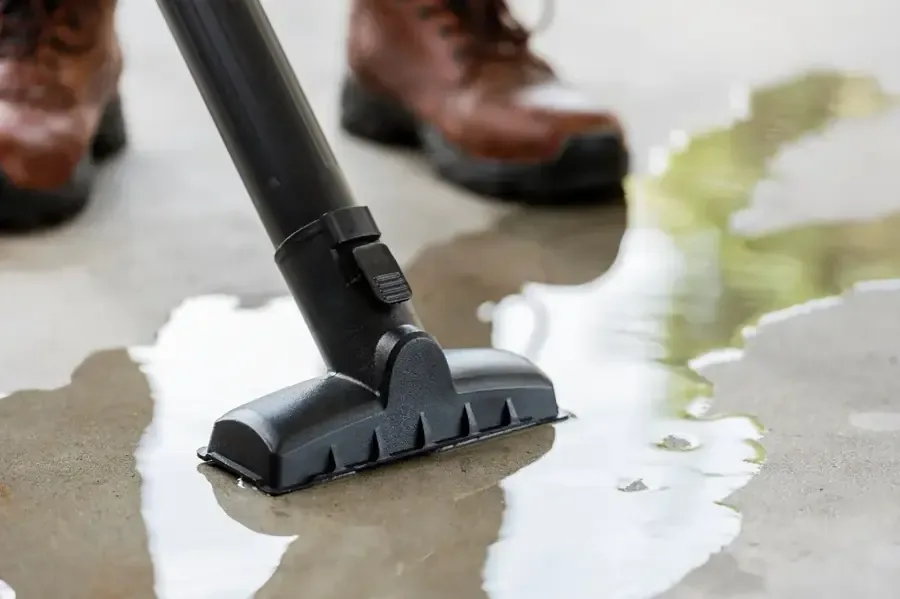
Closing a reachable supply control from a dry position can stop additional water. A plumbing professional still needs to establish the fault and repair approach. Meanwhile, pooled water can continue entering floor edges and lower wall materials. Extraction work addresses that accessible water while the interior assessment records where moisture has already traveled.
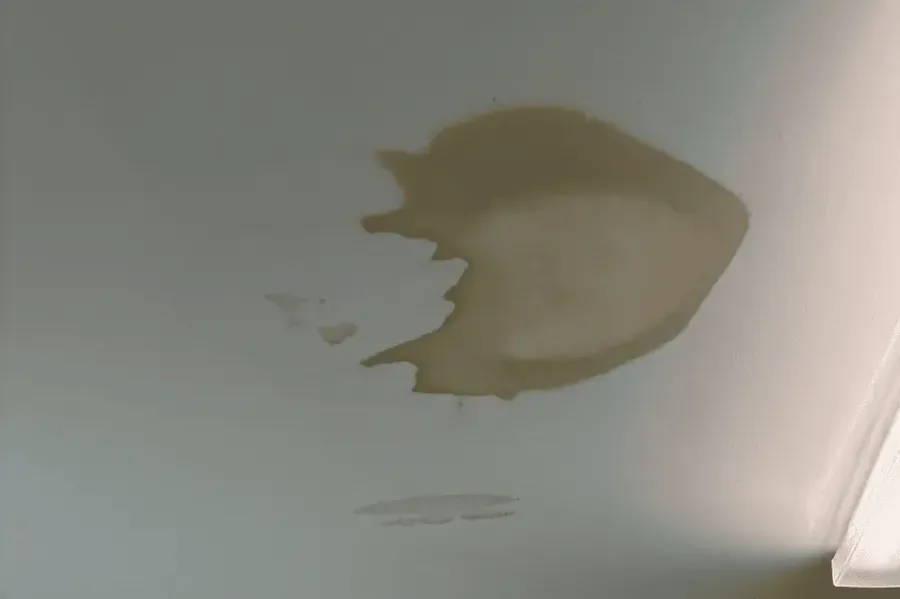
Ceiling cavities deserve particular care when a break occurs overhead. Water can collect above a panel, follow framing or emerge through an opening away from the damaged pipe. Keep people out from beneath sagging material. Access should be planned so inspection does not expose occupants to falling debris or electrical hazards.
Trace the release through connected materials
The most obvious wet area is a starting point. A spray inside a wall can affect insulation, framing and both sides of a partition. Water at the base may pass under flooring into the next room. Room labels and photographs make those connections clear and support a scope that explains why work extends beyond the repaired pipe.
- Check both faces of an affected partition where access allows a meaningful comparison.
- Evaluate flooring at doorways rather than stopping measurements at the visible puddle.
- Record wet insulation and finish damage exposed during the plumbing access work.
- Protect dry storage and furnishings before opening a cavity containing retained water.
After the supply is isolated, the remaining task is to locate the water held inside the building. Describe the pipe access, wet rooms and any ceiling damage to arrange an interior recovery assessment.
(888) 774-9605Assess the pipe break aftermathCoordinate the work around a usable access route
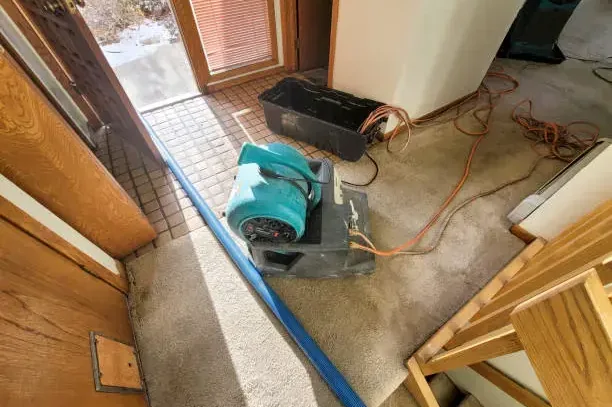
The Old Road helps locate properties around the Entrada projects. Inside the building, a dry entrance and protected equipment path matter more to recovery than the nearest corridor. Occupied rooms, closets and fixed furnishings may need a staged approach so wet materials become accessible without unnecessary disturbance elsewhere.
The handoff after structural drying should identify the repaired source, the condition of retained assemblies and the finishes still requiring replacement. Keeping those items distinct makes it easier to schedule reconstruction after moisture checks support closing the opened spaces.
Safe access comes first
The response team keeps people away from wet electrical equipment and unstable ceilings. Occupants avoid entering contaminated water or disturbing soaked materials. Source isolation and safe access come before fans, cleaning or demolition, and the restoration assessment records those limits before work starts.
Burst pipe water damage around Valencia
Pipe break assessments extend through Valencia residential areas such as Westridge and Mission Village, with practical access planned around affected rooms and the plumbing repair.
The same service nearby: burst pipe water damage in Newhall, Stevenson Ranch, Castaic.
Related water damage services in Valencia
Burst Pipe Water Damage questions in Valencia, CA
Questions before work begins
After the supply is isolated, the remaining task is to locate the water held inside the building. Describe the pipe access, wet rooms and any ceiling damage to arrange an interior recovery assessment.
(888) 774-9605Assess the pipe break aftermathDoes the pipe need repair before cleanup starts?
Source control and cleanup should be coordinated. Accessible water may need removal promptly, but continued release can undo that work. The assessment should establish whether the supply is isolated and how the plumbing repair will affect interior access.
Why inspect the other side of a wet wall?
A concealed pipe release may wet both faces of a partition and the cavity between them. Comparing accessible surfaces helps establish the damage boundary. One visible stain should not be the only basis for deciding which materials need attention.
Can the repaired wall be patched immediately?
An opened wall needs evaluation of retained moisture before closure. Wet framing, insulation or adjoining finishes can remain after the plumber finishes. Drying records help establish when the assembly is ready for the repair trade to replace the surface.
What if the water came from overhead?
Keep the area below damaged ceiling material clear, especially if it is sagging or changing shape. The assessment should address trapped water and electrical contact before anyone opens the cavity or places equipment beneath it.
Will the whole room require demolition?
Removal follows material condition and access needs. A focused opening may be enough in one assembly, while another needs broader removal because water spread behind finishes. The scope should explain the reason for each proposed opening.
Which records connect the leak with the cleanup?
Photographs, the plumbing repair description and room based moisture notes make the sequence understandable. They show the original release area, the materials affected and the remaining repair needs after extraction and drying have been completed.
Follow released water beyond the repaired fitting
An organized scope connects extraction, cavity access and drying with the finish repairs that remain after source control.
(888) 774-9605Check affected walls and floors