Ceiling Leak Water Damage in Valencia
Dripping or swollen ceiling material needs a protected area below it. An assessment coordinates access above the room, identifies the source and evaluates the concealed layers before drying or finish replacement.
(888) 774-9605Discuss the changing ceiling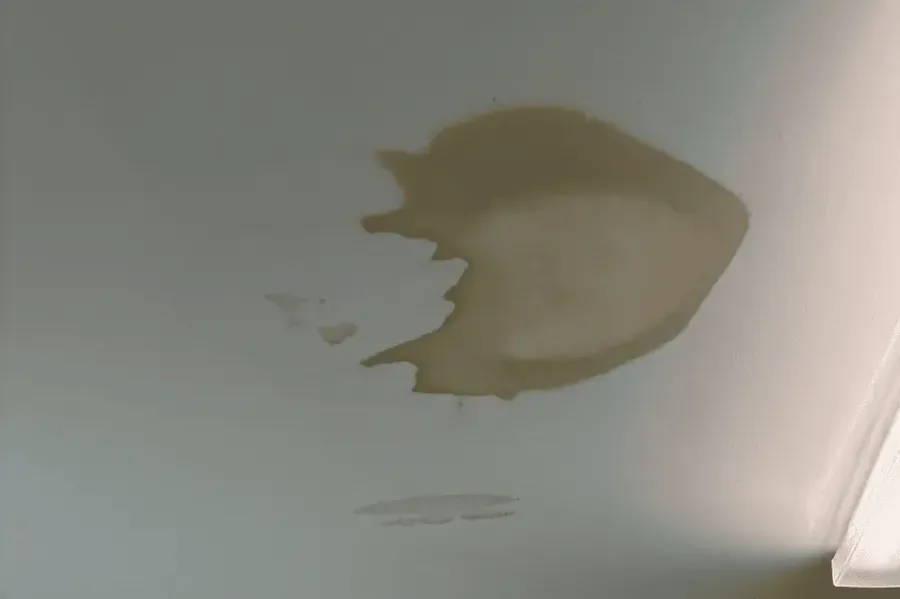
The essentials of ceiling leak water damage
Upper space access
Source inspection is coordinated with the person controlling the room above, keeping separate occupants connected to the same repair sequence.
Controlled opening decisions
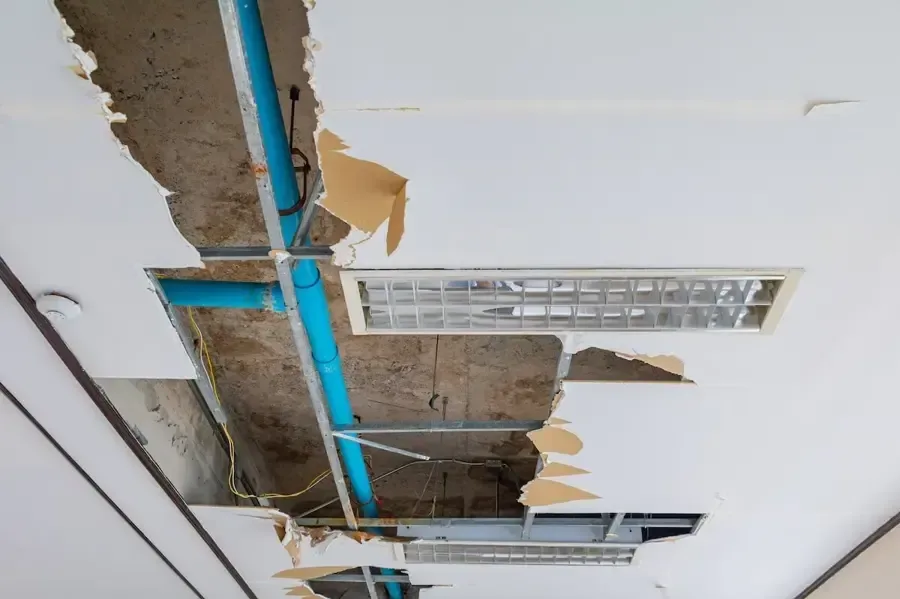
Ceiling shape and fixture contact inform inspection access before damaged board is disturbed or collected water is released overhead.
Connected wall inspection
The survey follows ceiling moisture into adjoining wall junctions, allowing the removal scope to reflect concealed spread between building assemblies.
Accessible closing checks
Inspection points remain available while retained materials dry, supporting a clear handoff before new ceiling finishes hide the cavity.
What to do after ceiling leak water damage
- Clear the floor below
Keep occupants away from bowed ceiling material, including when dripping slows. Avoid reaching beneath the damaged area to place containers or retrieve nearby belongings.
- Coordinate access above
Identify who controls the upper room when applicable. Source investigation needs access to that space as well as the damaged ceiling and adjoining interior walls.
- Photograph visible changes safely
Capture spreading stains from outside the restricted area. Leave wet lights and fittings untouched while overhead stability and possible electrical contact receive assessment.
- Explain contents beneath the work
Describe furniture or stock that could obstruct ceiling access. Protected floor space is needed to inspect the cavity and handle damaged finishes without exposing dry belongings.
What does ceiling leak water damage cost in Valencia, CA?
Ceiling leak recovery in Valencia depends on cavity access, unstable finishes and spread into adjoining walls. These ranges describe interior assessment and recovery at different extents, with source plumbing or roof work scoped separately.
One limited cavity
$1,000 to $2,500
- Protected inspection opening
- Localized moisture assessment
- Limited finish removal
Several connected bays
$2,500 to $5,000
- Broader overhead access
- Additional insulation decisions
- Connected framing checks
Ceiling and adjacent walls
$5,000 to $8,500
- Vertical spread inspection
- Expanded room protection
- Multiple assembly drying
Category, wet square footage, material class and delay before drying affect the scope. These are typical ranges, not a quote. Compare inputs in the water damage cost calculator.
How ceiling leak water damage progresses
Establish safe overhead conditions
The initial assessment considers ceiling shape, fixture contact and source access. The floor below stays protected while the property owner coordinates source investigation with a safe inspection opening into the cavity.
Survey the cavity and connected walls
Inspection follows visible changes into accessible concealed layers. Readings and photographs describe the extent across ceiling bays and down wall junctions so the removal scope reflects the water path through the assembly.
Expose materials that can remain
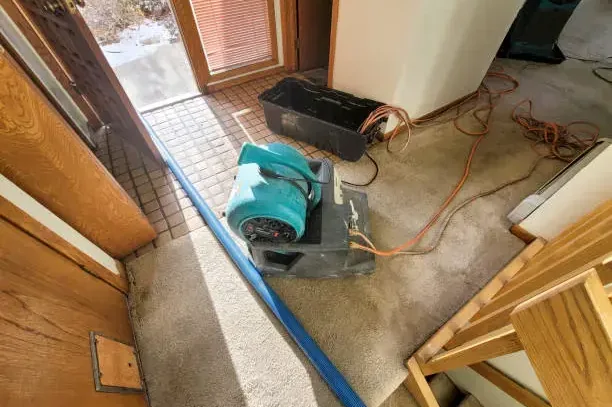
Unsuitable finishes and obstructing layers receive a clear handling decision. Retained framing and other appropriate materials are exposed for drying, with equipment placement coordinated around protected floor space and the room's access requirements.
Document readiness for the new finish
Repeated checks establish progress in the retained overhead assembly. The closing record gives the repair trade material condition information and identifies any unresolved source work before new ceiling board hides the cavity again.
A ceiling leak creates a coordination problem as well as a wet surface: the source may be in a room that has a different occupant or access arrangement. In Valencia, Entrada North includes planned multi family housing around a town center, while Entrada South includes both single family and multi family housing in its plan. For any shared building, reaching the source space is essential to understanding the damage below.
Protect the space before investigating overhead
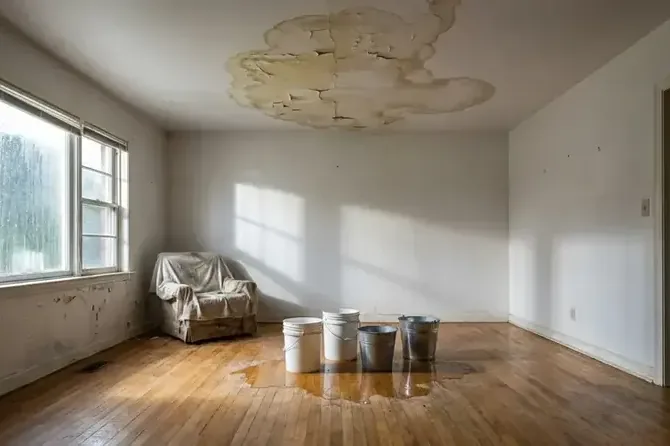
A swollen panel can conceal collected water and weakened material. Occupants should stay out from beneath it, and wet fixtures should remain untouched. Puncturing the finish can release water and debris without controlling the hazard. A planned opening follows an assessment of electrical contact, ceiling stability and the safest way to reach the affected cavity.
Source information helps determine that plan. A room above may contain a fixture, appliance or pipe connection that needs investigation, while a roof leak calls for different access. The person controlling the upper space should coordinate with the interior assessment so a stopped drip is not mistaken for a completed source repair.
Inspect more than the visible circle
Ceiling staining can mark the point where water finally emerged rather than the full wetted area. Moisture can extend along framing, into insulation or down the adjoining wall. Measurements and selective access help identify those connections. The scope should describe which layers are damaged and which can remain after adequate exposure and drying.
- Inspect wall junctions beneath the affected ceiling where water can enter vertical cavities.
- Record loose finish material and changes in shape before the opening is disturbed.
- Identify fixtures that restrict inspection or require separate electrical attention before work proceeds.
- Keep protected access available for later measurements rather than sealing the opening early.
A changing ceiling needs a clear access plan before repairs begin. Describe the shape of the damaged area, wet fixtures and the room above so source investigation and interior recovery can be coordinated.
(888) 774-9605Arrange an overhead damage assessmentCoordinate the repair sequence with occupants
The Entrada projects lie west of The Old Road. That location helps explain community access, while the building's own room arrangement determines how source investigation and ceiling work fit together. In a shared property, access appointments, contents protection and restricted floor space should be understood before removal begins. The owner also needs a clear distinction between source repair and ceiling restoration.
Drying the retained structure follows removal decisions and safe exposure of the wet materials. Closing measurements should cover the assembly being hidden by new board, not just the room's general humidity. A documented handoff then identifies finish replacement, painting and any source work that remains outstanding.
Safe access comes first
Stay clear beneath sagging board. A bulging ceiling can release water and damaged material suddenly. Keep the floor area beneath it unoccupied, avoid wet fixtures and leave opening the cavity to a controlled assessment.
Ceiling leak water damage around Valencia
Ceiling assessments serve Valencia properties, with access planning informed by the affected room, the space above it and any shared building arrangements requiring coordination.
The same service nearby: ceiling leak water damage in Newhall, Stevenson Ranch, Castaic.
Related water damage services in Valencia
Ceiling Leak Water Damage questions in Valencia, CA
Questions before work begins
A changing ceiling needs a clear access plan before repairs begin. Describe the shape of the damaged area, wet fixtures and the room above so source investigation and interior recovery can be coordinated.
(888) 774-9605Arrange an overhead damage assessmentShould a bulging ceiling be drained by an occupant?
No. Opening it can release water and unstable material suddenly, with possible electrical contact in the cavity. The space below should remain clear while a controlled assessment establishes safe access and the appropriate handling of trapped water.
Can a leak come from a neighboring space?
Yes. In a shared building, the source may require access controlled by another occupant or manager. Coordinating that access helps establish the source before the damaged ceiling is repaired and prevents separate work areas from being treated independently.
Why can a stain grow after dripping stops?
Moisture already within the assembly can continue moving through absorbent materials. A growing stain warrants assessment even without active dripping. Measurements and source information help distinguish ongoing entry from water retained in concealed layers.
Does every stained panel need replacement?
Panel condition, stability and the ability to expose wet layers determine the decision. Some damage requires removal, while other areas may remain after assessment. The proposed scope should explain the material condition instead of relying only on stain color.
Is room humidity enough to decide the ceiling is dry?
Room air readings track humidity, while checks inside the ceiling locate moisture in concealed materials. Appropriate measurements of the retained assembly help establish progress and support the decision to close the cavity with new finishes.
What should the owner tell the repair trade?
Provide source repair details, photographs of the opened cavity and the drying record. Identify any areas still requiring attention. That information helps the repair trade plan replacement while keeping unresolved moisture or access concerns visible.
Preserve access for ceiling inspection
Material readings establish the next step after source repair and damaged layer assessment, before new finishes cover the cavity.
(888) 774-9605Discuss ceiling cavity recovery