Castaic Creek and Castaic Lagoon are local water features. At a home where outside water crosses a doorway, the response starts at that opening: active entry, the indoor route and the materials contacted along it. A clear threshold record helps technicians plan removal while the owner keeps people and unaffected belongings away from the wet area.
Key takeaways
- Stay clear of moving outdoor water and wet electrical equipment.
- Photograph the doorway and indoor water edge from a safe position.
- Keep footwear and wet belongings from carrying residue into dry rooms.
- Tell the crew whether water is still crossing the threshold.
- Check the floor assembly and lower wall edges after accessible water is removed.
Capture the doorway before its appearance changes
A wide photograph can show the threshold, adjacent wall and floor immediately inside the entrance. A closer view can record residue or a visible water mark where safe access allows.
Together, those images give the technician a reference when extraction and cleaning change the appearance of the entry area.
The owner can add a short observation about the direction of entry and whether the flow is continuing. A description such as water crossing beneath the door is useful because it identifies an observed route.
The crew can inspect seals, surrounding surfaces and connected wet materials as part of the response.
The water extraction service needs to know whether the room is safe to enter and where equipment can be brought inside. Access may need to use another dry doorway.
That choice should account for the actual conditions outside as well as water already present in the building.
- Photograph the threshold from the dry side when possible.
- Record whether entry continued after discovery.
- Identify a safe alternate entrance if one is available.
- Keep the original images before adding labels or notes.
Describe the outdoor route and indoor contact separately
A state environmental record describes a proposal to retain part of the creek's storm water at the lagoon. Lake Hughes Road and Ridge Route Road appear as cross streets in that record.
For a present household loss, the owner's observations should focus on the water route at the actual building.
Outdoor photographs can show collected debris, visible pooling and the surfaces water crossed before reaching the door. Indoor photographs can show where it spread through the entry, hall or adjoining room.
Keeping those views in separate groups makes the sequence easier to follow during the inspection.
Technicians assess water condition and material contact before selecting handling methods. Water that has crossed outdoor surfaces calls for attention to soil and other contaminants, especially where porous finishes or stored belongings were reached.
The response should account for that contact when deciding what can remain and how it will be cleaned.
- Document visible exterior collection points without entering floodwater.
- Label indoor images by room and doorway.
- Tell the crew about sediment or unusual residue.
- Keep dry contents outside the affected travel route.
Keep the entry from becoming a household traffic path
An entrance often connects the wet area to rooms that are still usable. Shoes, carts and carried boxes can spread residue across that boundary.
The household should use an agreed clean route while the response team establishes the work area and evaluates affected surfaces.
Belongings near the door deserve attention before they are moved. A wet mat, cardboard parcel or upholstered bench can transfer moisture and contamination to a dry room.
The crew can assess handling options while the owner identifies items that need to be photographed and recorded in the contents list.
The work boundary may change as inspection reveals water beneath a floor edge or behind trim. The family should receive an update when a connecting room becomes part of the treatment area.
A visible boundary and a simple explanation are easier to follow than an informal warning that changes between visits.
- Choose a dry route for ordinary household movement.
- Leave wet mats and packaging within the controlled area.
- Identify essential items for safe retrieval by the crew.
- Update the room list when the wet boundary expands.
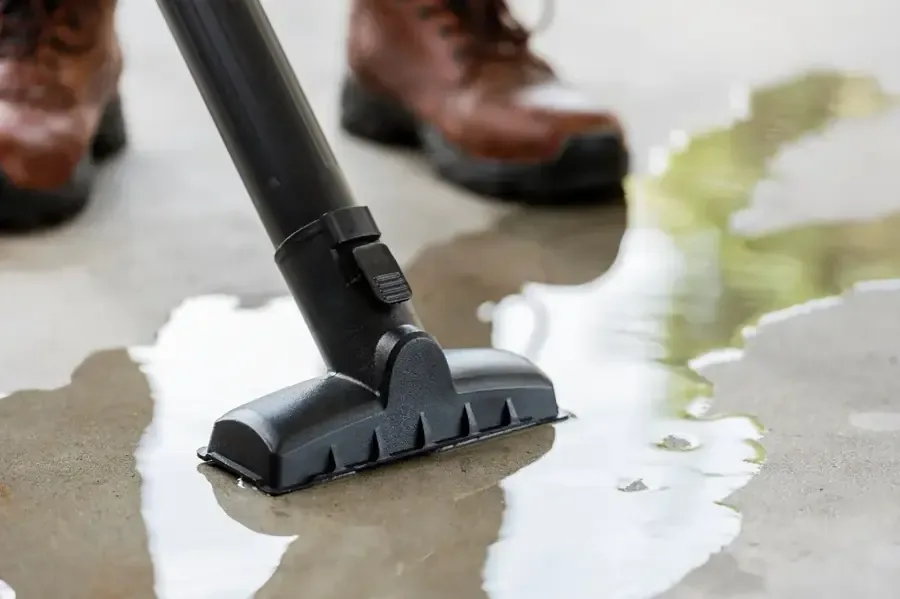
Remove liquid while keeping the floor edges accessible
Extraction removes standing water that equipment can reach, but doorway details and floor transitions can conceal additional moisture. A threshold strip, cabinet toe space or adjoining wall base may need closer inspection.
The crew should explain where access is needed before trim or another finish is disturbed.
As liquid leaves the room, sediment and affected porous material require their own assessment. The storm water cleanup process can involve controlled removal and cleaning before retained assemblies are dried.
A floor that looks clear after extraction still needs examination of the layers and contact conditions.
A removal record should connect each action with its location. If a section of trim is lifted, photographs can show the material behind it and the extent of wetting found there.
Those views help explain the eventual repair scope and preserve information that disappears when the finish is replaced.
- Check flooring joints along the observed water route.
- Keep removed trim identified by its room.
- Photograph concealed wetting as access is created.
- Separate sediment handling from the retained material drying plan.
Follow moisture at the threshold into the assembly
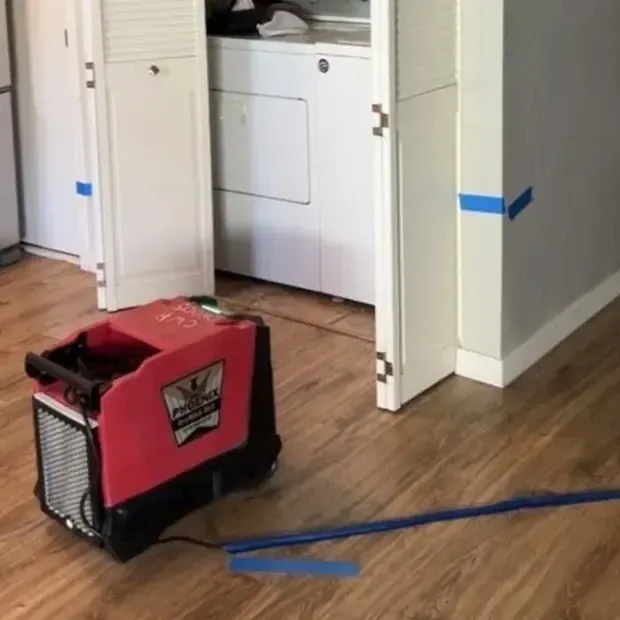
The first visible indoor puddle can leave moisture beneath the floor covering or within the lower wall. Technicians should identify the material they are measuring and return to the same positions during monitoring.
This links the drying record to the actual assemblies that were reached by doorway water.
The structural drying plan should describe which materials remain, where equipment is placed and what will be checked again. Door use may need to be limited while the drying area is controlled.
The household should discuss necessary access with the crew before changing that arrangement.
A slow response at the threshold deserves attention to the entry detail and surrounding layers. Additional inspection can establish whether retained material needs more access or whether water continues to arrive.
A dated note of fresh wetting helps the technician distinguish a new event from the remaining effects of the original entry.
Finish with an entry repair and contents checklist
The cleanup handoff should identify the condition of treated flooring, walls and any retained doorway components. It should also list finish replacement and source related work still required.
A contractor addressing the entry detail needs a clear account of the observed water path and the openings created during mitigation.
Castaic is an unincorporated community in Los Angeles County. Property repair questions should use the actual location and proposed work when directed to the appropriate county contact.
The cleanup file can support those conversations with photographs and a description of the affected assembly rather than an estimated communitywide condition.
The owner can close the contents record by checking where moved items were stored and what remains to be assessed. Dry rooms used temporarily for storage may need to be returned to normal use.
Keeping this final checklist beside the drying record makes the transition back into the home easier to organize.
Questions
Which photograph is most useful before water removal?
A safe view showing the doorway and adjoining floor provides useful context for the entry route. Additional close views can capture residue or material contact. The owner should preserve the original files and avoid entering an unsafe area simply to obtain a clearer picture.
Should wet entry mats be carried to another room?
Their handling should be planned with the response crew because they can carry moisture and residue. Keeping them within the affected boundary helps protect usable rooms. If relocation is needed, the chosen route and destination should suit the material's condition.
Why check beneath a threshold after the puddle is gone?
Water may remain at joints and concealed layers after the open surface has been extracted. Inspection of the entry detail helps identify those pockets. The technician can then decide whether additional access or drying is appropriate for the materials present.
What if water crosses the door again during treatment?
Report the renewed entry and its timing immediately to the responding professionals. The work plan needs to account for an active source before the room can progress toward repair. Fresh photographs taken safely can help identify whether the same opening was involved.