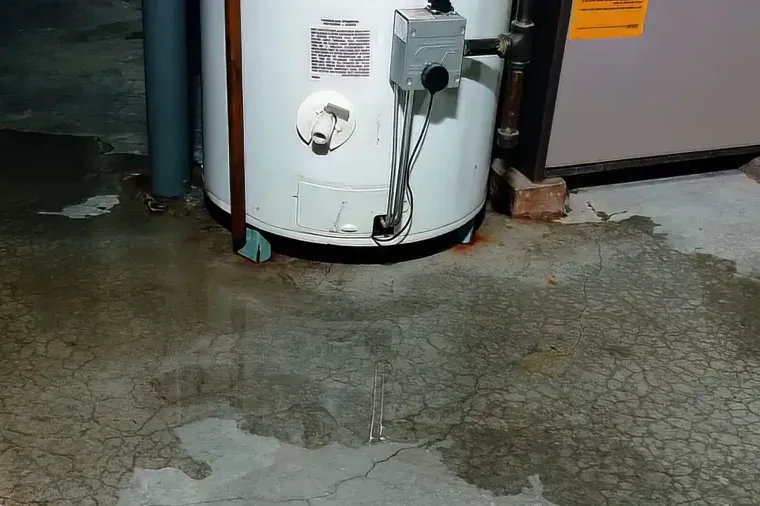
The Santa Clarita Permit Center lists Water Heater Changeout among its residential instant online permit categories. For a leaking heater in Canyon Country, replacement arrangements and wet room recovery need to move together. The installer handles the appliance work while the cleanup team assesses water that reached surrounding flooring, walls and stored belongings.
Key takeaways
- Keep occupants away from a leaking heater and wet electrical components.
- Have the appropriate professional control and diagnose the appliance source.
- Ask the installer to check the current permit process for the proposed changeout.
- Photograph the tank area before removal exposes or changes nearby damage.
- Arrange drying access before a replacement unit covers the affected footprint.
Begin with safe appliance access
A heater release can involve active water, hot surfaces and utility connections in a confined space. The owner should describe the visible conditions without reaching across standing water to operate equipment.
The responding appliance or plumbing professional can determine safe source control and the work needed at the unit.
The first report should identify the heater location and any water reaching adjacent rooms. The owner can also mention stored items that block access or a door that no longer opens normally.
Those details help the crew arrive prepared to inspect both the appliance area and the surrounding building surfaces.
The water heater leak cleanup service focuses on the water that has escaped into the property. The technician needs to know whether the source remains active and when the installer expects to remove the unit.
That coordination helps keep the wet footprint available for inspection.
- Keep people outside the wet appliance area.
- Describe active dripping or pooling from a safe location.
- Identify nearby outlets and other equipment for the professionals.
- Confirm the contact arranging appliance repair or replacement.
Give replacement paperwork its own place
Canyon Country is a community within Santa Clarita, whose Permit Center includes a Water Heater Changeout category. The owner or installer should use the actual property and proposed work when checking the applicable process.
The category gives the replacement conversation a specific municipal starting point.
The permit record should stay with the appliance scope, while the mitigation file describes water removal, affected materials and drying. The documents can reference the same room and job dates without merging their functions.
This helps the homeowner find the right record when the installer or another contractor requests information.
Questions about inspection appointments and completion documents belong with the professional arranging the changeout and the permitting authority. The cleanup team can share photographs of the wet footprint or access conditions when useful.
A short coordination note can record which appointment must happen before the next trade returns.
- Save the replacement scope and related application documents together.
- Use a consistent property and room description across records.
- Record the installer contact and expected access needs.
- Keep any required inspection arrangements visible on the work schedule.
Inspect beyond the tank's outline
Water leaving a heater can reach a wall base, adjacent cabinet or flooring transition before it becomes obvious. The survey should follow the actual route and identify each affected material.
A narrow puddle around the tank can coexist with moisture farther away beneath a finish or behind trim.
Removing stored goods safely can reveal additional wetting at the back of the space. The owner should identify boxes or personal items that need a record before movement.
Technicians can then distinguish contents handling from treatment of the floor and walls around the appliance.
The water extraction work should include accessible liquid in connected areas, with observations recorded as the room clears. Photographs taken after the old unit leaves are especially useful.
They show the footprint and any concealed condition that was difficult to inspect while the tank remained in position.
- Check nearby wall bases and floor edges.
- Record the original position of affected storage boxes.
- Photograph the footprint after safe appliance removal.
- Label any adjoining room reached by the release.
Sequence drying access with installation
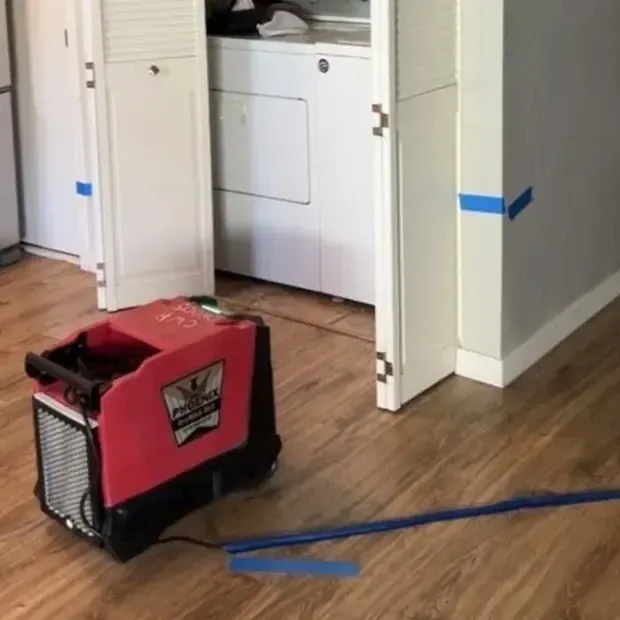
Replacing the appliance and treating the building require a shared plan for the space. The installer should know whether retained flooring or a wall behind the unit still needs evaluation.
The restoration technician should know when installation is planned and which areas will become difficult to reach afterward.
A practical discussion identifies the specific assembly, its condition and the access needed to finish treatment. The professionals can then coordinate the order of work while addressing the household's need for functioning equipment.
The plan should be explained clearly enough that the owner knows who is returning and for what task.
The structural drying record should follow materials around and beneath the former leak area. If a surface remains wet, the next action needs a location and reason.
That detail supports installation planning and prevents a general room status from obscuring a small but important retained layer.
Keep finish choices tied to material condition
A swollen baseboard, damp wall surface and wet floor covering may need different decisions. The technician should describe what can be retained and what requires removal or further assessment.
Each decision should connect to the material's condition, its water contact and the access needed to treat the assembly.
Whites Canyon includes examples of older homes, while Vista Canyon includes contemporary tract housing. For a particular heater loss, the useful repair information comes from the actual floor and wall layers exposed during inspection.
The owner can preserve photographs of those layers for the contractor replacing the finish.
Replacement proposals should identify the area covered by the work and any adjacent finish that must be matched. A clear removal diagram helps the contractor explain that scope.
The owner can compare the proposal with the drying handoff and ask about any difference before the surface is closed or covered.
- Keep removed finishes identified by location and material.
- Photograph exposed layers before they are concealed again.
- Ask for a specific repair scope around the appliance footprint.
- Retain the drying handoff with finish contractor estimates.
Check the complete handoff before filing the job away
At completion, the owner should be able to identify the appliance work performed, the status of any required paperwork and the outcome of treatment in the surrounding room. These records can be stored together while retaining their separate purposes.
The file should also show repairs or inspections that remain outstanding.
The closing walkthrough can follow the original water route from the heater area into adjacent spaces. It should account for moved belongings, retained finishes and openings awaiting repair.
This helps the household avoid overlooking a wet closet edge or a stored item simply because the replacement appliance is operating.
Any fresh water discovered after installation should be reported to the relevant professional with its location and timing. The owner should preserve a new photograph rather than assuming it belongs to the earlier release.
A clear sequence helps the installer and cleanup team decide which followup inspection is needed.
Questions
Where does the local replacement permit question begin?
The municipal Permit Center lists a Water Heater Changeout category for residential work. The installer or owner should check the current application and inspection requirements using the actual property and planned replacement. Those documents should be retained with the appliance job record.
Can a replacement tank hide an area that still needs treatment?
The new unit can limit access to the footprint or a wall behind it. The installer and restoration technician should discuss the condition of those materials before placement. Their agreed sequence should identify any checks that need to occur while the space remains accessible.
Why inspect a room beside the heater area?
Escaped water can cross a doorway or continue along a concealed floor edge. Inspection follows the observed spread and relevant material readings. The adjacent room should have its own entry in the damage record if water reached its surfaces or belongings.
Which documents should the homeowner keep?
Retain the appliance scope, relevant permit and inspection records, source findings, removal photographs and final drying information. Include finish repair invoices when that work is complete. A consistent room description helps future contractors connect those documents with the area repaired.